Inbunden, Engelska, 2027
314 kr
Kommande
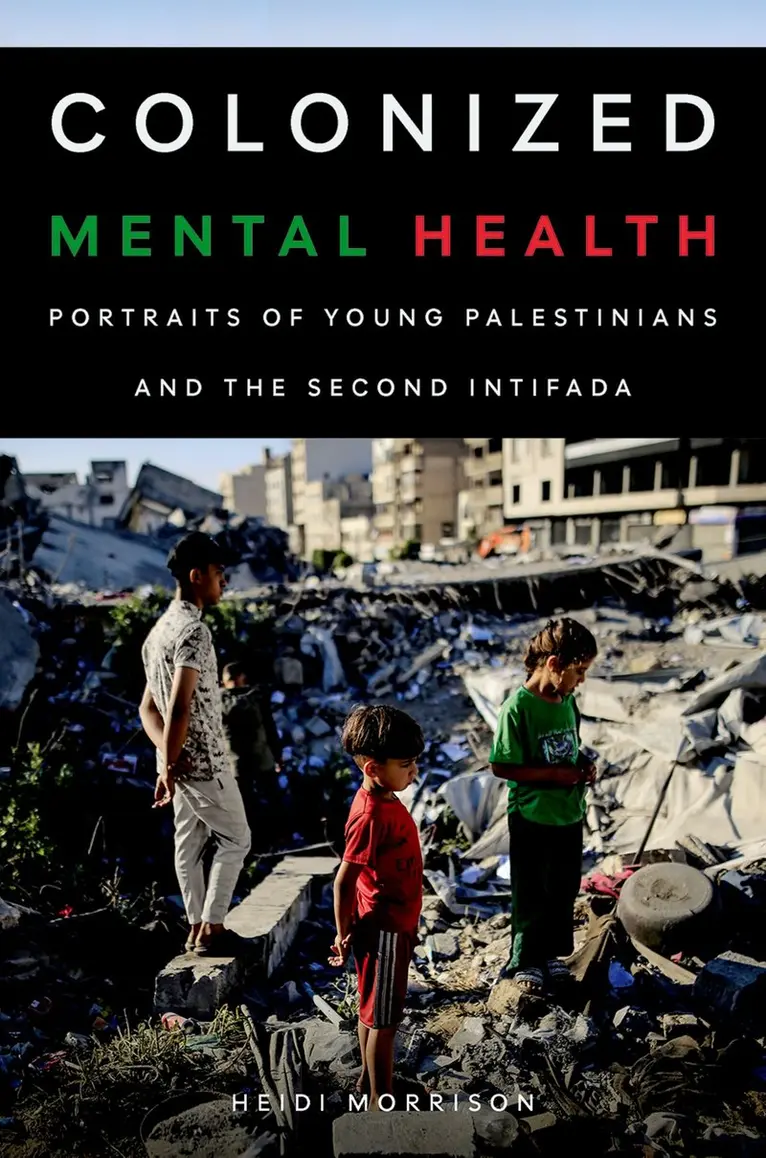
The conventional mental health framework, especially the model of Post-Traumatic Stress Disorder (PTSD), tends to position violence as a past event that continues to impact a person's present mental condition. But what about those who currently live in countries and territories affected by war and conflict, particularly children? Their trauma is ongoing and cannot be accurately summarized with a "post" diagnosis. In Colonized Mental Health, Heidi Morrison challenges conventional understandings of trauma through the stories of eleven young Palestinians who grew up during the Second Intifada, a period of intensified Israeli violence against Palestinians who staged an uprising against Israel's decades-long illegal occupation of their land. Drawing on nearly a decade of oral history interviews, Morrison presents vivid portraits of individuals whose childhoods were shaped by war, military occupation, colonialism, loss, and uncertainty. Their experiences raise urgent questions about how mental health is understood and treated in a world where one in five children are living in or fleeing conflict zones. Rather than reducing suffering to medical symptoms alone, Morrison explores how trauma is intertwined with politics, history, family, community, and the struggle for dignity. Unforgettable life stories, including those from a lawyer who survived the demolition of her family home, a former child prisoner derailed from finishing high school, and a mother struggling to protect her children, show readers how in these contexts mental health is often wrongly treated as a humanitarian condition that simply needs aid or a biomedical condition to pathologize. Instead, Morrison exhorts us to finally listen to the spoken needs of Palestinians and raises critical questions about the universal application of western psychiatric categories. Blending personal testimony with conceptual critique, Colonized Mental Health humanizes debates about trauma and mental health and calls for the decolonization of knowledge production.