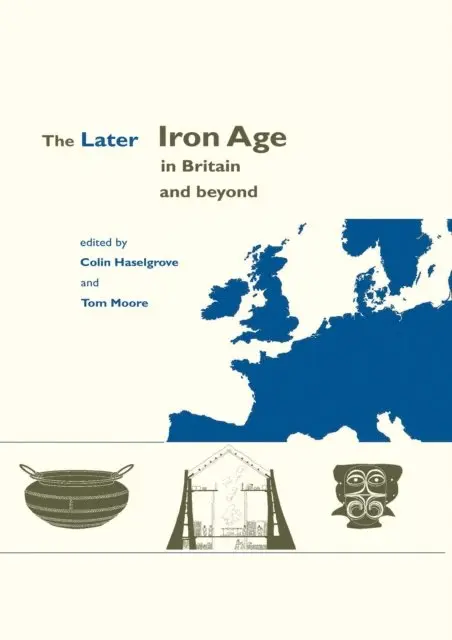
The nature and causes of the transformation in settlement, social structure, and material culture that occurred in Britain during the Later Iron Age (c. 400-300 BC to the Roman conquest) have long been a focus of research. In the past, however, there was a tendency for attention to be directed mostly to southern England and the increased manifestations of Gaulish and Roman influence apparent there towards the end of this period. For the most part, developments in other regions were assumed to be secondary in character and of relatively little significance. Thanks to new work, this viewpoint can no longer be sustained. Throughout Britain, the extent and vitality of the social changes taking place during the later first millennium BC is becoming more apparent, as is the long-term character of many of the processes involved. The time is ripe therefore for new narratives of the Later Iron Age to be created, drawing on the burgeoning material from developer-funded archaeology and the Portable Antiquities Scheme, as well as on new methodological and theoretical approaches. The thirty-one papers collected here seek to re-conceptualise our visions of Later Iron Age societies in Britain by examining regions and topics that have received less attention in the past and by breaking down the artificial barriers often erected between artefact analysis and landscape studies. Themes considered include the expansion and enclosure of settlement, production and exchange, agricultural and social complexity, treatment of the dead, material culture and identity, at scales ranging from the household to the supra-regional. At the same time, the inclusion of papers on Ireland, northern France, the Low Countries, Denmark, and Germany allows insular Later Iron Age developments to be placed in a wider geographical context, ensuring that Britain is no longer studied in isolation.
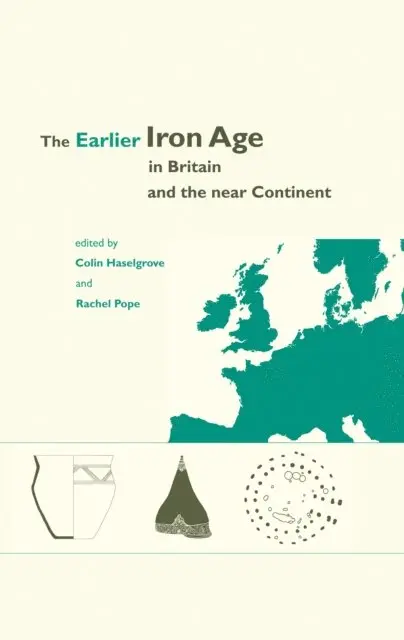
The Earlier Iron Age (c. 800-400 BC) has often eluded attention in British Iron Age studies. Traditionally, we have been enticed by the wealth of material from the later part of the millennium and by developments in southern England in particular, culminating in the arrival of the Romans. The result has been a chronological and geographical imbalance, with the Earlier Iron Age often characterised more by what it lacks than what it comprises: for Bronze Age studies it lacks large quantities of bronze, whilst from the perspective of the Later Iron Age it lacks elaborate enclosure. In contrast, the same period on mainland Europe yields a wealth of burial evidence with links to Mediterranean communities and so has not suffered in quite the same way. Gradual acceptance of this problem over the past decade, along with the corpus of new discoveries produced by developer-funded archaeology, now provides us with an opportunity to create a more balanced picture of the Iron Age in Britain as a whole. The twenty-six papers in the book seek to establish what we now know (and do not know) about Earlier Iron Age communities in Britain and their neighbours on the Continent. The authors engage with a variety of current research themes, seeking to characterise the Earlier Iron Age via the topics of landscape, environment, and agriculture; material culture and everyday life; architecture, settlement, and social organisation; and with the issue of transition - looking at how communities of the Late Bronze Age transform into those of the Earlier Iron Age, and how we understand the social changes of the later first millennium BC. Geographically, the book brings together recent research from regional studies covering the full length of Britain, as well as taking us over to Ireland, across the Channel to France, and then over the North Sea to Denmark, the Low Countries, and beyond.
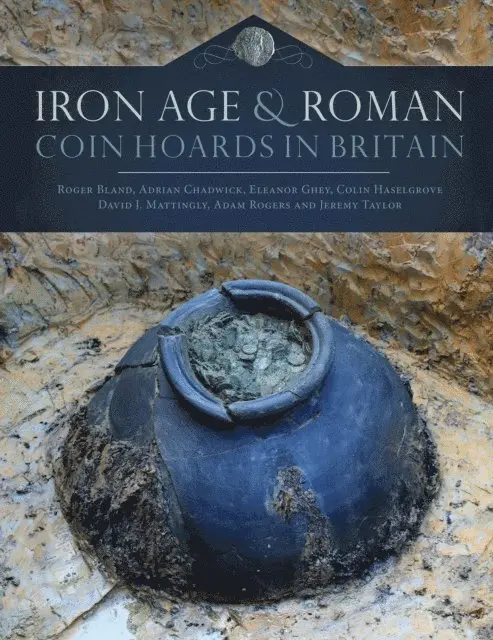
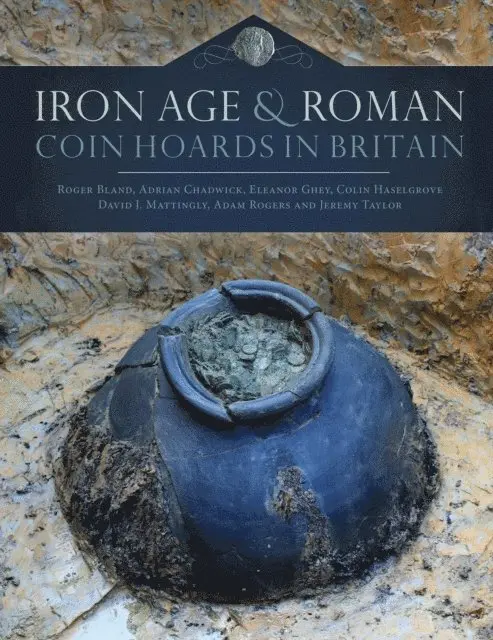
More coin hoards have been recorded from Roman Britain than from any other province of the Empire. This comprehensive and lavishly illustrated volume provides a survey of over 3260 hoards of Iron Age and Roman coins found in England and Wales with a detailed analysis and discussion. Theories of hoarding and deposition and examined, national and regional patterns in the landscape settings of coin hoards presented, together with an analysis of those hoards whose findspots were surveyed and of those hoards found in archaeological excavations. It also includes an unprecedented examination of the containers in which coin hoards were buried and the objects found with them. The patterns of hoarding in Britain from the late 2nd century BC to the 5th century AD are discussed. The volume also provides a survey of Britain in the 3rd century AD, as a peak of over 700 hoards are known from the period from AD 253–296. This has been a particular focus of the project which has been a collaborative research venture between the University of Leicester and the British Museum funded by the AHRC. The aim has been to understand the reasons behind the burial and non-recovery of these finds. A comprehensive online database (https://finds.org.uk/database) underpins the project, which also undertook a comprehensive GIS analysis of all the hoards and field surveys of a sample of them.
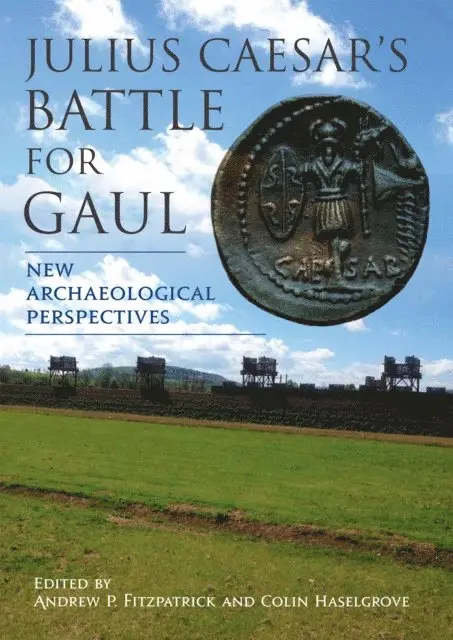
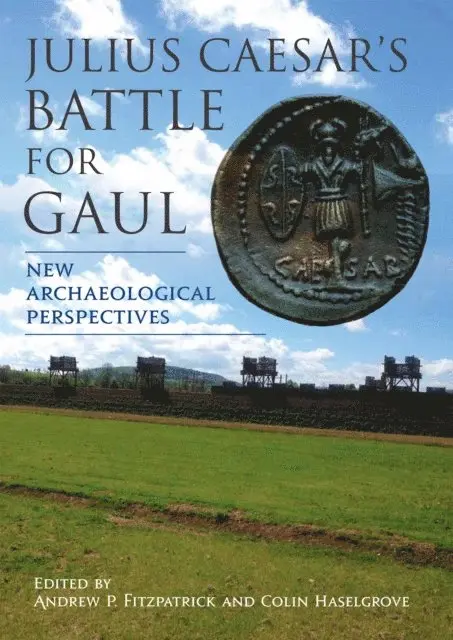
Between 58 and 51 BC Julius Caesar conquered Gaul. He campaigned across much of present day France and the Low Countries, crossed the Rhine to Germany, and sailed the Channel to invade Britain. In doing this he achieved immense personal wealth and glory and the loyalty of a battle-hardened army of veterans. Caesar’s eventual return to Rome began with the crossing of the Rubicon which started a bloody civil war from which he emerged victorious and as dictator.Roman historians have little to say on the consequences of the war on the Iron Age communities of north-west Europe. Their story is told instead by archaeology and numismatics. Huge numbers were involved in the war, at a vast cost in people and wealth. In the aftermath, leaders sympathetic to Rome were installed and sometimes whole peoples were resettled. The diplomatic relations created at this time directly affected the eventual incorporation of these peoples into the Roman Empire.This book presents the latest archaeological research on the Battle for Gaul and its aftermath. Based on an acclaimed 2017 conference, it is the first Europe-wide overview and much of the research is published here in English for the first time. After an introduction to recent trends in historical studies, thematic studies and regional surveys analyse the archaeological and numismatic evidence from across north-west Europe. Comparative evidence for the Roman conquest of Spain is also examined, along with the fundamental role that the study of the Battle for Gaul played in shaping the development of Iron Age archaeology. Written by leading international experts, this book will be of interest to archaeologists, numismatists, ancient historians and military historians.
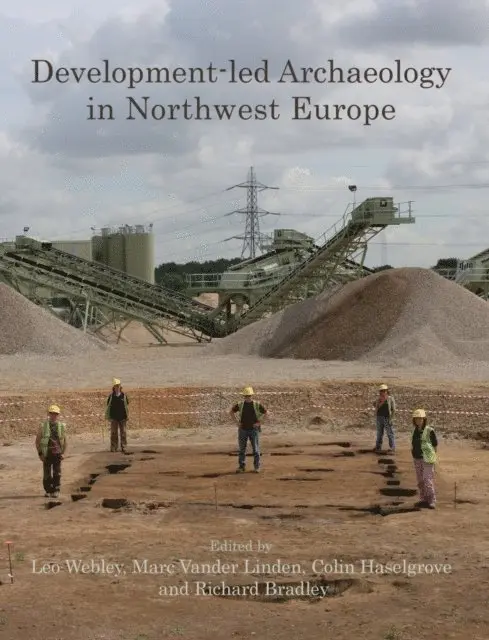
Many countries in northern Europe have seen a huge expansion in development-led archaeology over the past few decades. Legislation, frameworks for heritage management and codes of practice have developed along similar but different lines. The Valetta Convention has had considerable impact on spatial planning and new legislation on archaeological heritage management within EC countries as well as on the funding, nature and distribution of archaeological fieldwork. For the first time these 12 papers bring together data on developer-led archaeology in Britain, Ireland, France, the Low Countries, Germany and Denmark in order to review and evaluate key common issues relating to organisation, practice, legal frameworks and quality management.