2 526 kr
Skickas inom 10-15 vardagar
2 526 kr
Skickas inom 10-15 vardagar
687 kr
Skickas inom 10-15 vardagar
749 kr
Läs direkt efter köp
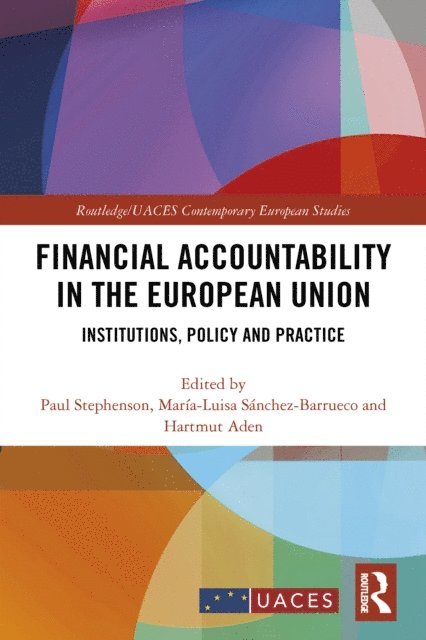
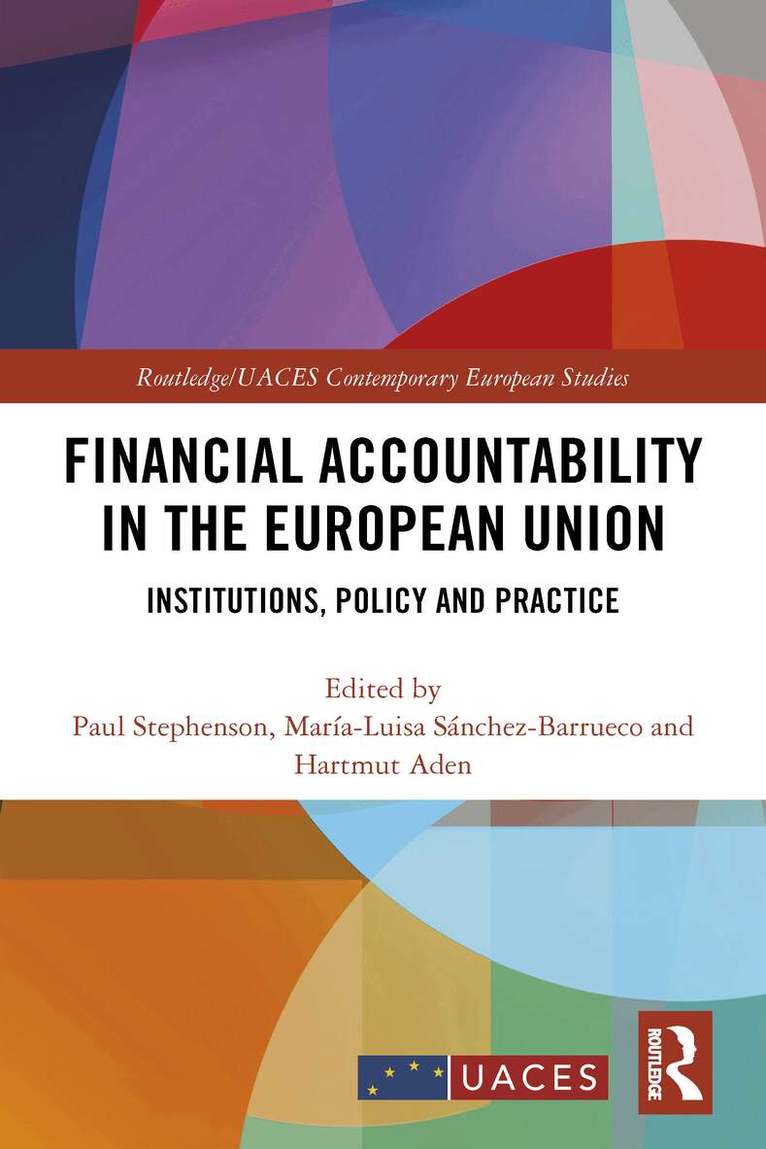
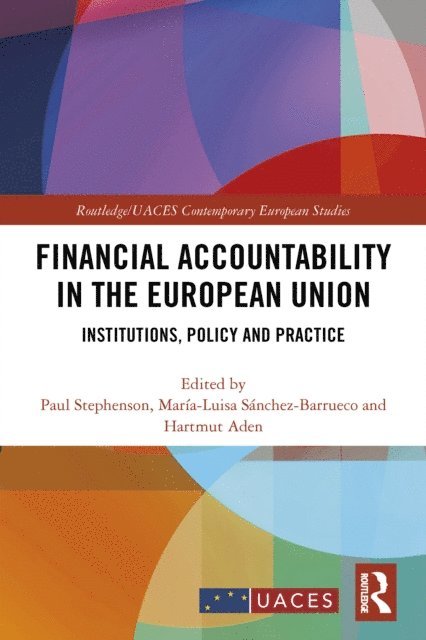
This book offers comprehensive coverage of various aspects of financial accountability around the EU budget – how it is spent via policies, how institutions engage in checking policy performance (what taxpayers’ money actually delivers), and therein, the issues of monitoring, controlling, auditing, scrutinising and communicating budgetary expenditure.
Presenting conceptual and theoretical approaches including financial accountability, learning, multi-level governance, implementation and throughput legitimacy, it looks at EU institutions (European Parliament, European Court of Auditors, European Ombudsman, European Public Prosecutor’s Office) and national bodies (supreme audit institutions at the national level), examining their contact with the EU budget. It details the historical development of accountability mechanisms (the ‘statement of assurance’, financial corrections, and parliamentary oversight by the Budgetary Control Committee (CONT)), and examines policy areas such as those of agriculture, social policy and cohesion (including Structural Funds and the Common Agricultural Policy), exploring the challenges of financial accountability in practice. Given the recent introduction of non-budgetary financial instruments and tools only partly financed by the EU budget, it sheds light on new burgeoning areas such as the European Stability Mechanism (ESM) and the European Fund for Strategic Investment (EFSI) and the challenges they bring for ensuring the accountability of public money.
This book will be of key interest to scholars and students of audit and evaluation, budgetary spending and financial control and, more broadly, public administration, public policy and EU institutions and politics.
749 kr
Läs direkt efter köp
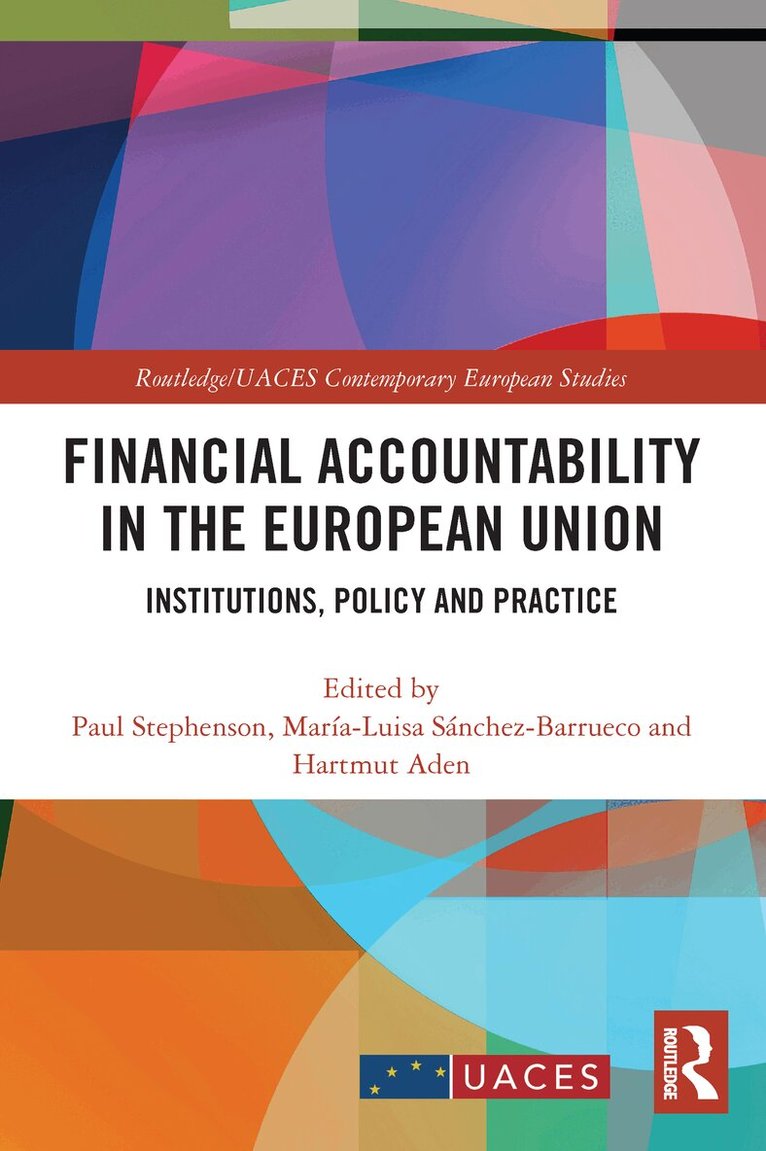
This book offers comprehensive coverage of various aspects of financial accountability around the EU budget – how it is spent via policies, how institutions engage in checking policy performance (what taxpayers’ money actually delivers), and therein, the issues of monitoring, controlling, auditing, scrutinising and communicating budgetary expenditure.
Presenting conceptual and theoretical approaches including financial accountability, learning, multi-level governance, implementation and throughput legitimacy, it looks at EU institutions (European Parliament, European Court of Auditors, European Ombudsman, European Public Prosecutor’s Office) and national bodies (supreme audit institutions at the national level), examining their contact with the EU budget. It details the historical development of accountability mechanisms (the ‘statement of assurance’, financial corrections, and parliamentary oversight by the Budgetary Control Committee (CONT)), and examines policy areas such as those of agriculture, social policy and cohesion (including Structural Funds and the Common Agricultural Policy), exploring the challenges of financial accountability in practice. Given the recent introduction of non-budgetary financial instruments and tools only partly financed by the EU budget, it sheds light on new burgeoning areas such as the European Stability Mechanism (ESM) and the European Fund for Strategic Investment (EFSI) and the challenges they bring for ensuring the accountability of public money.
This book will be of key interest to scholars and students of audit and evaluation, budgetary spending and financial control and, more broadly, public administration, public policy and EU institutions and politics.
2 324 kr
Skickas inom 10-15 vardagar
2 282 kr
Läs direkt efter köp
2 282 kr
Läs direkt efter köp
1 968 kr
Skickas inom 7-10 vardagar
399 kr
Läs direkt efter köp
492 kr
Läs direkt efter köp
453 kr
Skickas inom 3-6 vardagar
443 kr
Läs direkt efter köp
564 kr
Skickas inom 10-15 vardagar
238 kr
Skickas inom 10-15 vardagar
136 kr
Läs direkt efter köp
617 kr
Skickas inom 10-15 vardagar
714 kr
Läs direkt efter köp
433 kr
Skickas inom 3-6 vardagar