Harriet Scott Chessman’s Ohio Angels is an intimate and a lyrical story about friendship and family struggles. Hallie, a painter who now lives in Brooklyn, returns to her family home in Ohio, where she unearths a secret about her parents. Her discovery sheds light on her mother’s depression, which shadowed her own childhood, and helps her understand her own inability to have children. In her hometown, Hallie reconnects with a beloved childhood friend, Rose, who is now a writer and pregnant with her third child. Chessman beautifully evokes the childhood memories of the two friends, illuminating their very different lives. As in Lydia Cassatt Reading the Morning Paper, Chessman’s compassionate and perceptive gaze reveals an entire new world for us—one that is subtle, alive, and deeply honest.
Harriet Scott Chessman’s Ohio Angels is an intimate and a lyrical story about friendship and family struggles. Hallie, a painter who now lives in Brooklyn, returns to her family home in Ohio, where she unearths a secret about her parents. Her discovery sheds light on her mother’s depression, which shadowed her own childhood, and helps her understand her own inability to have children. In her hometown, Hallie reconnects with a beloved childhood friend, Rose, who is now a writer and pregnant with her third child. Chessman beautifully evokes the childhood memories of the two friends, illuminating their very different lives. As in Lydia Cassatt Reading the Morning Paper, Chessman’s compassionate and perceptive gaze reveals an entire new world for us—one that is subtle, alive, and deeply honest.
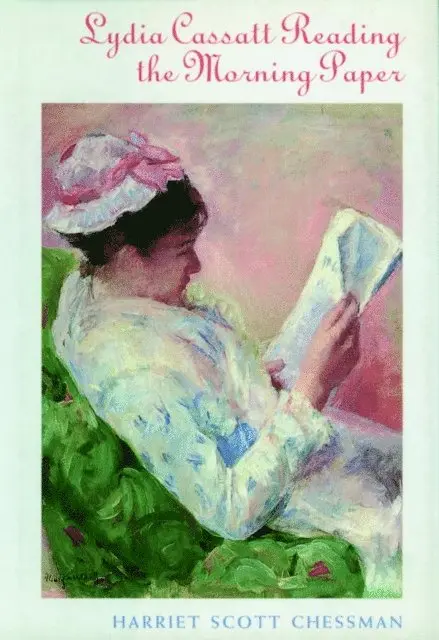
Harriet Scott Chessman takes us into the world of Mary Cassatt''s early Impressionist paintings through Mary''s sister Lydia, whom the author sees as Cassatt’s most inspiring muse. Chessman hauntingly brings to life Paris in 1880, with its thriving art world. The novel’s subtle power rises out of a sustained inquiry into art’s relation to the ragged world of desire and mortality. Ill with Bright’s disease and conscious of her approaching death, Lydia contemplates her world narrowing. With the rising emotional tension between the loving sisters, between one who sees and one who is seen, Lydia asks moving questions about love and art’s capacity to remember. Chessman illuminates Cassatt’s brilliant paintings and creates a compelling portrait of the brave and memorable model who inhabits them with such grace. Lydia Cassatt Reading the Morning Paper includes five full-color plates, the entire group of paintings Mary Cassatt made of her sister.