

Häftad, Engelska
329 kr
Skickas inom 3-6 vardagar
329 kr
Skickas inom 3-6 vardagar

255 kr
Skickas inom 7-10 vardagar

124 kr
Skickas inom 7-10 vardagar

2 843 kr
Skickas inom 10-15 vardagar
852 kr
Skickas inom 10-15 vardagar

692 kr
Skickas inom 10-15 vardagar
967 kr
Läs direkt efter köp
992 kr
Läs direkt efter köp
2 761 kr
Skickas inom 10-15 vardagar
814 kr
Läs direkt efter köp
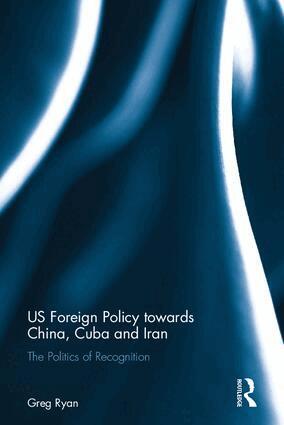
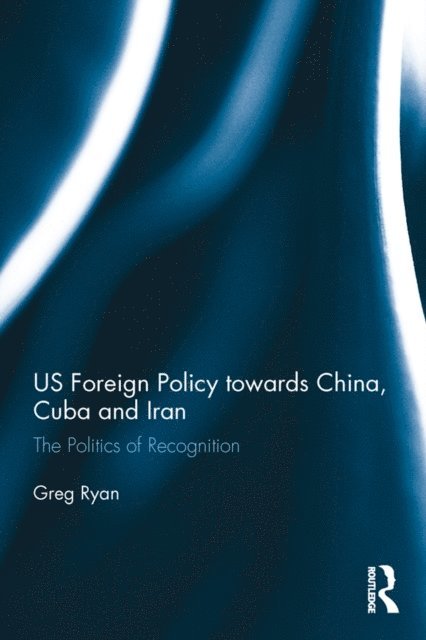
Historically, the United States saw itself as embodying the best system of government with a foreign policy goal of bringing this system to the rest of the world. While Washington has, at times, dealt more realistically with other great powers at odds with this view, it has also attempted to alienate lesser states who reject the American system. The policies of non-recognition of China, Cuba and Iran were marked instances of this phenomenon. As the Obama administration renewed ties with Cuba and contemplated a more cooperative relationship with Iran, staunch opposition arose in defence of maintaining the long-standing policy of disengagement with these regimes.
Providing a timely explanation for the origins of and continued support for US policies of non-recognition toward China, Cuba and Iran, this book demonstrates the links between IR theory and US foreign policy through the lens of the English School concept of International Society. It identifies historic costs stemming from US policies of non-recognition, and cautions that maintaining an overly narrow frame for understanding global politics will cause greater difficulties for US foreign policy in the future.
This book will be useful for American researchers, graduate students and upper-level undergraduates in IR and American Foreign Policy. The inclusion of English School concepts and contrasting of IR theory inside and outside the US should also make it appealing to students in the UK and Australia.
814 kr
Läs direkt efter köp
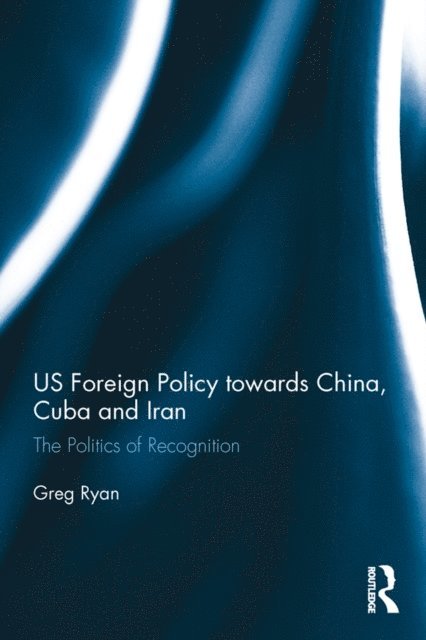
Historically, the United States saw itself as embodying the best system of government with a foreign policy goal of bringing this system to the rest of the world. While Washington has, at times, dealt more realistically with other great powers at odds with this view, it has also attempted to alienate lesser states who reject the American system. The policies of non-recognition of China, Cuba and Iran were marked instances of this phenomenon. As the Obama administration renewed ties with Cuba and contemplated a more cooperative relationship with Iran, staunch opposition arose in defence of maintaining the long-standing policy of disengagement with these regimes.
Providing a timely explanation for the origins of and continued support for US policies of non-recognition toward China, Cuba and Iran, this book demonstrates the links between IR theory and US foreign policy through the lens of the English School concept of International Society. It identifies historic costs stemming from US policies of non-recognition, and cautions that maintaining an overly narrow frame for understanding global politics will cause greater difficulties for US foreign policy in the future.
This book will be useful for American researchers, graduate students and upper-level undergraduates in IR and American Foreign Policy. The inclusion of English School concepts and contrasting of IR theory inside and outside the US should also make it appealing to students in the UK and Australia.

239 kr
Skickas inom 3-6 vardagar

553 kr
Skickas

541 kr
Skickas