919 kr
Skickas inom 10-15 vardagar
919 kr
Skickas inom 10-15 vardagar
887 kr
Skickas inom 10-15 vardagar
4 035 kr
Skickas inom 7-10 vardagar
2 810 kr
Skickas inom 10-15 vardagar
2 184 kr
Skickas inom 10-15 vardagar
2 571 kr
Skickas inom 10-15 vardagar
663 kr
Skickas inom 10-15 vardagar
776 kr
Skickas inom 10-15 vardagar
1 056 kr
Skickas inom 7-10 vardagar
870 kr
Läs direkt efter köp
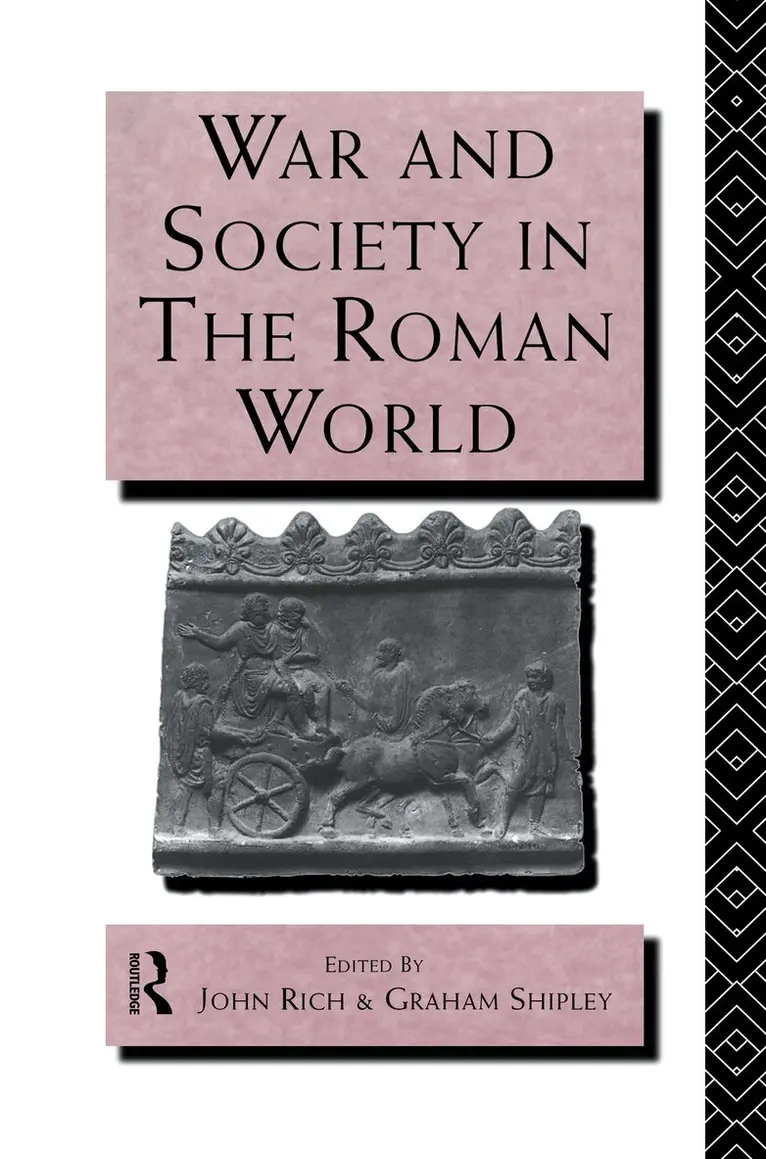
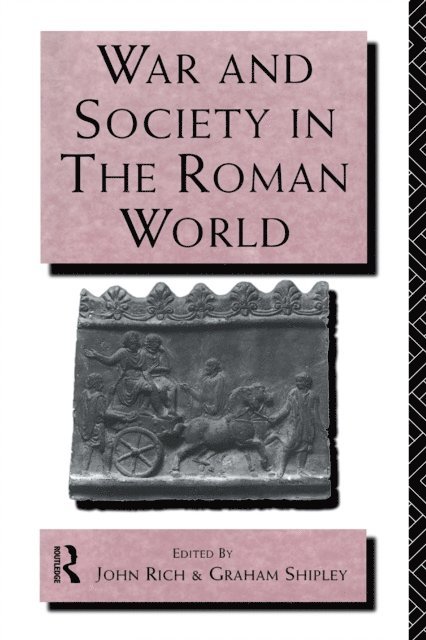
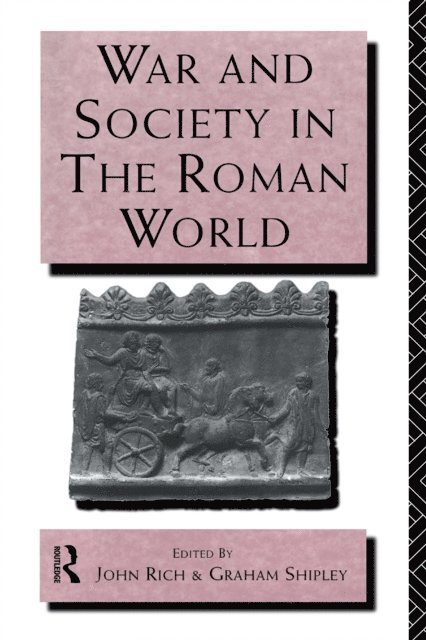
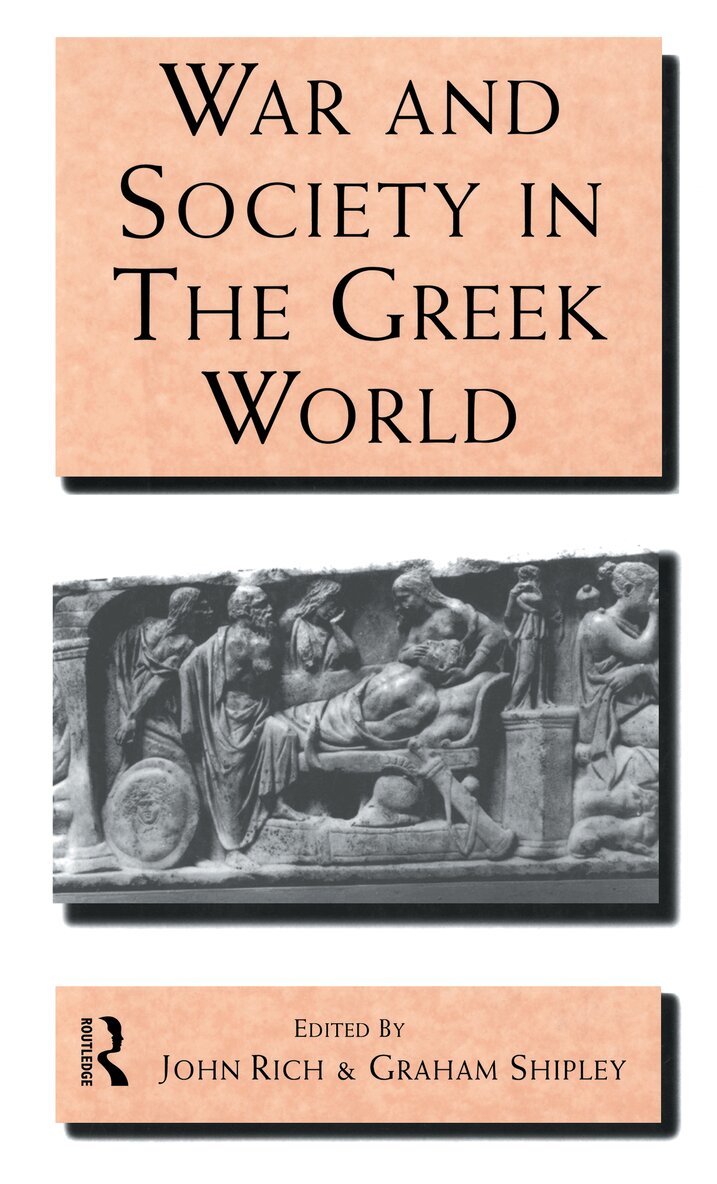
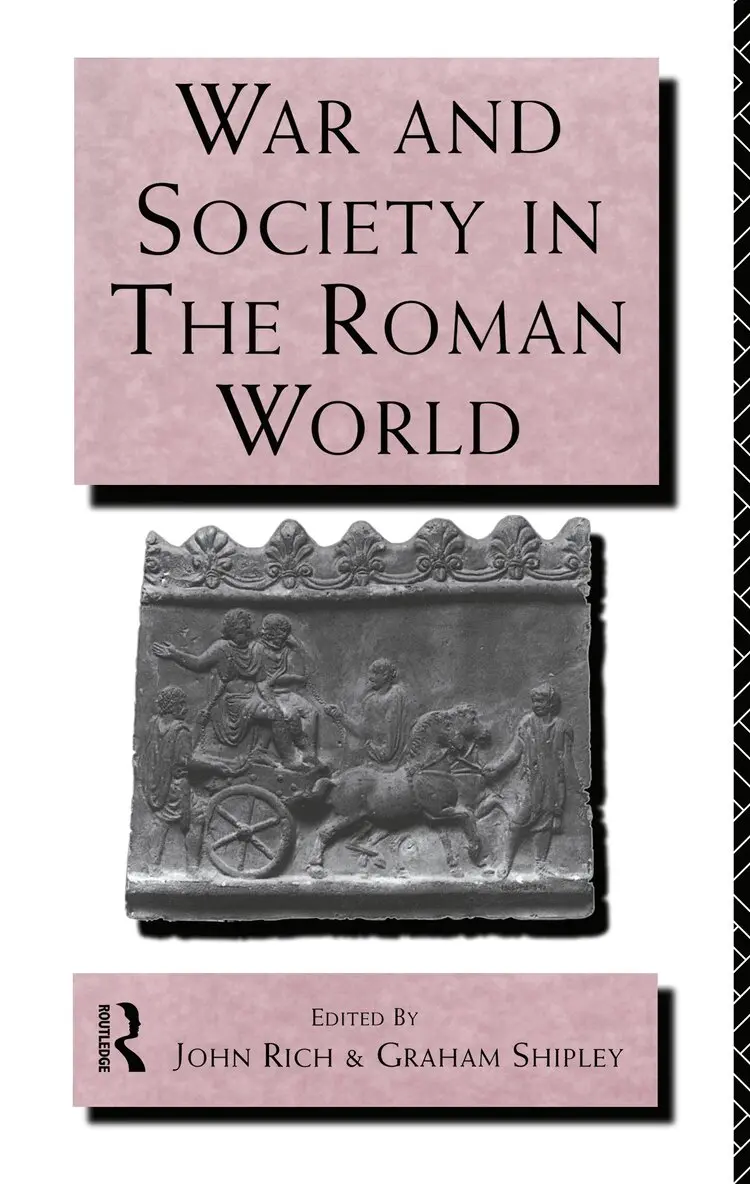
The role of warfare is central to our understanding of the ancient Greek world. In this book and the companion work, War and Society in the Roman World, the wider social context of war is explored. This volume examines its impact on Greek society from Homeric times to the age of Alexander and his successors and discusses the significance of the causes and profits of war, the links between war, piracy and slavery, and trade, and the ideology of warfare in literature and sculpture.
1 099 kr
Läs direkt efter köp
870 kr
Läs direkt efter köp
The role of warfare is central to our understanding of the ancient Greek world. In this book and the companion work, War and Society in the Roman World, the wider social context of war is explored. This volume examines its impact on Greek society from Homeric times to the age of Alexander and his successors and discusses the significance of the causes and profits of war, the links between war, piracy and slavery, and trade, and the ideology of warfare in literature and sculpture.
1 124 kr
Läs direkt efter köp
996 kr
Läs direkt efter köp
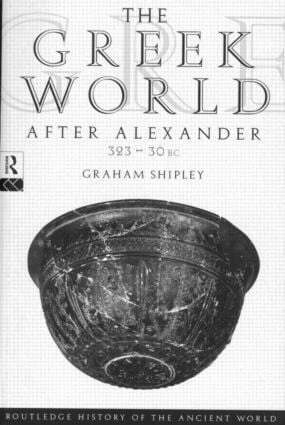
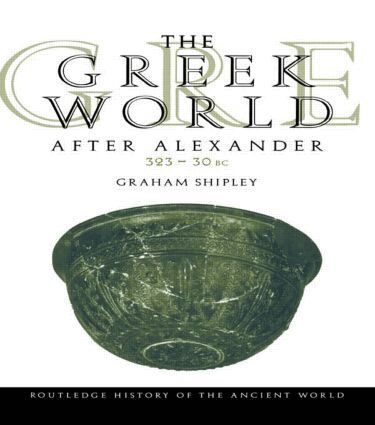
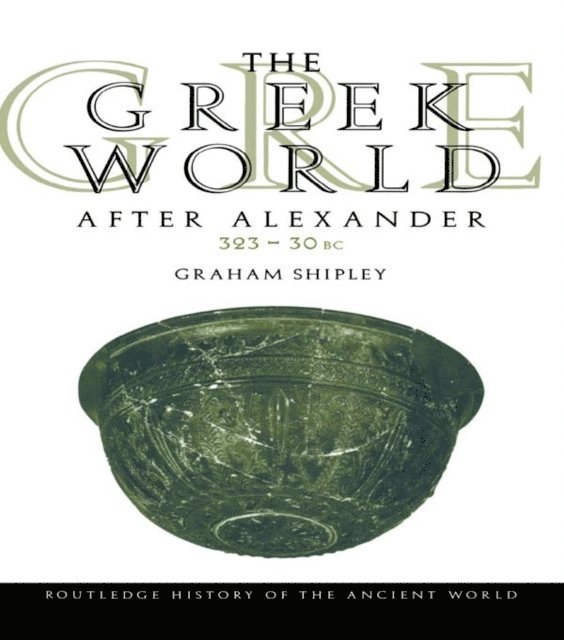
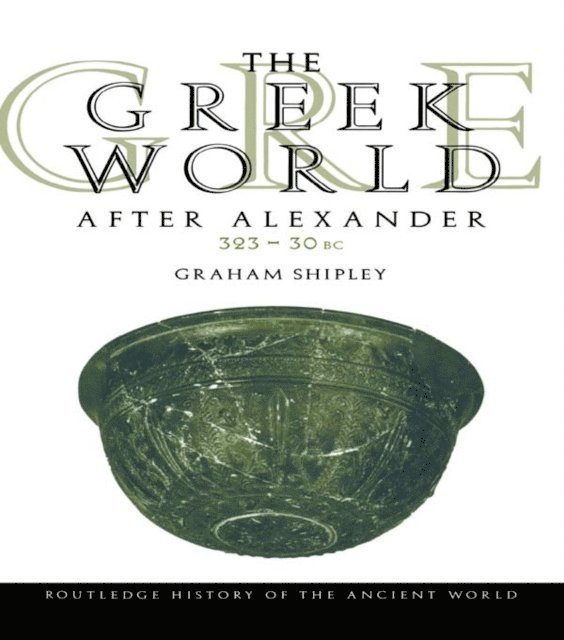
The Greek World After Alexander 323–30 BC examines social changes in the old and new cities of the Greek world and in the new post-Alexandrian kingdoms.
An appraisal of the momentous military and political changes after the era of Alexander, this book considers developments in literature, religion, philosophy, and science, and establishes how far they are presented as radical departures from the culture of Classical Greece or were continuous developments from it.
Graham Shipley explores the culture of the Hellenistic world in the context of the social divisions between an educated elite and a general population at once more mobile and less involved in the political life of the Greek city.

996 kr
Läs direkt efter köp
The Greek World After Alexander 323–30 BC examines social changes in the old and new cities of the Greek world and in the new post-Alexandrian kingdoms.
An appraisal of the momentous military and political changes after the era of Alexander, this book considers developments in literature, religion, philosophy, and science, and establishes how far they are presented as radical departures from the culture of Classical Greece or were continuous developments from it.
Graham Shipley explores the culture of the Hellenistic world in the context of the social divisions between an educated elite and a general population at once more mobile and less involved in the political life of the Greek city.
890 kr
Läs direkt efter köp
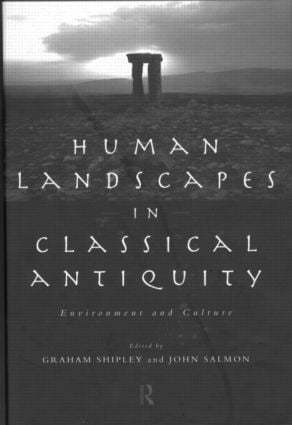
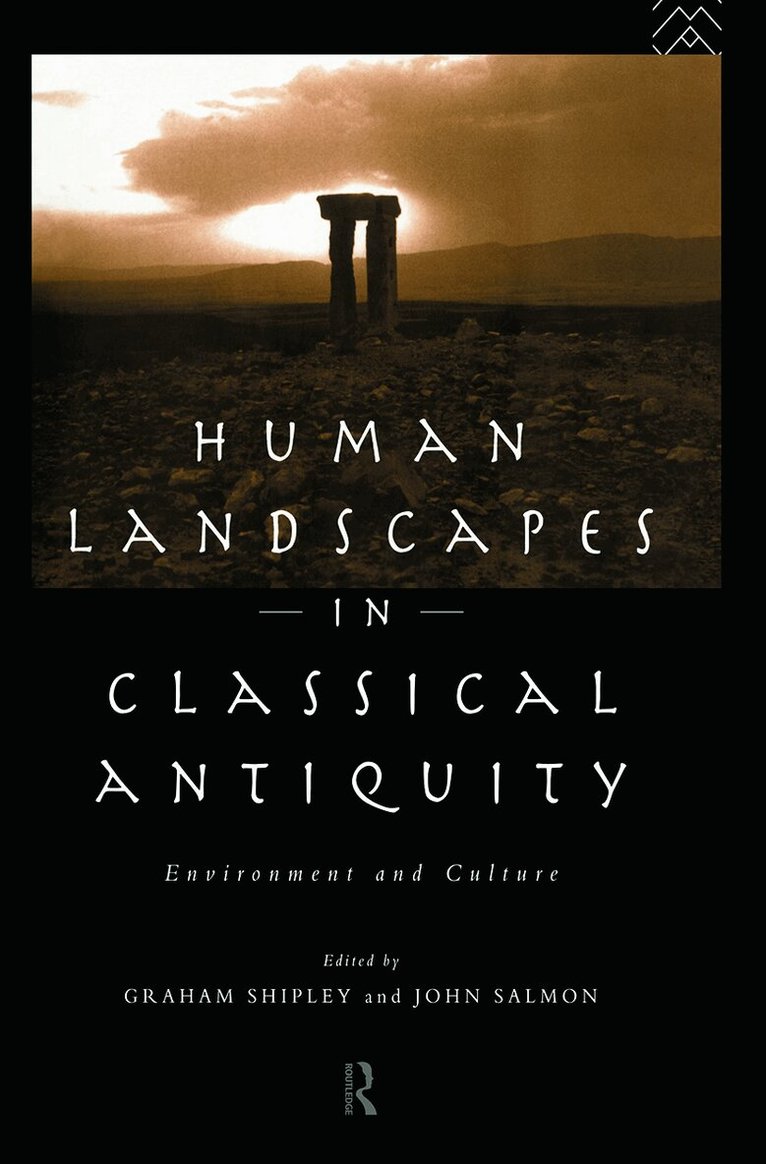
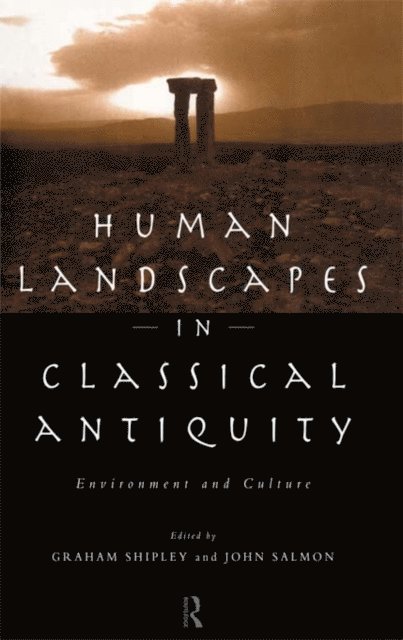
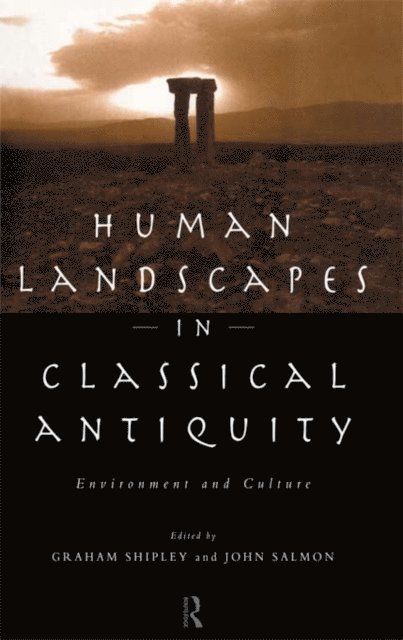
Human Landscapes in Classical Antiquity shows how today''s environmental and ecological concerns can help illuminate our study of the ancient world. The contributors consider how the Greeks and Romans perceived their natural world, and how their perceptions affected society. The effects of human settlement and cultivation on the landscape are considered, as well as the representation of landscape in Attic drama. Various aspects of farming, such as the use of terraces and the significance of olive growing are examined. The uncultivated landscape was also important: hunting was a key social ritual for Greek and hellenistic elites, and ''wild'' places were not wastelands but played an essential economic role. The Romans'' attempts to control their environment are analyzed.This volume shows how Greeks and Romans worked hand in hand with their natural environment and not against it. It represents an outstanding collaboration between the disciplines of history and archaeology.
903 kr
Läs direkt efter köp
Human Landscapes in Classical Antiquity shows how today''s environmental and ecological concerns can help illuminate our study of the ancient world. The contributors consider how the Greeks and Romans perceived their natural world, and how their perceptions affected society. The effects of human settlement and cultivation on the landscape are considered, as well as the representation of landscape in Attic drama. Various aspects of farming, such as the use of terraces and the significance of olive growing are examined. The uncultivated landscape was also important: hunting was a key social ritual for Greek and hellenistic elites, and ''wild'' places were not wastelands but played an essential economic role. The Romans'' attempts to control their environment are analyzed.This volume shows how Greeks and Romans worked hand in hand with their natural environment and not against it. It represents an outstanding collaboration between the disciplines of history and archaeology.
856 kr
Läs direkt efter köp
856 kr
Läs direkt efter köp
2 602 kr
Skickas inom 10-15 vardagar
2 602 kr
Skickas inom 10-15 vardagar
3 037 kr
Skickas inom 3-6 vardagar
672 kr
Skickas inom 7-10 vardagar