725 kr
Skickas inom 10-15 vardagar
725 kr
Skickas inom 10-15 vardagar
3 083 kr
Skickas inom 10-15 vardagar
930 kr
Skickas inom 10-15 vardagar
849 kr
Läs direkt efter köp
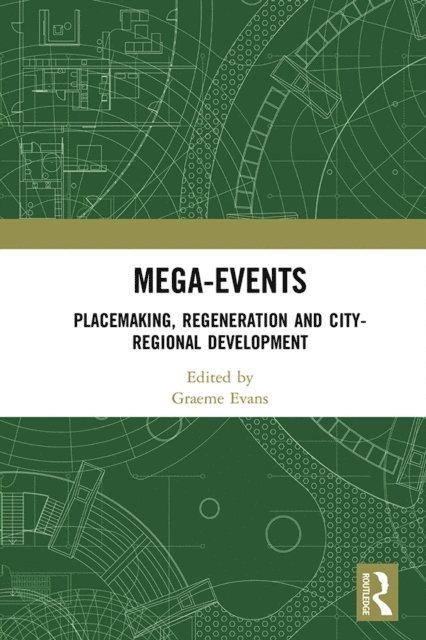
This book brings together different perspectives of mega-event bidding, hosting and legacies. Their impact is considered through an international range of mega-events in terms of land use, political and socio-economic change, and the placemaking processes that accompany these area-based regeneration projects. From city-regions that have not been successful or withdrawn from mega-event selection, to contemporary Olympic, Football World Cup and Expo host cities whose legacy is still unfolding, to event sites whose legacy is now established, the global appeal of the mega-event is apparent from this collection.
The book interrogates the mega-event phenomenon in ten countries, from North and South America, and Australia, to Western and Eastern Europe. Drawing on their historical evolution and antecedents, and following recurrent themes of urban regeneration and resistance, the book highlights the importance of major events and festivals to the creation and marketing of place through branding and regional growth
In considering a range of mega-events critically and in different national and geopolitical contexts, the book will be of interest to policy and decision-makers at local, regional, national and international levels, and will be of particular interest to professionals, scholars and students working in planning, urban studies, sport and leisure studies, and in event and festival management.
849 kr
Läs direkt efter köp
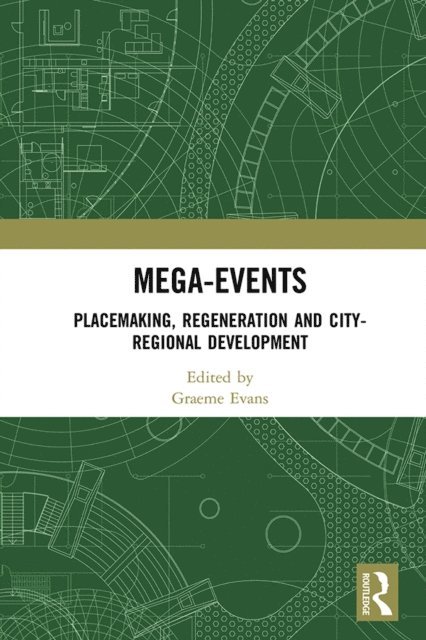
This book brings together different perspectives of mega-event bidding, hosting and legacies. Their impact is considered through an international range of mega-events in terms of land use, political and socio-economic change, and the placemaking processes that accompany these area-based regeneration projects. From city-regions that have not been successful or withdrawn from mega-event selection, to contemporary Olympic, Football World Cup and Expo host cities whose legacy is still unfolding, to event sites whose legacy is now established, the global appeal of the mega-event is apparent from this collection.
The book interrogates the mega-event phenomenon in ten countries, from North and South America, and Australia, to Western and Eastern Europe. Drawing on their historical evolution and antecedents, and following recurrent themes of urban regeneration and resistance, the book highlights the importance of major events and festivals to the creation and marketing of place through branding and regional growth
In considering a range of mega-events critically and in different national and geopolitical contexts, the book will be of interest to policy and decision-makers at local, regional, national and international levels, and will be of particular interest to professionals, scholars and students working in planning, urban studies, sport and leisure studies, and in event and festival management.

229 kr
Skickas inom 7-10 vardagar
746 kr
Läs direkt efter köp
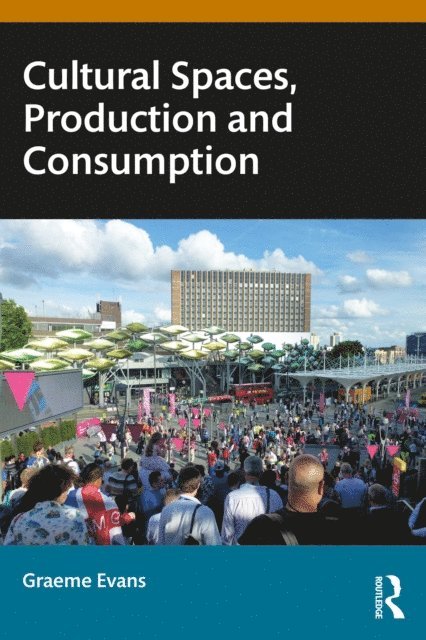
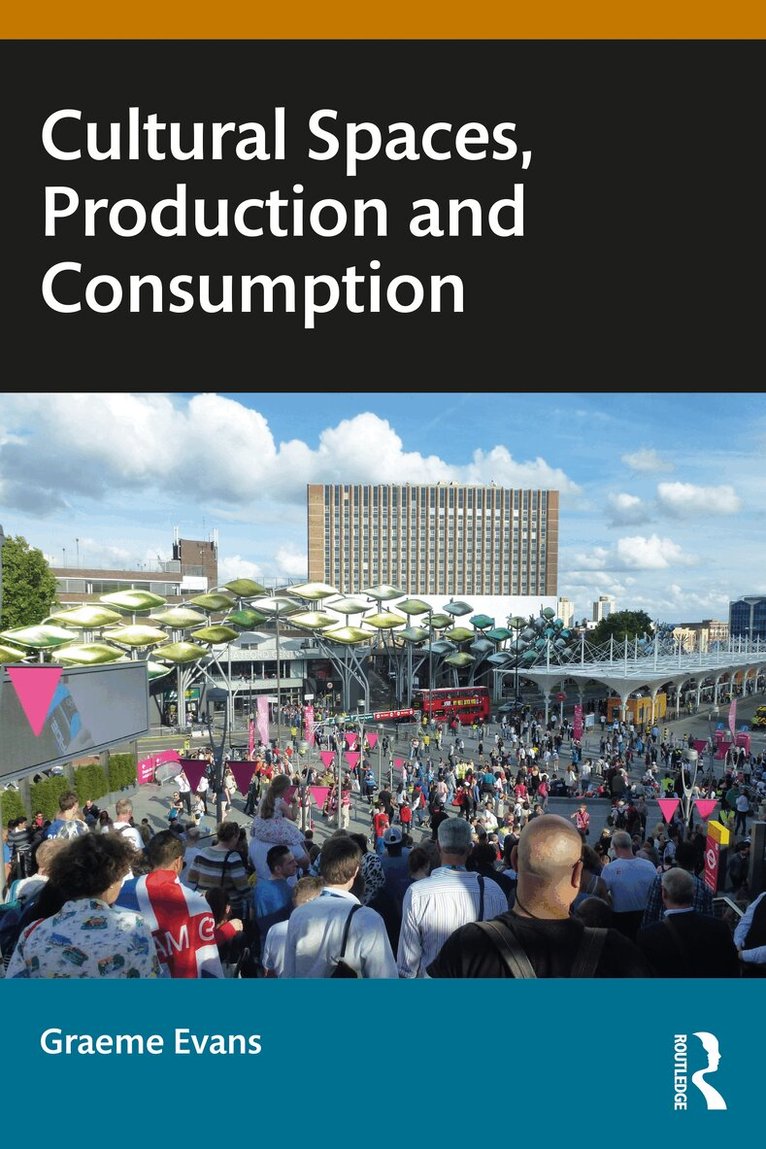
This book explores the concept of cultural spaces, their production and how they are experienced by different users. It explores this concept and practice from formal and informal arts and heritage sites, festivals and cultural quarters - to the production of digital, fashion and street art, and social engagement through cultural mapping and site-based artist collaborations with local communities.
It offers a unique take on the relationship between cultural production and consumption through an eclectic range of cultural space types, featuring examples and case studies across cultural venues, events and festivals, and cultural heritage – and their usage. Cultural production is also considered in terms of the transformation of cultural and digital-creative quarters and their convergence as visitor destinations in city fringe areas, to fashion spaces, manifested through museumification and fashion districts. The approach taken is highly empirical supported by a wide range of visual illustrations and data, underpinned by key concepts, notably the social production of space, cultural rights and everyday culture, which are both tested and validated through the original research presented throughout.
The book will appeal to students and researchers in human geography, arts and museum management, cultural policy, cultural studies, architecture and town planning. It will also be useful for policymakers and practitioners from local and city government, government cultural agencies and departments, architects and town planners, cultural venues, arts centres, museums, heritage sites, and artistic directors/programmers.
757 kr
Läs direkt efter köp
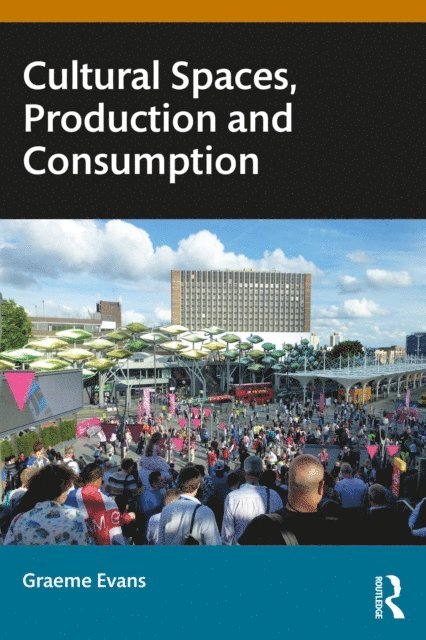
This book explores the concept of cultural spaces, their production and how they are experienced by different users. It explores this concept and practice from formal and informal arts and heritage sites, festivals and cultural quarters - to the production of digital, fashion and street art, and social engagement through cultural mapping and site-based artist collaborations with local communities.
It offers a unique take on the relationship between cultural production and consumption through an eclectic range of cultural space types, featuring examples and case studies across cultural venues, events and festivals, and cultural heritage – and their usage. Cultural production is also considered in terms of the transformation of cultural and digital-creative quarters and their convergence as visitor destinations in city fringe areas, to fashion spaces, manifested through museumification and fashion districts. The approach taken is highly empirical supported by a wide range of visual illustrations and data, underpinned by key concepts, notably the social production of space, cultural rights and everyday culture, which are both tested and validated through the original research presented throughout.
The book will appeal to students and researchers in human geography, arts and museum management, cultural policy, cultural studies, architecture and town planning. It will also be useful for policymakers and practitioners from local and city government, government cultural agencies and departments, architects and town planners, cultural venues, arts centres, museums, heritage sites, and artistic directors/programmers.
2 515 kr
Skickas inom 10-15 vardagar
645 kr
1 067 kr
Läs direkt efter köp
1 091 kr
Läs direkt efter köp
2 601 kr
Skickas inom 10-15 vardagar
1 416 kr
Läs direkt efter köp
Addressing sustainability issues in relation to the design and planning of the urban environment is a complex, multi-disciplinary issue and solutions never arrive from a single perspective. The authors use design as a facilitating factor to consider when and by whom decisions that contribute to sustainability are made, and through three major city-centre case studies - London, Manchester and Sheffield – they consider social, environmental and economic factors and examine their relationship to the decision-making process.
Designing Sustainable Cities begins by identifying the key processes and lead decision-makers. The following chapters develop an understanding of the dimensions of sustainability, presenting the tools by which the dimensions can be analysed. Later chapters illustrate the trade-offs and the relationships between the dimensions of sustainability - with case study examples - as well as the use of IT in making design decisions. Finally, the book makes recommendations for future approaches to the design, development and on-going management of urban environments.
Designing Sustainable Cities covers:
latest research data on the urban environment and the interaction between social, economic and environmental issues methods of understanding the context in which urban design takes place guidance on the codes of practice process maps to help understand the context, make trade-offs and develop design solutions that allow for change methods for testing the consequences of design proposals and monitoring outcomes.