Contending Perspectives on Neoliberal Globalization uses accessible readings to introduce students to the realities of neoliberal globalization and its impact on the lives of people around the world. The material sidesteps theory to focus on real-world cases that reflect the consequences and implications of globalization.Students will gain a broad understanding of various themes and perspectives on neoliberal globalization as they read through the three sections of the anthology. Section I provides foundational information through an examination of the history of ideas behind globalization.Section II focuses on global-national linkages through discussions of the World Bank, International Monetary Fund, and World Trade Organization. It addresses community-based development, and globalization and culture.Section III details the consequences of global stratification. Topics include the privatization of water and energy, the Bhopal gas tragedy, and Chiquita Banana in Colombia.Commentary and questions are built into each section, providing context for the material and jumping off points for classroom discussion.Contending Perspectives on Neoliberal Globalization can be used in classes on international development, and comparative and international politics.
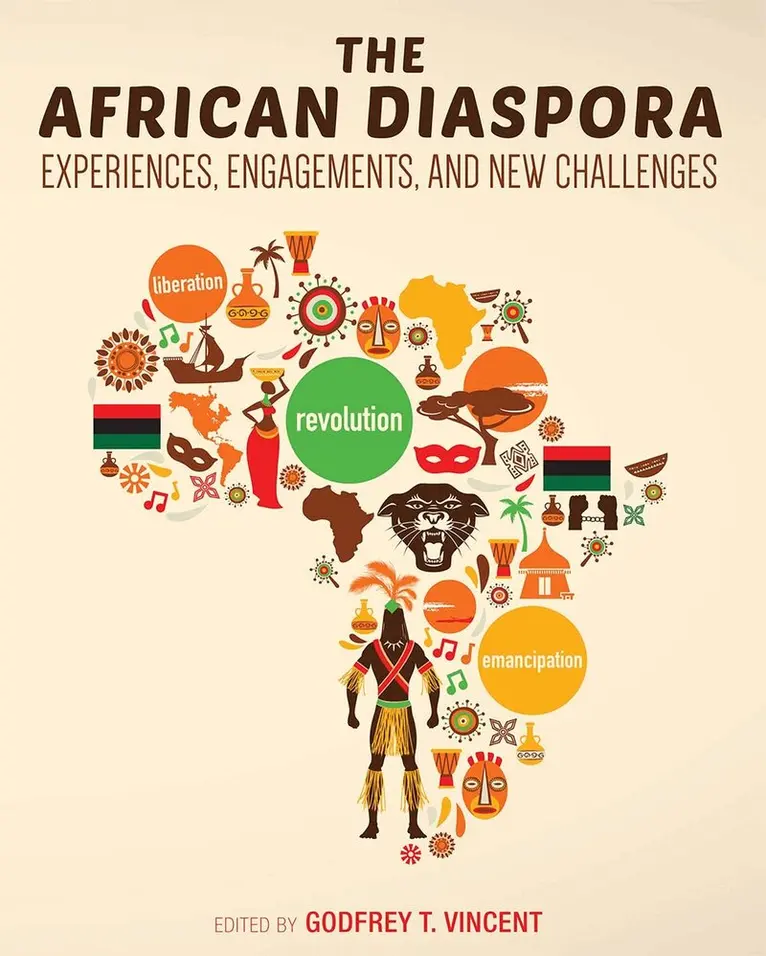
The African Diaspora uses essays from a variety of disciplines to introduce students to the African Diaspora and the contributions of African peoples at a time when these are being marginalized on a global scale.The text explores the origins of the Diaspora, and unearths evidence about the development of the Diaspora in the New World. It discusses the transformative role of cultural art forms in people’s lives, and details how Twentieth Century Africans navigated time and space in a new environment.The material also emphasizes how ideology provided a framework for constructing new identities, and highlights the formation of the Black Power ideology. The final section makes the journey back to Africa to examine setbacks and challenges affecting the Motherland. Throughout the text, students are encouraged to read critically to understand the various methodologies and perspectives of the writers.The African Diaspora can be used in classes on the history of Africa, Afro-American history, and Caribbean politics.