382 kr
382 kr
558 kr
Skickas inom 7-10 vardagar
385 kr
Skickas inom 3-6 vardagar
621 kr
Skickas inom 7-10 vardagar
380 kr
Skickas inom 7-10 vardagar
469 kr
Skickas inom 7-10 vardagar
2 571 kr
Skickas inom 10-15 vardagar
648 kr
Skickas inom 10-15 vardagar
255 kr
Skickas inom 7-10 vardagar
1 328 kr
Skickas inom 7-10 vardagar
453 kr
Skickas inom 7-10 vardagar
431 kr
Skickas inom 7-10 vardagar
745 kr
Läs direkt efter köp
Globalism is often discussed using abstract terms, such as ‘networks’ or ‘flows’ and usually in relation to recent history. Global Design History moves us past this limited view of globalism, broadening our sense of this key term in history and theory.
Individual chapters focus our attention on objects, and the stories they can tell us about cultural interactions on a global scale. They place these concrete things into contexts, such as trade, empire, mediation, and various forms of design practice. Among the varied topics included are:
the global underpinnings of Renaissance material culture the trade of Indian cottons in the eighteenth-century the Japanese tea ceremony as a case of ‘import substitution’ German design in the context of empire handcrafted modernist furniture in Turkey Australian fashions employing ‘ethnic’ motifs an experimental UK-Ghanaian design partnership Chinese social networking websites the international circulation of contemporary architects.Featuring work from leading design historians, each chapter is paired with a ‘response’, designed to expand the discussion and test the methodologies on offer. An extensive bibliography and resource guide will also aid further research, providing students with a user friendly model for approaches to global design.
Global Design History will be useful for upper-level undergraduate and postgraduate students, academics and researchers in design history and art history, and related subjects such as anthropology, craft studies and cultural geography.
762 kr
Läs direkt efter köp
Globalism is often discussed using abstract terms, such as ‘networks’ or ‘flows’ and usually in relation to recent history. Global Design History moves us past this limited view of globalism, broadening our sense of this key term in history and theory.
Individual chapters focus our attention on objects, and the stories they can tell us about cultural interactions on a global scale. They place these concrete things into contexts, such as trade, empire, mediation, and various forms of design practice. Among the varied topics included are:
the global underpinnings of Renaissance material culture the trade of Indian cottons in the eighteenth-century the Japanese tea ceremony as a case of ‘import substitution’ German design in the context of empire handcrafted modernist furniture in Turkey Australian fashions employing ‘ethnic’ motifs an experimental UK-Ghanaian design partnership Chinese social networking websites the international circulation of contemporary architects.Featuring work from leading design historians, each chapter is paired with a ‘response’, designed to expand the discussion and test the methodologies on offer. An extensive bibliography and resource guide will also aid further research, providing students with a user friendly model for approaches to global design.
Global Design History will be useful for upper-level undergraduate and postgraduate students, academics and researchers in design history and art history, and related subjects such as anthropology, craft studies and cultural geography.
1 450 kr
Skickas inom 7-10 vardagar
590 kr
Skickas inom 10-15 vardagar
160 kr
Skickas
481 kr
Skickas inom 7-10 vardagar
882 kr
Skickas
507 kr
Skickas
577 kr
Skickas inom 7-10 vardagar
234 kr
Läs direkt efter köp
206 kr
Skickas
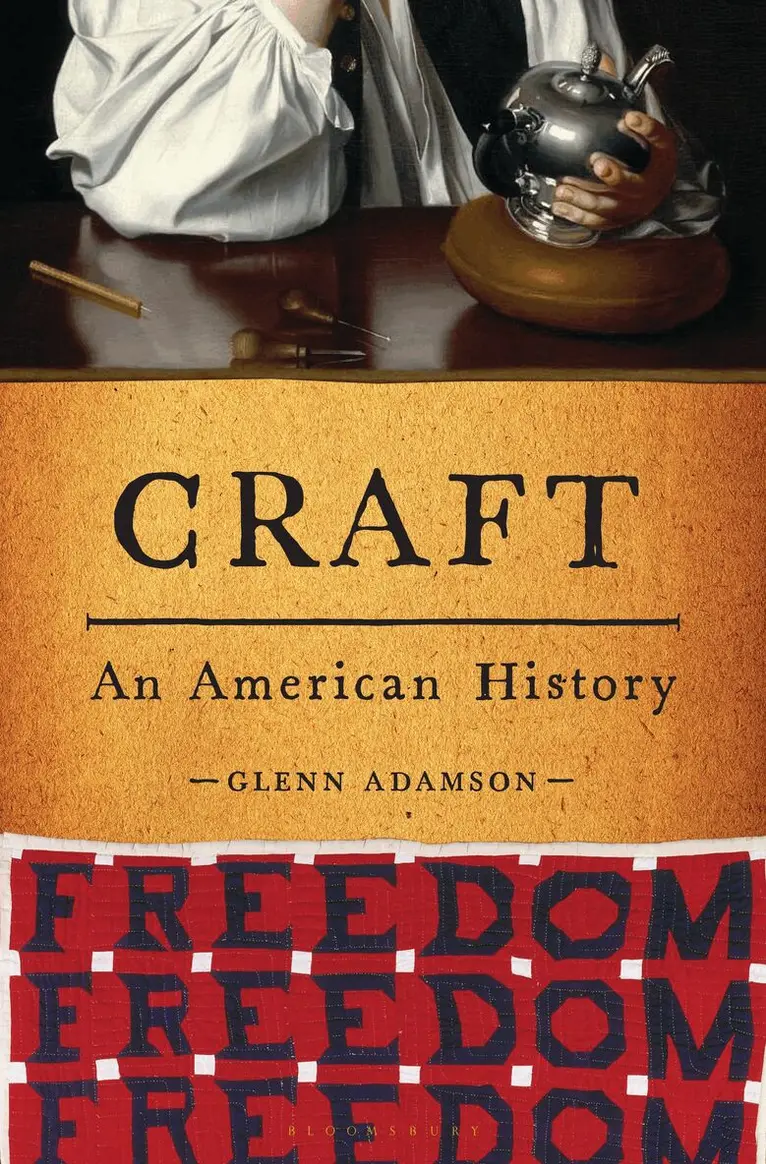
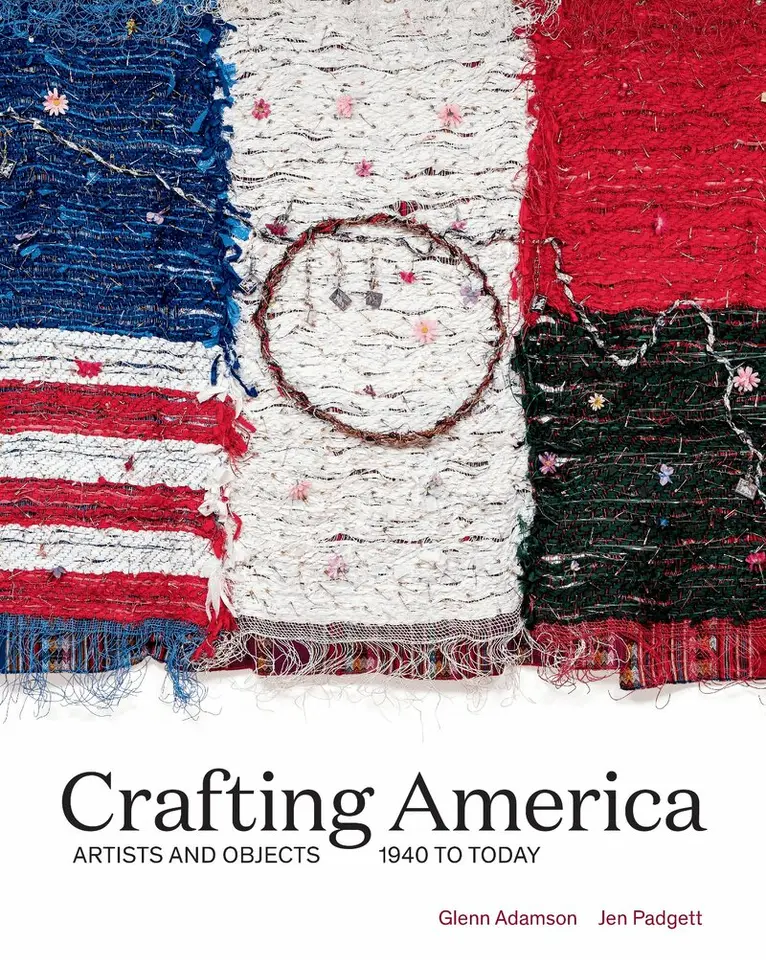
A groundbreaking and endlessly surprising history of how artisans created America, from the nation’s origins to the present day.At the center of the United States’ economic and social development, according to conventional wisdom, are industry and technology—while craftspeople and handmade objects are relegated to a bygone past. Renowned historian Glenn Adamson turns that narrative on its head in this innovative account, revealing makers’ central role in shaping America’s identity. Examine any phase of the nation’s struggle to define itself, and artisans are there—from the silversmith Paul Revere and the revolutionary carpenters and blacksmiths who hurled tea into Boston Harbor, to today’s “maker movement.” From Mother Jones to Rosie the Riveter. From Betsy Ross to Rosa Parks. From suffrage banners to the AIDS Quilt. Adamson shows that craft has long been implicated in debates around equality, education, and class. Artisanship has often been a site of resistance for oppressed people, such as enslaved African-Americans whose skilled labor might confer hard-won agency under bondage, or the Native American makers who adapted traditional arts into statements of modernity. Theirs are among the array of memorable portraits of Americans both celebrated and unfamiliar in this richly peopled book. As Adamson argues, these artisans’ stories speak to our collective striving toward a more perfect union. From the beginning, America had to be—and still remains to be—crafted.
234 kr
Läs direkt efter köp
271 kr
Läs direkt efter köp
587 kr
Skickas inom 7-10 vardagar
1 755 kr
Skickas inom 10-15 vardagar
2 484 kr
Skickas inom 10-15 vardagar
113 kr
Kommande
326 kr
Kommande