698 kr
Skickas inom 10-15 vardagar
698 kr
Skickas inom 10-15 vardagar
2 534 kr
Skickas inom 10-15 vardagar
2 534 kr
Skickas inom 10-15 vardagar
406 kr
Skickas inom 7-10 vardagar
624 kr
Skickas inom 10-15 vardagar
641 kr
Läs direkt efter köp
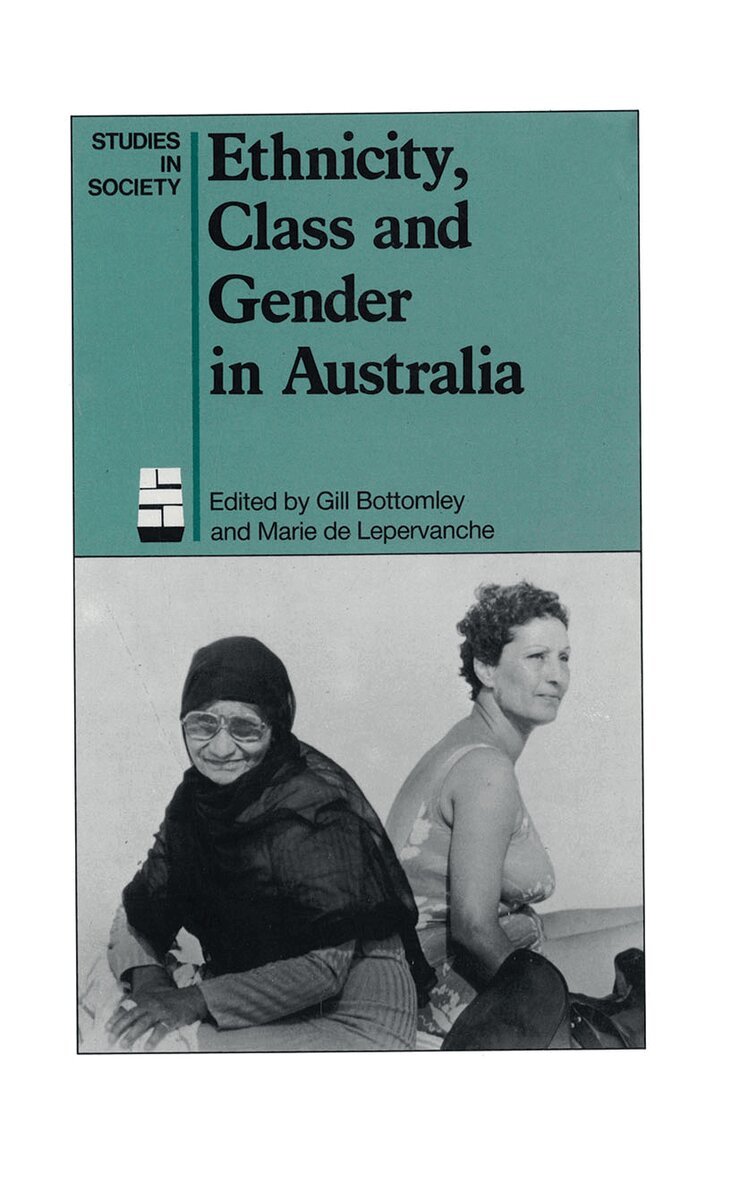
Ethnicity, Class and Gender in Australia is a major study of the impact of immigration on Australian society, and of the fragmentation that has developed along ethnic, class and gender lines. Rather than thumbnail sketches of ethnic groups or celebrations of multiculturalism, it offers detailed critiques of policy and practice, backed up by evidence from the experiences and research of the authors.This book confronts issues crucial to all Australians: the increasing fragmentation of the workforce; the class, gender and origin-based inequalities present in an ''egalitarian'' country; and the ideologies, from racism to multiculturalism, designed to mask these inequalities.The authors also point to evidence of growing resistance to the status quo, and strategies for working towards a more genuine equality - to more positive education programmes, to political action at the workplace and beyond. The aim is to broaden readers'' understanding of Australian society by including those who are so often omitted from analysis of that society.
814 kr
Läs direkt efter köp
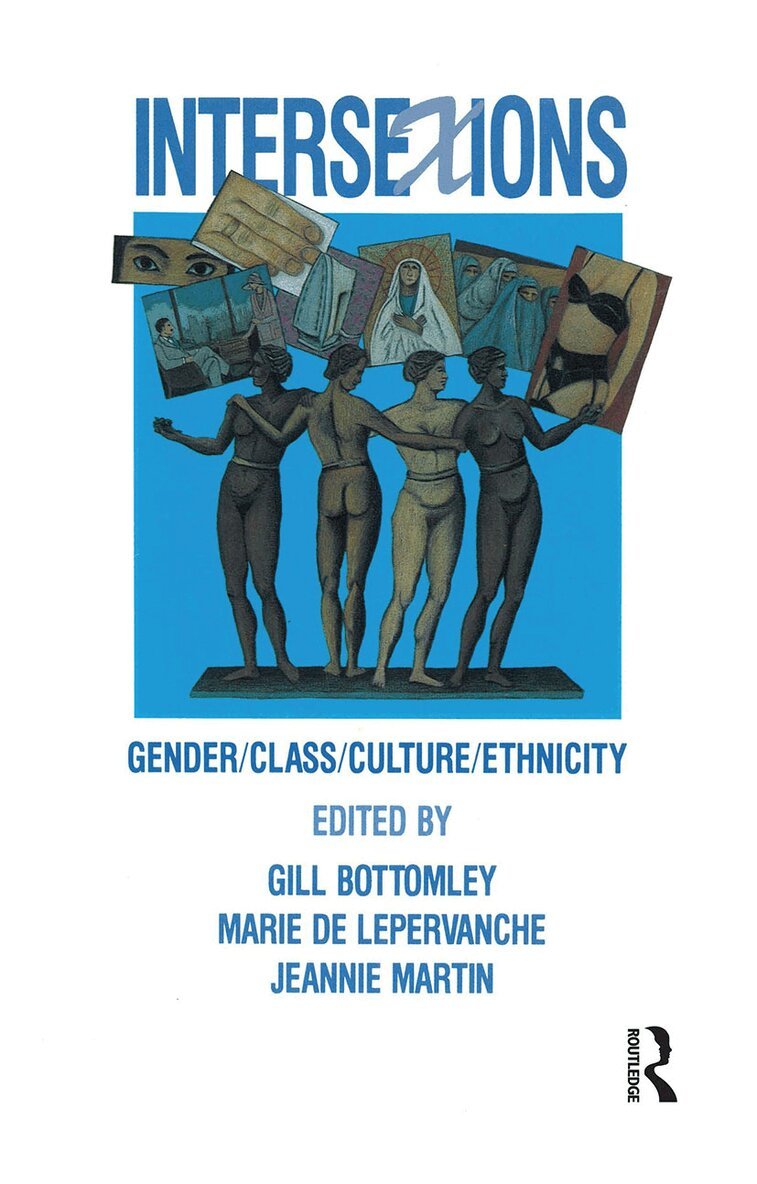
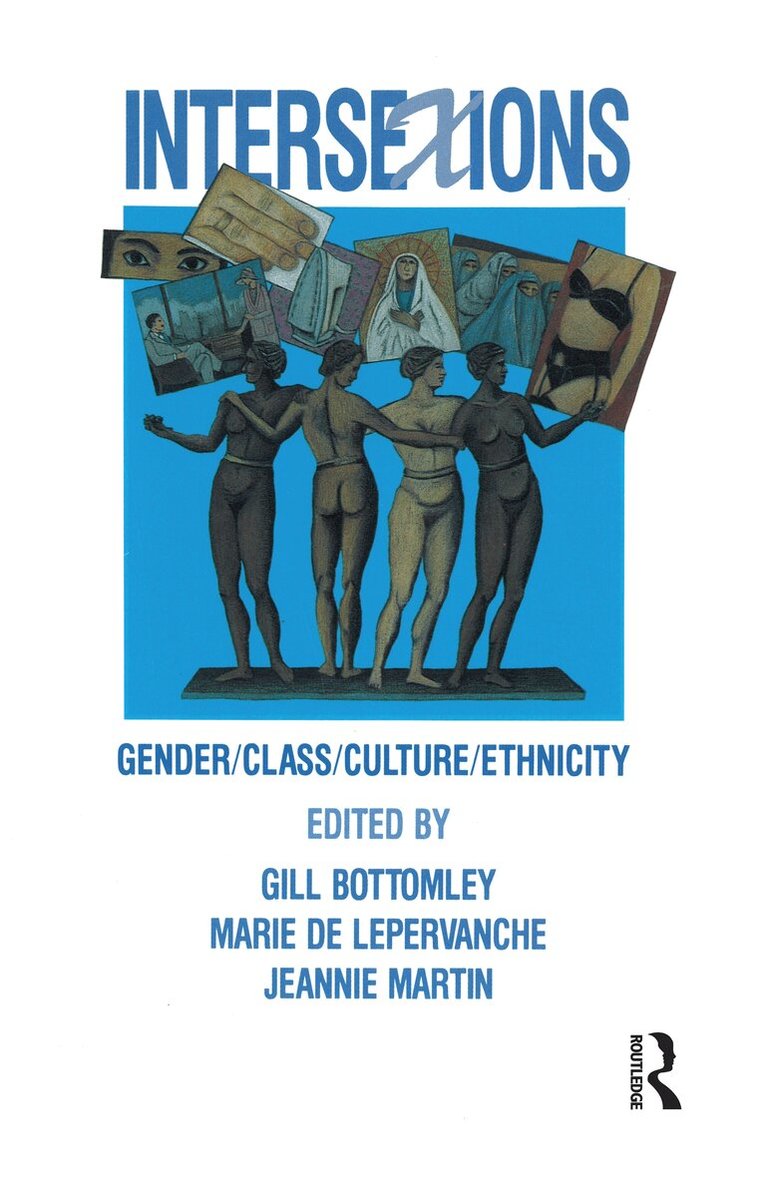
Do writings about ethnicity, class and gender form a ''holy trinity'' or challenge previous unidimensional analyses?Intersexions accepts the triple perspective but goes further. One aim is to understand the processes by which relations of power are maintained, reproduced and resisted. Intersexions also examines modes of representation: within social theory, feminism, development theory and discussions of capitalism and postcolonialism, as well as dominant ideological notions of caste, domesticity and ''success''.The writers'' approaches are all critical but concerned also with providing alternatives. Comparative and specific analyses are combined, attention is paid to the written and spoken material of the people ''represented'' and their own positions as commentators examined. Topics range from discussions of family ideology and paid and domestic work, to analyses of writings by Aboriginals, Vanuatuans and second generation Greek Australians and critiques of the cultural construction of gender and ethnicity in Bangladesh, India and Indonesia.Themes recur and overlap. Unitary categories are questioned and the processes by which relations described as ''class'', ''ethnic'', ''cultural'' and ''gender'' intersect and interact are demonstrated.
641 kr
Läs direkt efter köp
Ethnicity, Class and Gender in Australia is a major study of the impact of immigration on Australian society, and of the fragmentation that has developed along ethnic, class and gender lines. Rather than thumbnail sketches of ethnic groups or celebrations of multiculturalism, it offers detailed critiques of policy and practice, backed up by evidence from the experiences and research of the authors.This book confronts issues crucial to all Australians: the increasing fragmentation of the workforce; the class, gender and origin-based inequalities present in an ''egalitarian'' country; and the ideologies, from racism to multiculturalism, designed to mask these inequalities.The authors also point to evidence of growing resistance to the status quo, and strategies for working towards a more genuine equality - to more positive education programmes, to political action at the workplace and beyond. The aim is to broaden readers'' understanding of Australian society by including those who are so often omitted from analysis of that society.
814 kr
Läs direkt efter köp
Do writings about ethnicity, class and gender form a ''holy trinity'' or challenge previous unidimensional analyses?Intersexions accepts the triple perspective but goes further. One aim is to understand the processes by which relations of power are maintained, reproduced and resisted. Intersexions also examines modes of representation: within social theory, feminism, development theory and discussions of capitalism and postcolonialism, as well as dominant ideological notions of caste, domesticity and ''success''.The writers'' approaches are all critical but concerned also with providing alternatives. Comparative and specific analyses are combined, attention is paid to the written and spoken material of the people ''represented'' and their own positions as commentators examined. Topics range from discussions of family ideology and paid and domestic work, to analyses of writings by Aboriginals, Vanuatuans and second generation Greek Australians and critiques of the cultural construction of gender and ethnicity in Bangladesh, India and Indonesia.Themes recur and overlap. Unitary categories are questioned and the processes by which relations described as ''class'', ''ethnic'', ''cultural'' and ''gender'' intersect and interact are demonstrated.