144 kr
Skickas inom 7-10 vardagar
144 kr
Skickas inom 7-10 vardagar
Not Stated
323 kr
Skickas inom 3-6 vardagar
213 kr
Skickas
210 kr
Skickas
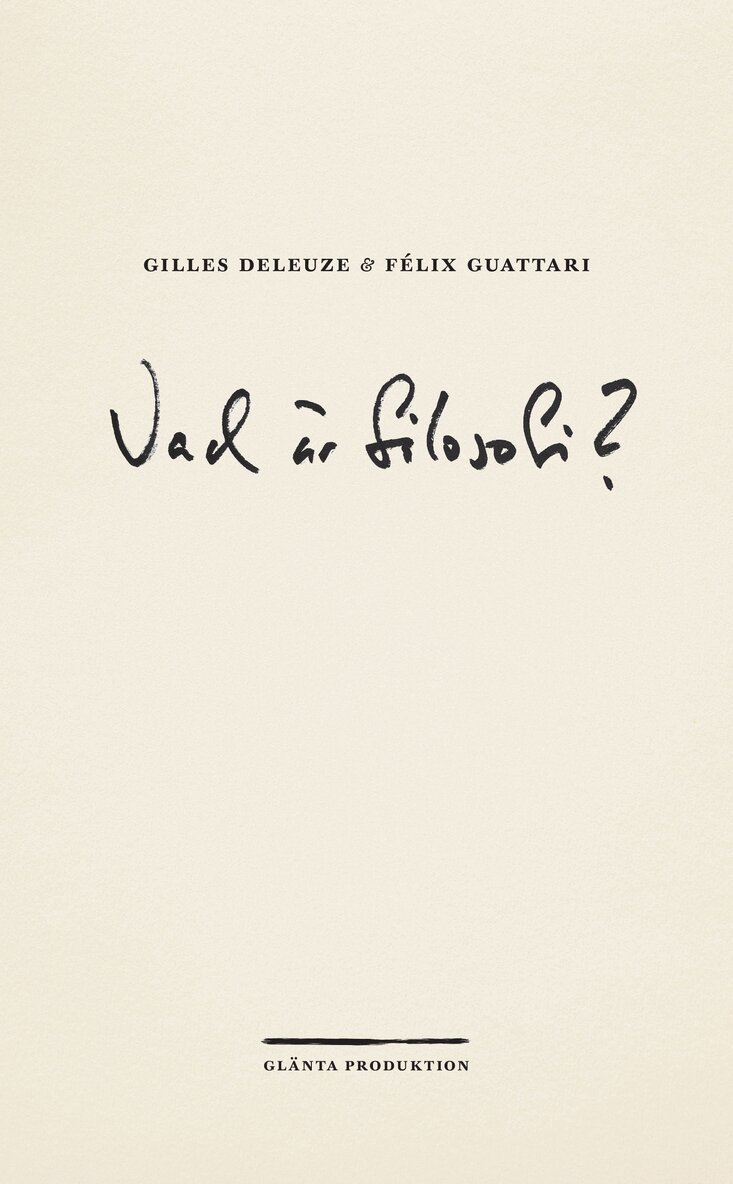
Vad är filosofi? både ställer och besvarar frågan om vad den filosofiska verksamheten innebär. Det är en skapande verksamhet, där det som skapas är unika begrepp. Filosofen Gilles Deleuze och psykoanalytikern Félix Guattari svarar även på hur detta begreppsliga tänkande skiljer sig från - och samtidigt interagerar med - andra former av skapande, såsom konsten och naturvetenskapen.
Vad är filosofi? utgör kulmen på samarbetet mellan Deleuze och Guattari, efter de tidigare böckerna Anti-Oidipus, Tusen platåer och Kafka - för en mindre litteratur. Boken är inte bara en pedagogisk analys och förklaring av vad begreppsligt tänkande innebär, utan också en kraftfull uppmaning att skapa nya begrepp; att skapa ett filosofiskt tänkande för samtiden och framtiden.
När den gavs ut 1991 skrev filosofen Didier Eribon att "det är en oerhört stor bok ... en av dessa sällsynta böcker som får oss att betrakta saker och ting på ett annat sätt ... den kommer mycket snart att bli en klassiker." Det blev den också, inte bara inom den akademiska filosofin, utan i en betydligt bredare teoretisk och kritisk bemärkelse.
"För att svara på frågan krävs alltså något annat än en filosofi eller mer eller mindre vaga föreställningar om tänkandet i allmänhet: det som behövs är en utredning av vad filosofi är och gör, inifrån den filosofiska aktiviteten". (Ur Fredrika Spindlers förord.)
Boken är översatt från franska av Rikard Johansson, Fredrika Spindler & Sven-Olov Wallenstein.
386 kr
Skickas inom 3-6 vardagar
282 kr
Skickas inom 7-10 vardagar
339 kr
Skickas inom 7-10 vardagar
258 kr
Skickas inom 7-10 vardagar
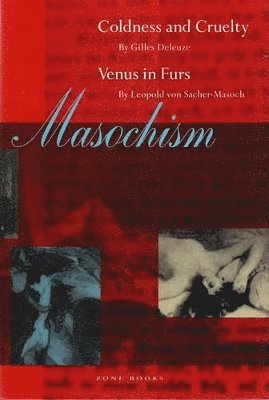
In his stunning essay Coldness and Cruelty Gilles Deleuze provides a rigorous and informed philosophical examination of the work of late nineteenth-century German novelist Leopold von Sacher-Masoch. Deleuze’s essay, certainly the most profound study yet produced on the relations between sadism and masochism, seeks to develop and explain Masoch’s “peculiar way of ‘desexualizing’ love while at the same time sexualizing the entire history of humanity.” He shows that masochism is something far more subtle and complex than the enjoyment of pain, that masochism has nothing to do with sadism: their worlds do not communicate, just as the genius of those who created them — Masoch and Sade — lie stylistically, philosophically, and politically poles apart.Venus in Furs, the most famous of Masoch’s novels, belongs to an unfinished cycle of works that Masoch entitled The Heritage of Cain. The cycle was to treat a series of themes, including love, war, and death. The present work is about love. Although the entire constellation of symbols that has come to characterize the masochistic syndrome can be found here — fetishes, whips, disguises, fur-clad women, contracts, humiliations, punishment, and always the volatile presence of a terrible coldness — these received associations do not eclipse the truly singular and surprising power of Masoch’s eroticism.
370 kr
Skickas inom 7-10 vardagar
231 kr
Skickas
353 kr
Skickas inom 3-6 vardagar
240 kr
204 kr
Skickas
353 kr
Skickas inom 3-6 vardagar
382 kr
Skickas inom 7-10 vardagar
335 kr
Skickas inom 7-10 vardagar
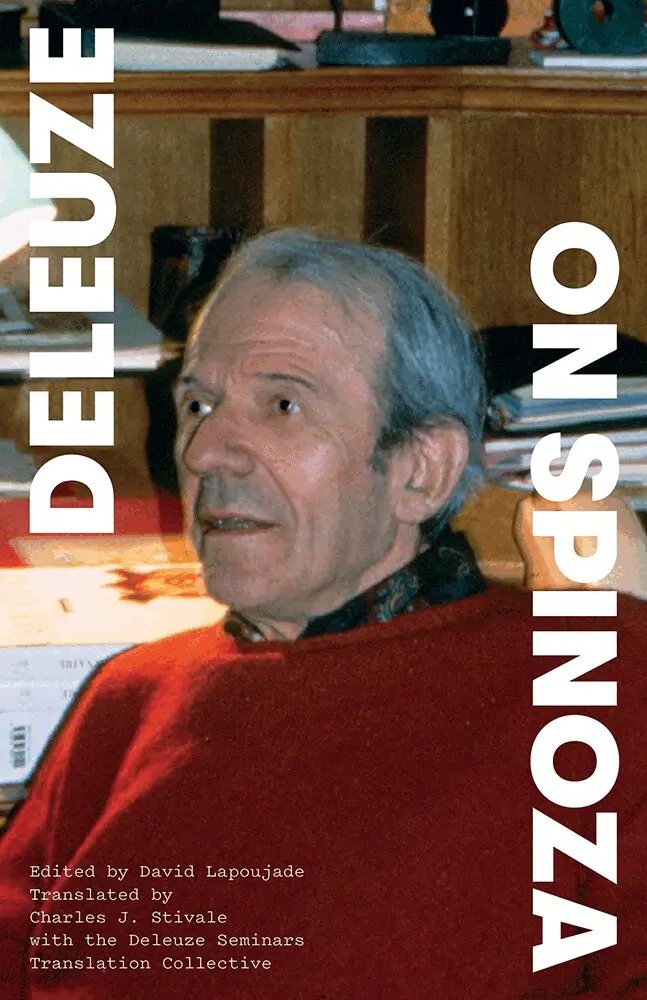
In this remarkable work, Gilles Deleuze, the renowned French philosopher, reflects on one of the thinkers of the past who most influenced his own sweeping reconfiguration of the tasks of philosophy. For Deleuze, Spinoza, along with Nietzsche and Lucretius, conceived of philosophy as an enterprise of liberation and radical demystification. He locates in Spinoza “a set of affects, a kinetic determination, an impulse” and makes Spinoza into “an encounter, a passion.”Expressionism in Philosophy was the culmination of a series of monographic studies by Deleuze (on Hume, Bergson, Nietzsche, Proust, Kant, and Sacher-Masoch) and prepared the transition from these abstract treatments of historical schemes of experience to the nomadology of Capitalism and Schizophrenia (Anti-Oedipus and A Thousand Plateaus, co-authored with Félix Guattari). Thus, Expressionism in Philosophy is both a pivotal reading of Spinoza’s work and a crucial text within the development of Deleuze’s thought.
316 kr
Skickas inom 3-6 vardagar
283 kr
Skickas inom 7-10 vardagar
112 kr
Skickas inom 3-6 vardagar
201 kr
Skickas
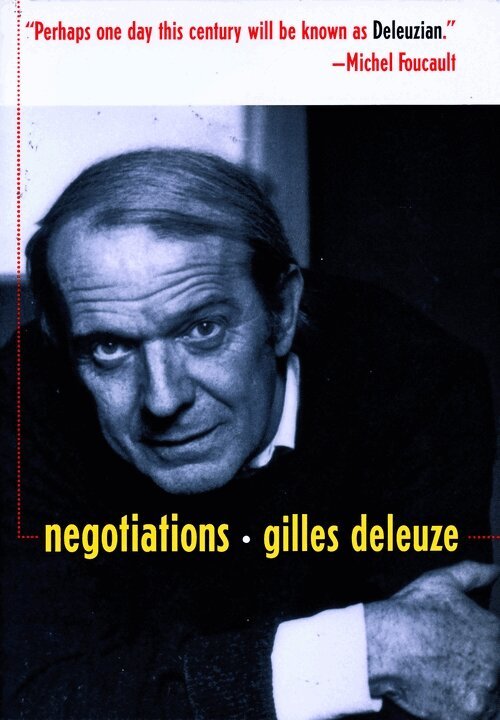
"One day, perhaps, this century will be Deleuzian," Michel Foucault once wrote. This book anthologizes 40 texts and interviews written over 20 years by renowned French philosopher Gilles Deleuze, who died in 1995. The early texts, from 1953-1966 (on Rousseau, Kafka, Jarry, etc.), belong to literary criticism and announce Deleuze's last book, Critique and Clinic (1993). But philosophy clearly predominates in the rest of the book, with sharp appraisals of the thinkers he always felt indebted to: Spinoza, Bergson. More surprising is his acknowledgement of Jean-Paul Sartre as his master. "The new themes, a certain new style, a new aggressive and polemical way of raising questions," he wrote, "come from Sartre." But the figure of Nietzsche remains by far the most seminal, and the presence throughout of his friends and close collaborators, Felix Guattari and Michel Foucault. The book stops shortly after the publication of Anti-Oedipus, and presents a kind of genealogy of Deleuze's thought as well as his attempt to leave philosophy and connect it to the outside—but, he cautions, as a philosopher.
362 kr
Kommande
171 kr
Skickas
200 kr
Skickas
People tend to confuse winning freedom with conversion to capitalism. It is doubtful that the joys of capitalism are enough to free peoples.... The American “revolution” failed long ago, long before the Soviet one. Revolutionary situations and attempts are born of capitalism itself and will not soon disappear, alas. Philosophy remains tied to a revolutionary becoming that is not to be confused with the history of revolutions.—from Two Regimes of Madness
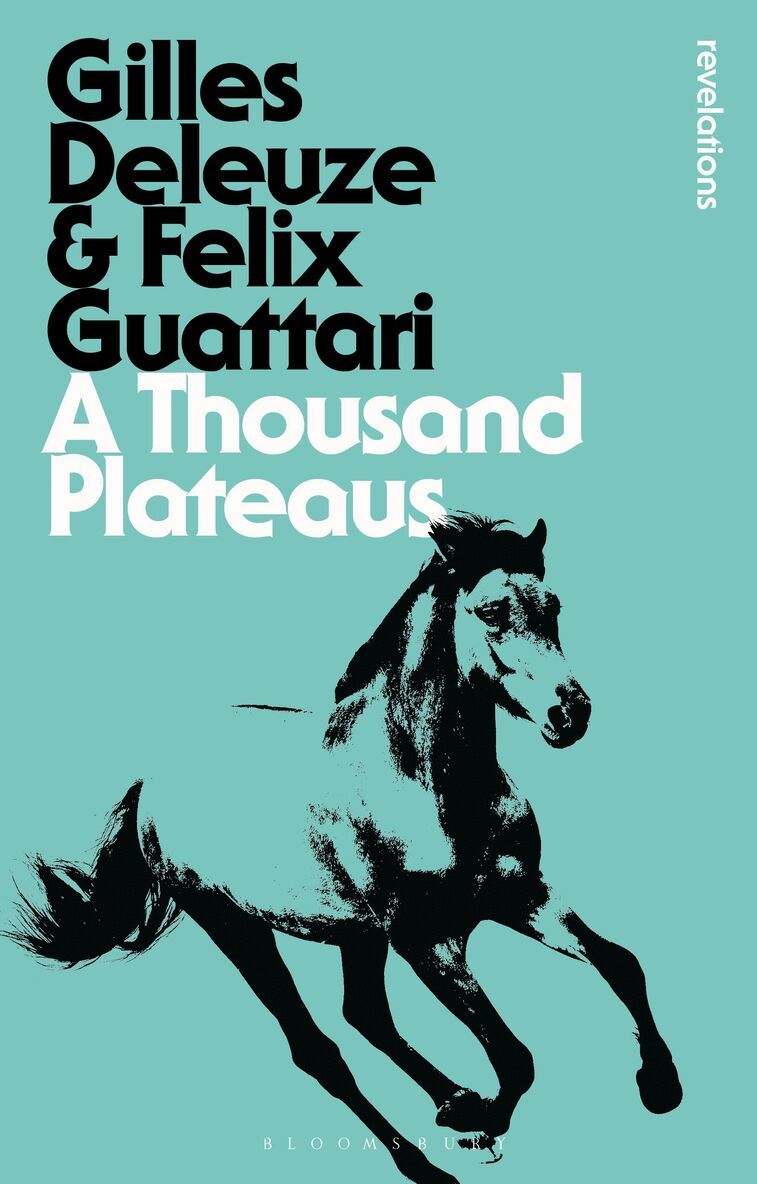
Covering the last twenty years of Gilles Deleuze's life (1975-1995), the texts and interviews gathered in this volume complete those collected in Desert Islands and Other Texts (1953-1974). This period saw the publication of his major works: A Thousand Plateaus (1980), Cinema I: Image-Movement (1983), Cinema II: Image-Time (1985), all leading through language, concept and art to What is Philosophy? (1991). Two Regimes of Madness also documents Deleuze's increasing involvement with politics (with Toni Negri, for example, the Italian philosopher and professor accused of associating with the Red Brigades). Both volumes were conceived by the author himself and will be his last. Michel Foucault famously wrote: “One day, perhaps, this century will be Deleuzian.” This book provides a prodigious entry into the work of the most important philosopher of our time. Unlike Foucault, Deleuze never stopped digging further into the same furrow. Concepts for him came from life. He was a vitalist and remained one to the last. This volume restores the full text of the original French edition.
326 kr
Skickas inom 7-10 vardagar
263 kr
Skickas inom 7-10 vardagar
290 kr
Skickas inom 3-6 vardagar
2 667 kr
Skickas inom 10-15 vardagar
240 kr
Skickas inom 7-10 vardagar
1 690 kr
Skickas inom 3-6 vardagar
380 kr
Skickas inom 11-20 vardagar