2 807 kr
Skickas inom 7-10 vardagar
2 807 kr
Skickas inom 7-10 vardagar
253 kr
Skickas inom 7-10 vardagar
779 kr
Läs direkt efter köp
2 526 kr
Skickas inom 10-15 vardagar
637 kr
Skickas inom 10-15 vardagar
569 kr
Skickas inom 7-10 vardagar
846 kr
Skickas inom 7-10 vardagar
553 kr
Skickas inom 7-10 vardagar
1 514 kr
Skickas inom 7-10 vardagar
1 163 kr
Skickas inom 7-10 vardagar
1 508 kr
Skickas inom 3-6 vardagar
852 kr
Skickas inom 7-10 vardagar
1 198 kr
Skickas inom 7-10 vardagar
984 kr
Skickas inom 3-6 vardagar
1 062 kr
Skickas inom 3-6 vardagar
1 129 kr
Skickas inom 7-10 vardagar
2 768 kr
Skickas inom 7-10 vardagar
3 215 kr
Skickas inom 7-10 vardagar
1 042 kr
Skickas inom 7-10 vardagar
2 286 kr
Skickas inom 3-6 vardagar
2 448 kr
Skickas inom 7-10 vardagar
2 687 kr
Skickas inom 3-6 vardagar
2 490 kr
Skickas inom 10-15 vardagar
642 kr
Skickas inom 10-15 vardagar
743 kr
Skickas inom 10-15 vardagar
745 kr
Läs direkt efter köp
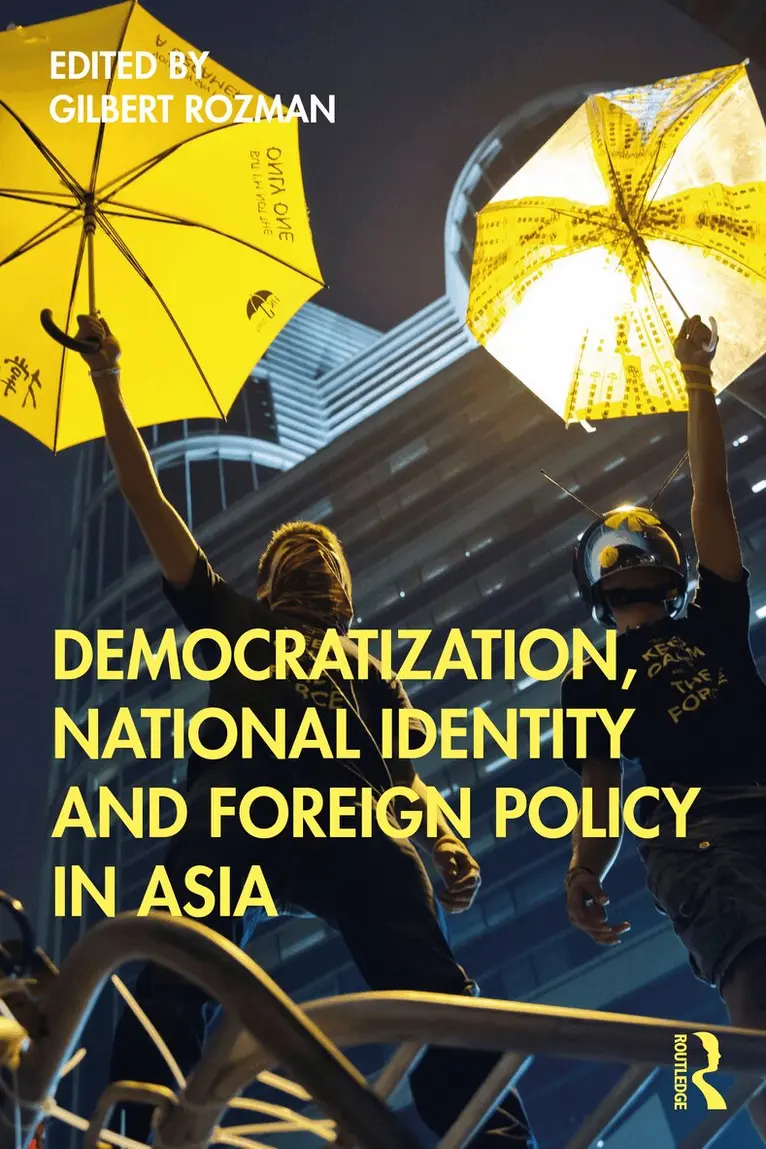
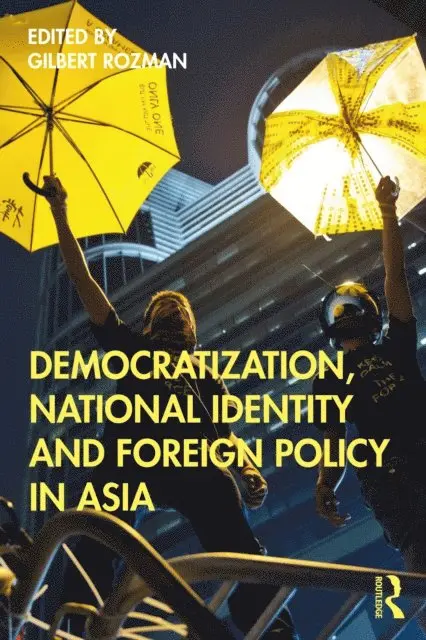
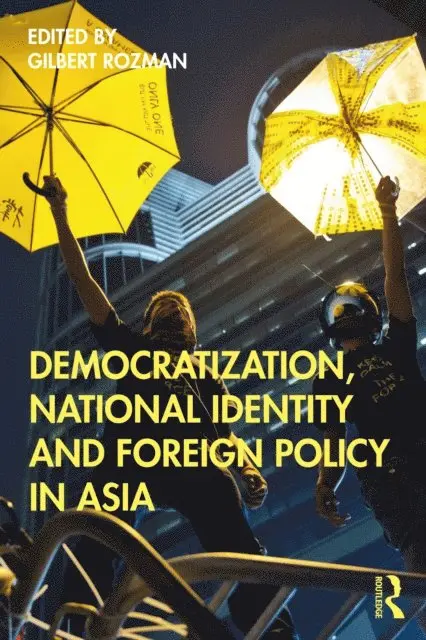
How can democratization move forward in an era of populist-nationalist backlash? Many countries in Asia, and elsewhere, face the challenge of navigating between China and the United States in a period of intensifying polarization in their policies tied to democracy. East Asia has shown the way to democratization in Asia—with Japan, South Korea, and Taiwan linking national identity to democratization. In other parts of Asia, especially Southeast Asia, nationalist governments have tended to move away from democratization, as happened in Hong Kong at China’s insistence. This book investigates how national identity can both help and hinder democratization, illustrated by a series of examples from across Asia. A valuable guide for students and scholars both of democratization and of Asian politics.
746 kr
Läs direkt efter köp
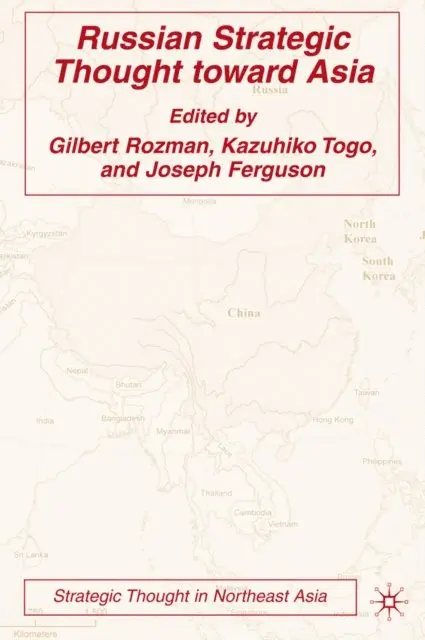
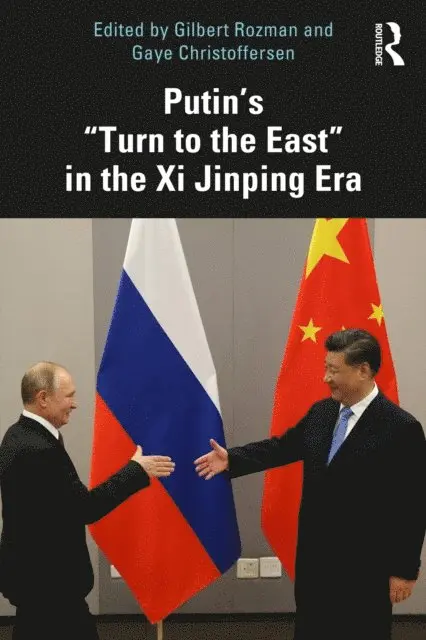
Rozman, Christoffersen, and a team of expert contributors analyze the evolution of Vladimir Putin’s reorientation to Asia since 2012.
When Putin announced a “Turn to the East” in Russian foreign policy upon his return to the presidency, this was to be strategic reorientation emphasizing multilateralism. As the years have passed, however, this has turned into a tight reliance on the bilateral relationship with China. Rozman, Christoffersen, and their team explore how the “Turn” proceeded and developed over the course of a decade, ending by examining the impact of the Ukraine war on Sino-Russian relations. Their analysis focuses on Russia’s perspective, taking into account an extensive range of Russian publications to look at how priorities shifted. While affirming the continued strengthening of ties between Beijing and Moscow, they identify many tensions between them, noting especially Russia’s illusions about the relationship.
A comprehensive review of Russian policy toward the Indo-Pacific, which is essential reading for courses on Russian foreign policy and international relations in East Asia.
757 kr
Läs direkt efter köp
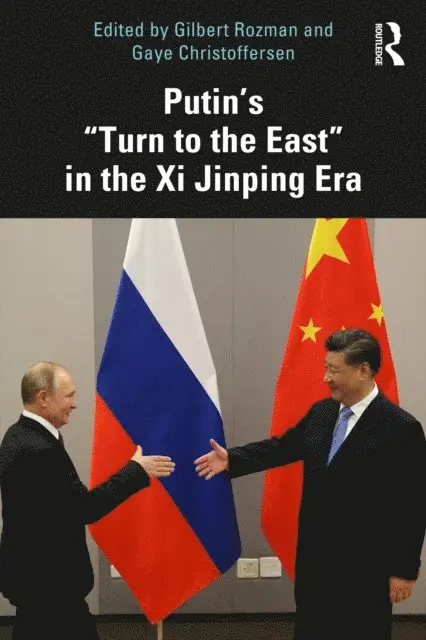
Rozman, Christoffersen, and a team of expert contributors analyze the evolution of Vladimir Putin’s reorientation to Asia since 2012.
When Putin announced a “Turn to the East” in Russian foreign policy upon his return to the presidency, this was to be strategic reorientation emphasizing multilateralism. As the years have passed, however, this has turned into a tight reliance on the bilateral relationship with China. Rozman, Christoffersen, and their team explore how the “Turn” proceeded and developed over the course of a decade, ending by examining the impact of the Ukraine war on Sino-Russian relations. Their analysis focuses on Russia’s perspective, taking into account an extensive range of Russian publications to look at how priorities shifted. While affirming the continued strengthening of ties between Beijing and Moscow, they identify many tensions between them, noting especially Russia’s illusions about the relationship.
A comprehensive review of Russian policy toward the Indo-Pacific, which is essential reading for courses on Russian foreign policy and international relations in East Asia.
762 kr
Läs direkt efter köp
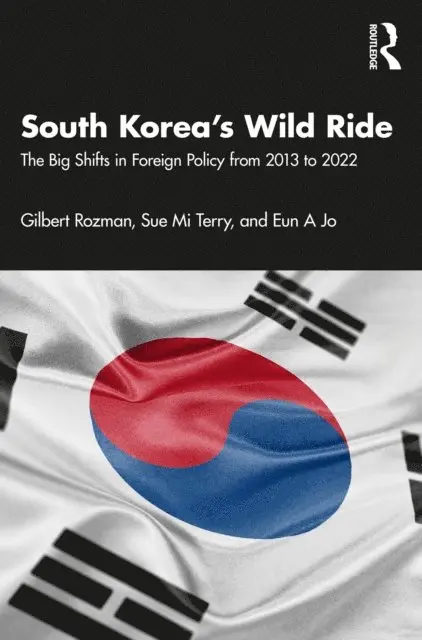
Rozman, Terry, and Jo analyze the geopolitical shifts in South Korea’s policies toward its neighbors and allies over the course of the Park Geun-hye and Moon Jae-in administrations into the early years of the Yoon Suk-yeol administration.
2013 to 2022 was a tumultuous decade in South Korean politics and especially in its foreign policy. Through two changes of its own presidency, as well as the rise and fall of the Trump administration in the United States, South Korea’s politicians and diplomats have pursued different attempts at bridge-building with North Korea, before arriving at a more cautious and defensive position. The authors track the different attempts by Park and Moon to pursue increasingly optimistic attempts at reconciliation, and how they were thwarted by excessive idealism, domestic divisions, and broader great power rivalries—notably including Russia, China, and Japan.
An essential guide to understanding the trajectory of South Korean foreign policy, for students of Korean politics as well as scholars and policy practitioners.