Most writing on Metis history has concentrated on the Resistance of 1869-70 and the Rebellion of 1885, without adequately explaining the social and economic origins of the Metis that shaped those conflicts. Historians have often emphasized the aboriginal aspect of the Metis heritage, stereotyping the Metis as a primitive people unable or unwilling to adjust to civilized life and capitalist society.In this social and economic history of the Metis of the Red River Settlement, specifically the parishes of St Francois-Xavier and St Andrew's, Gerhard Ens argues that the Metis participated with growing confidence in two worlds: one Indian and pre-capitalist, the other European and capitalist. Ens maintains that Metis identity was not defined by biology or blood but rather by the economic and social niche they carved out for themselves within the fur trade.Ens finds that the Metis, rather than being overwhelmed, adapted quickly to the changed economic conditions of the 1840s and actually influenced the nature of change. The opening of new markets and the rise of the buffalo robe trade fed a `cottage industry' whose increasing importance had significant repercussions for the maintenance of ethnic boundaries, the nature of Metis response to the Riel Resistance, and the eventual decline of the Red River Settlement as a Metis homeland.
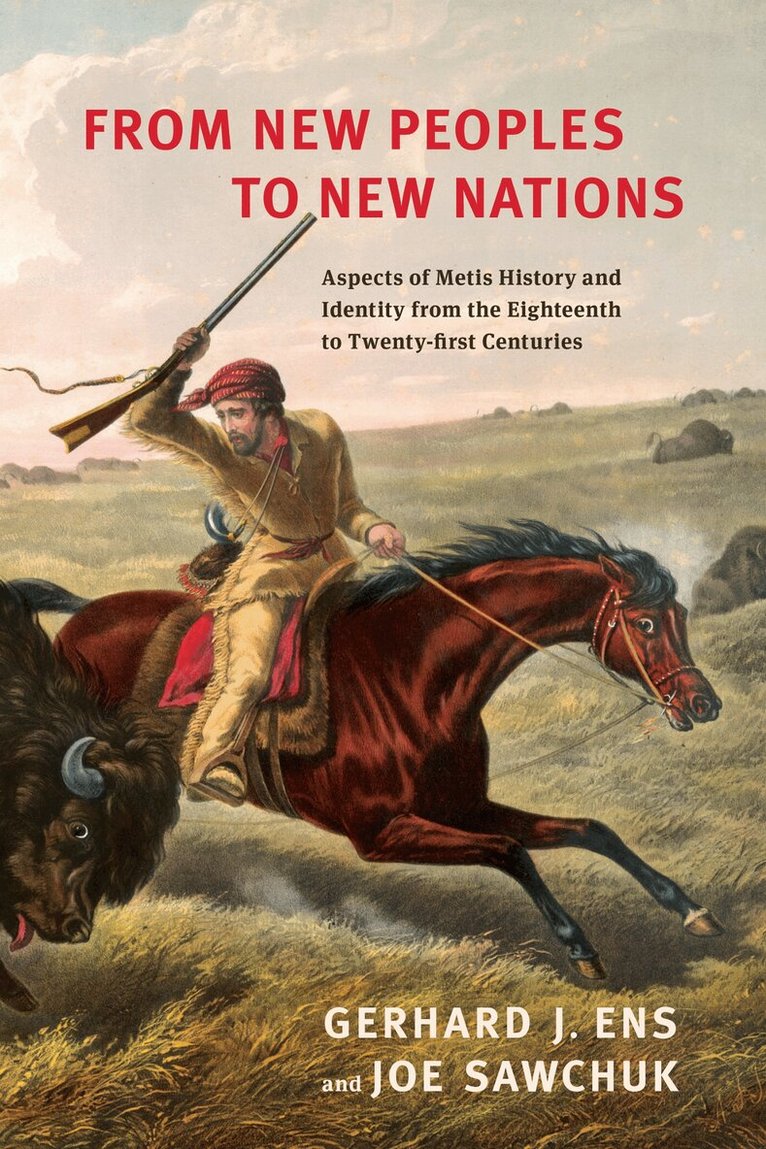
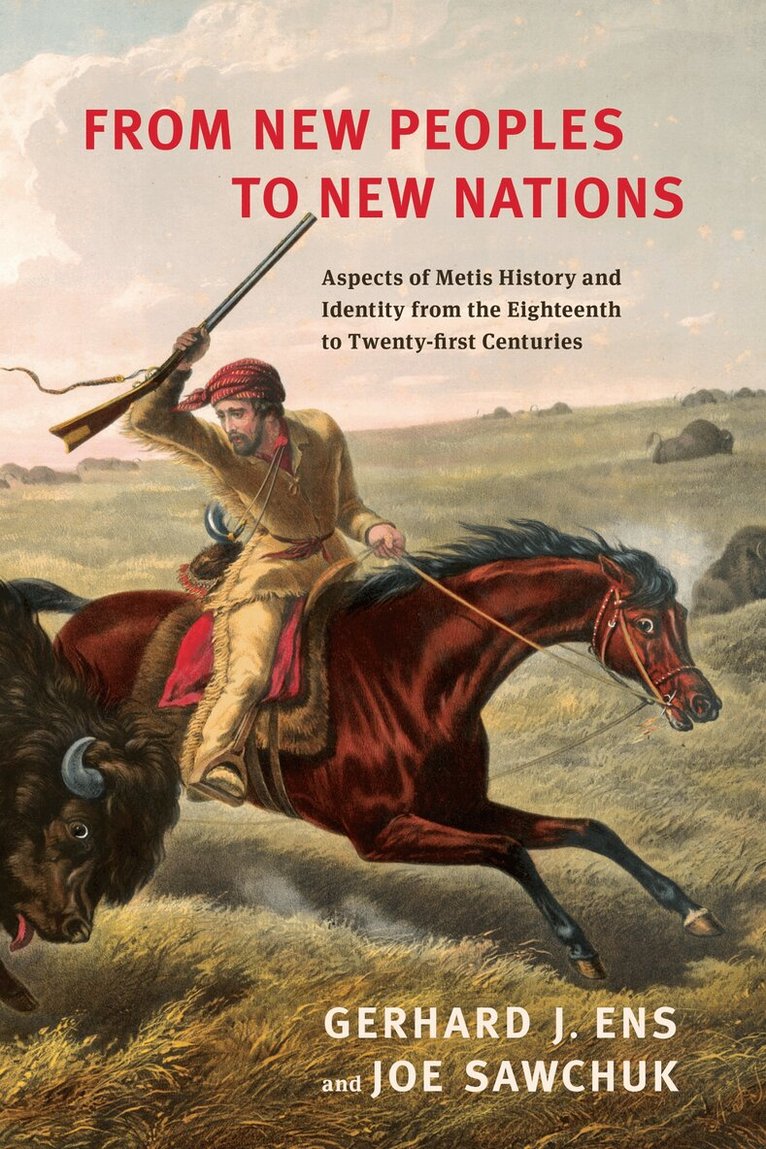
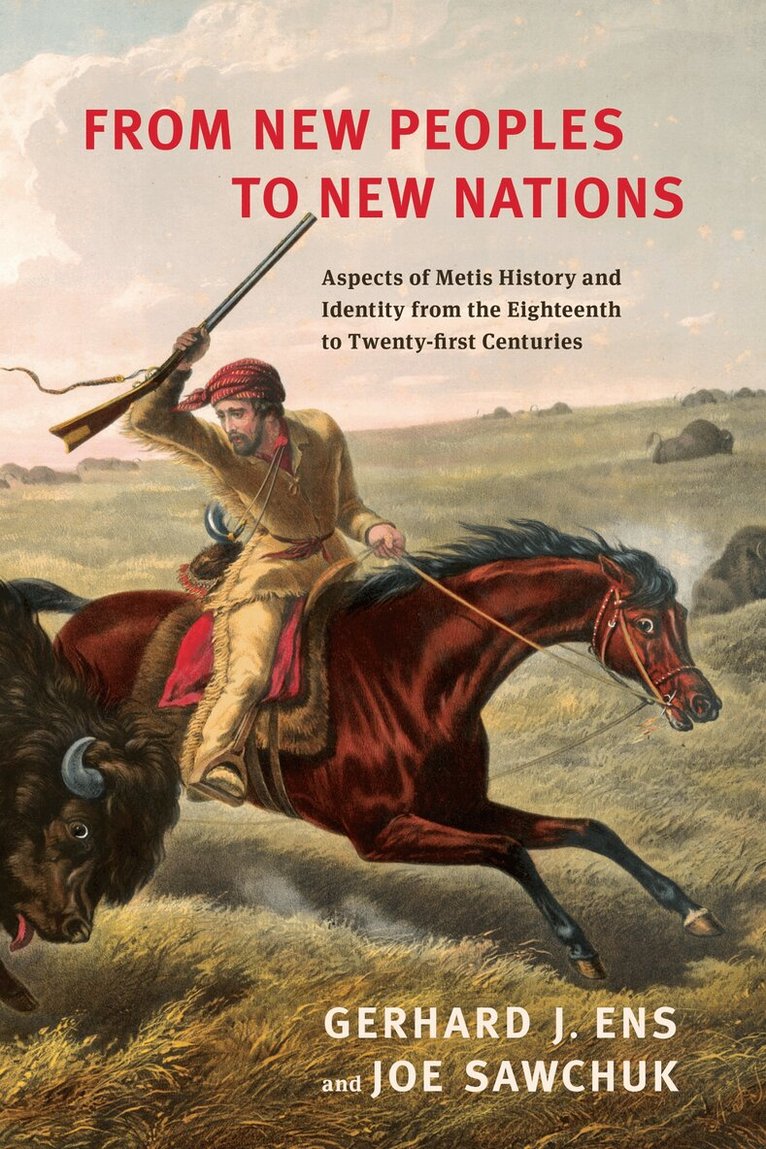
From New Peoples to New Nations is a broad historical account of the emergence of the Metis as distinct peoples in North America over the last three hundred years. Examining the cultural, economic, and political strategies through which communities define their boundaries, Gerhard J. Ens and Joe Sawchuk trace the invention and reinvention of Metis identity from the late eighteenth century to the present day. Their work updates, rethinks, and integrates the many disparate aspects of Metis historiography, providing the first comprehensive narrative of Metis identity in more than fifty years.Based on extensive archival materials, interviews, oral histories, ethnographic research, and first-hand working knowledge of Metis political organizations, From New Peoples to New Nations addresses the long and complex history of Metis identity from the Battle of Seven Oaks to today’s legal and political debates.
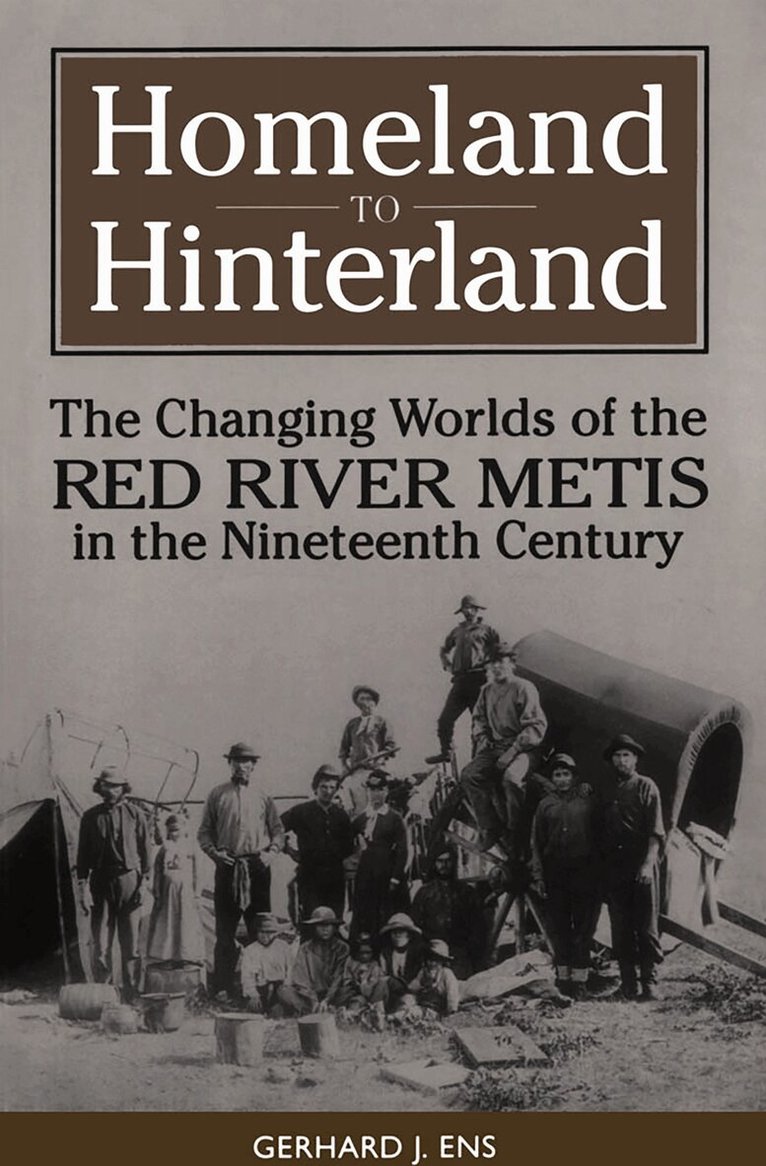
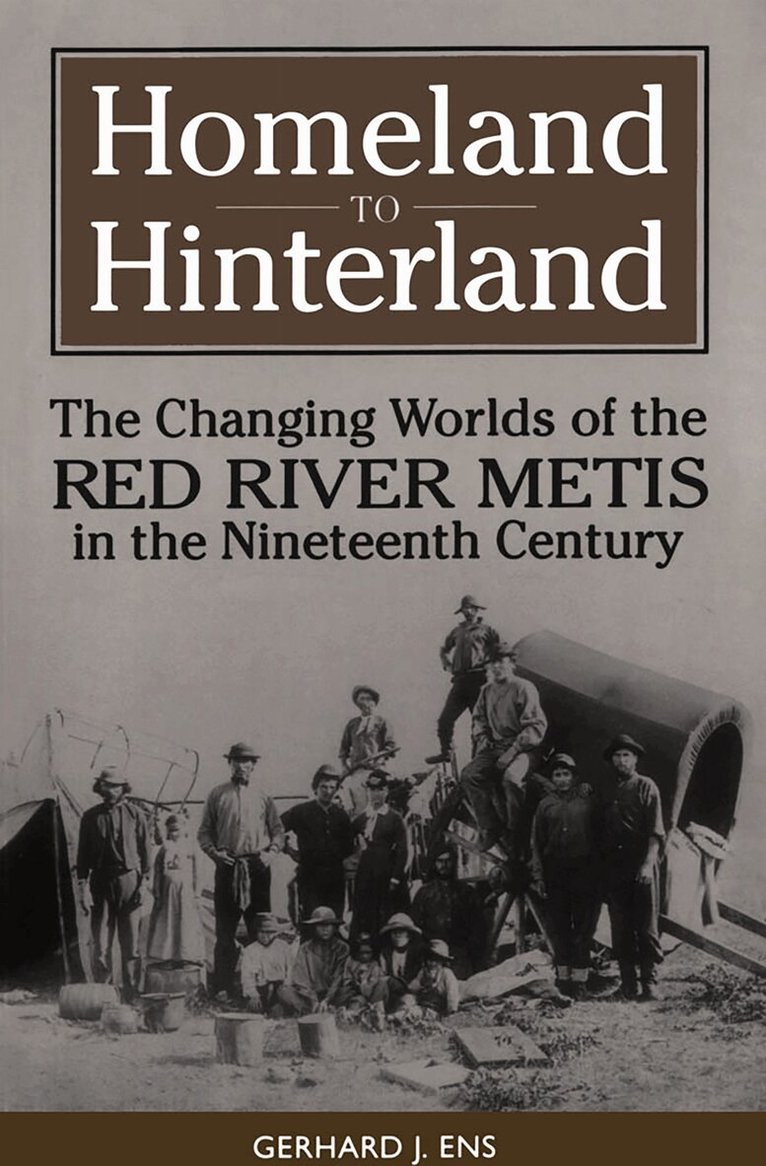
Most writing on Metis history has concentrated on the Resistance of 1869-70 and the Rebellion of 1885, without adequately explaining the social and economic origins of the Metis that shaped those conflicts. Historians have often emphasized the aboriginal aspect of the Metis heritage, stereotyping the Metis as a primitive people unable or unwilling to adjust to civilized life and capitalist society.In this social and economic history of the Metis of the Red River Settlement, specifically the parishes of St Francois-Xavier and St Andrew's, Gerhard Ens argues that the Metis participated with growing confidence in two worlds: one Indian and pre-capitalist, the other European and capitalist. Ens maintains that Metis identity was not defined by biology or blood but rather by the economic and social niche they carved out for themselves within the fur trade.Ens finds that the Metis, rather than being overwhelmed, adapted quickly to the changed economic conditions of the 1840s and actually influenced the nature of change. The opening of new markets and the rise of the buffalo robe trade fed a `cottage industry' whose increasing importance had significant repercussions for the maintenance of ethnic boundaries, the nature of Metis response to the Riel Resistance, and the eventual decline of the Red River Settlement as a Metis homeland.