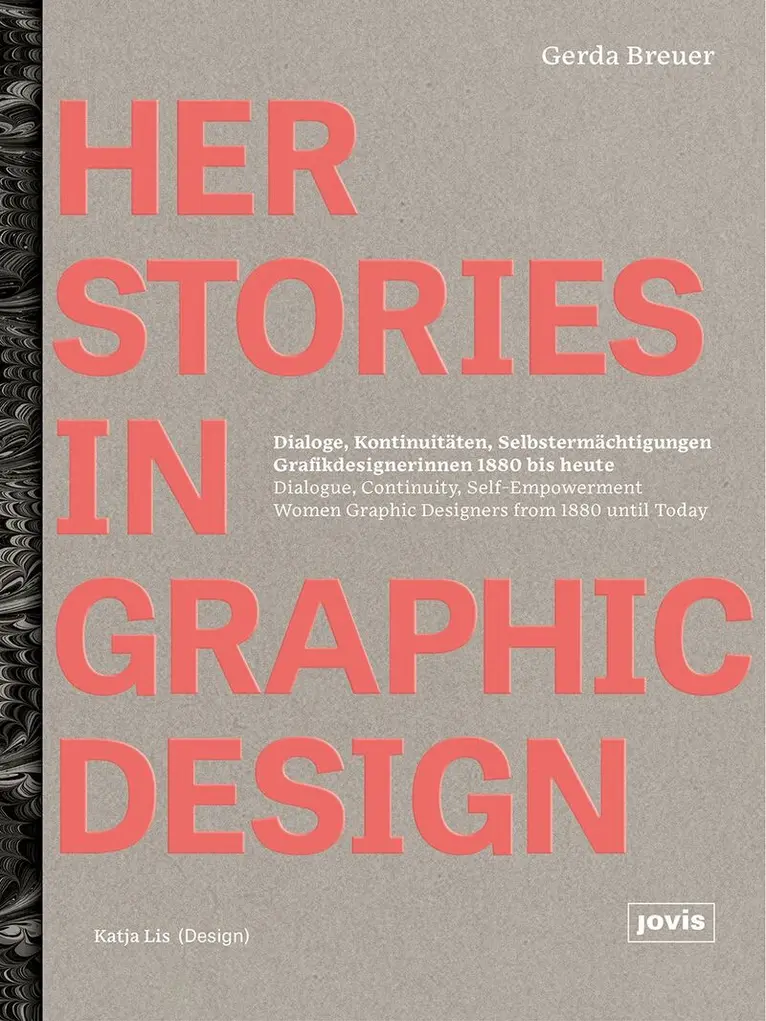
Bilingual edition (English/German) / Zweisprachige Ausgabe (deutsch/englisch) By and large, women have been left out of the history of graphic design. Yet if we look beyond the surface of this familiar account, what becomes clear is the influence women graphic designers have had on the discipline right from the start. The book shows how these women developed their own traditions, fostered dialogue and built connections between their designs, acted as role models, created networks, and proved their capacity for self-empowerment. Illuminating this struggle for professional recognition, Gerda Breuer highlights the collective formats women designers have used to enhance their own visibility, champion women’s issues, and make a mark on the world. Both little-known collectives and renowned graphic designers such as Lyubov Popova, Änne Koken, Ethel Reed, and Sarah Wyman Whitman contributed to the history of graphic design. Breuer’s approach demonstrates the ways that women’s important contributions been devalued, ignored, or relegated to the background—in short, made to disappear—in the narrative that is usually presented. In the context of contemporary challenges to the traditional canon of graphic design, integrating these contributions into design history is long overdue. Design by Katja Lis, DBF Designbüro Frankfurt
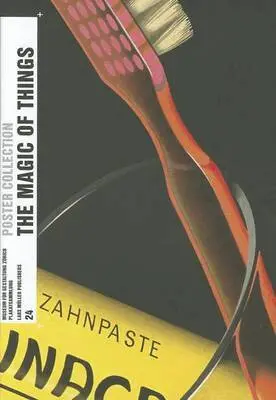
The Magic of Things explores a former advertising strategy of Swiss product posters in which banal, everyday objects--butter, a sewing machine, or shoes--are presented as desirable objects enticing us to buy. Free from any further contextualization, the objects acquire a sensual presence and magical aura. The product poster had its heyday in Switzerland in the 1940s with designers such as Niklaus Stoecklin, Peter Birkhauser, or Otto Baumberger. As consumer society developed, however, the exclusive focus on the product and the brand name was no longer enough--in advertising, the feelings associated with the object as it related to life grew increasingly important. Today it is in the cultural poster that the magical depiction of things is experiencing a kind of renaissance.