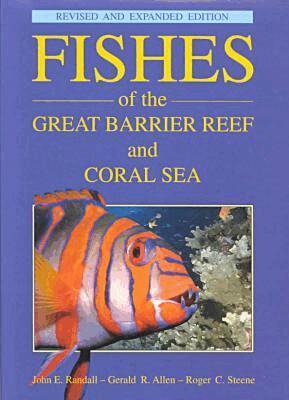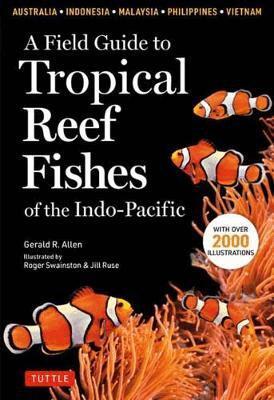
Now available in the US, this is the revised and expanded fifth edition of a book that has been the standard reference work for divers, anglers and scientists for over 30 years. The new edition covers 1,670 fish species found in the seas of tropical Southeast Asia, the Southern Pacific islands and Australia--including the Great Barrier Reef, Malaysia, Indonesia, Thailand, Vietnam and the Philippines. A must-have reference for divers, marine biologists, ecologists, commercial fisheries and sports anglers, this book includes a comprehensive identification guide to the families of reef fishes, with a definitive index. An informative and detailed Introduction includes area coverage; faunal composition; biology, behavior and ecology of reef fishes; classification of fishes, and much more. Originally published as Marine Fishes of South-East Asia, this edition contains numerous revisions in nomenclature affecting both the scientific Latin names and common names of the region's fishes. In all cases these have been made to reflect the current universally-accepted terminology. The common names in this book are the result of a recent initiative undertaken by the Australian Government and Seafood Services Australia. Each species is depicted in detailed, full-color illustrations by noted marine artists Roger Swainston and Jill Ruse, including over 35 new species. In many cases, the illustrations show both male and female examples. With more than 2,000 illustrations and 29 color photographs, this definitive field guide will continue to be an invaluable resource for professionals and hobbyists alike.
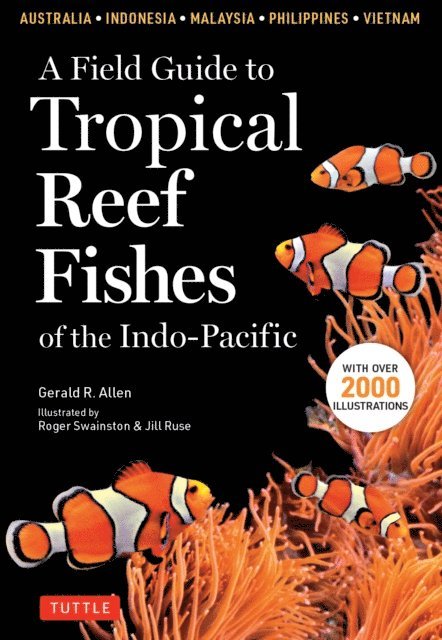
Now available in the US, this is the revised and expanded fifth edition of a book that has been the standard reference work for divers, anglers and scientists for over 30 years.The new edition covers 1,670 fish species found in the seas of tropical Southeast Asia, the Southern Pacific islands and Australia—including the Great Barrier Reef, Malaysia, Indonesia, Thailand, Vietnam and the Philippines.A must-have reference for divers, marine biologists, ecologists, commercial fisheries and sports anglers, this book includes a comprehensive identification guide to the families of reef fishes, with a definitive index. An informative and detailed Introduction includes area coverage; faunal composition; biology, behavior and ecology of reef fishes; classification of fishes, and much more.Originally published as Marine Fishes of South-East Asia, this edition contains numerous revisions in nomenclature affecting both the scientific Latin names and common names of the region''s fishes. In all cases these have been made to reflect the current universally-accepted terminology. The common names in this book are the result of a recent initiative undertaken by the Australian Government and Seafood Services Australia.Each species is depicted in detailed, full-color illustrations by noted marine artists Roger Swainston and Jill Ruse, including over 35 new species. In many cases, the illustrations show both male and female examples.With more than 2,000 illustrations and 29 color photographs, this definitive field guide will continue to be an invaluable resource for professionals and hobbyists alike.
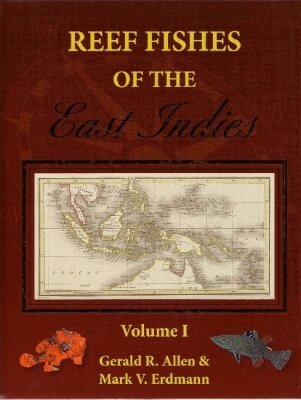
This is a long-overdue revision and expansion of what has become a classic book in marine literature. This lavishly illustrated volume provides exhaustive coverage of more than 90 percent of the region's reef fishes. Every species is thoroughly illustrated, including photographs of the juvenile, female and male in species that vary in appearance during their development. Besides the wide array of underwater and diagnostic laboratory photographs, the book also contains seven plates painted by the talented natural-history artist Roger Swainston. With an additional 32 pages and 90 photos (covering 60 new species in all), this revised and expanded edition will enable even a beginning layman to identify most of the region's reef fishes. Divers, anglers, underwater naturalists and professional biologists are equally catered to.
The Togeans are a picturesque group of islands in the large Tomini Bay of Central Sulawesi, with coral reefs known for their vast biodiversity and rich marine resources. The Togean-Banggai archipelago was declared a marine tourist park in 1990, but fears exist about its long-term protection, and many organizations are working in concert to improve regional development planning and natural resource management, including community-protected areas. This rapid assessment offers an idea of the many species of fish, coral and other marine life present in the region, collecting the raw data necessary to ensure conservation efforts are informed and efficient.
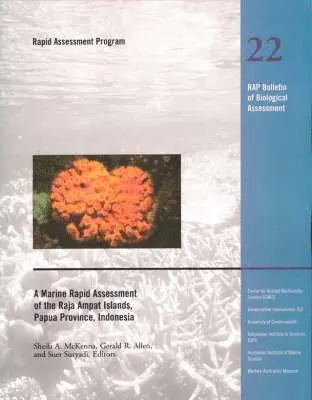
The Raja Ampat islands are another example of a highly diverse coral ecosystem under threat. Such regions stand out not only because of their species richness, endemism and habitat level diversity, but also because of their relatively pristine condition. Yet portions of these coral ecosystems face imminent destruction and degradation because of over-fishing or destructive fishing, pollution, population growth and the urbanization of coastlines. This rapid assessment catalogs the current biological state of the Raja Ampat islands and assess potential threats.
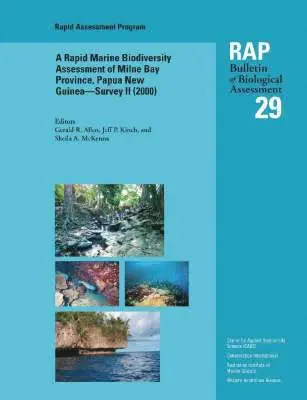
Based on Conservation International's successful terrestrial biological survey approach, the Marine Rapid Assessment Program's goal is to rapidly generate and disseminate information on coastal and near-shore shallow-water marine biodiversity. Its surveys yield appropriate and realistic recommendations for conservation—and have, at times, resulted in the finding of new species.This marine assessment surveys the coral reefs of Papua New Guinea's Milne Bay Province, which plays an integral role in sustaining coastal communities and represents an important component of the nation's rich natural heritage. Until recently, this environment was under minimal stress, threatened only by a small human population. Now, however, there are increasing signs of habitat degradation due to land-based activities and over-harvesting of sedentary marine resources. Milne Bay Province contains some of the best examples of undisturbed coral reefs in the entire Coral Triangle region, making it vitally important for both government agencies and communities to respond to these threats.
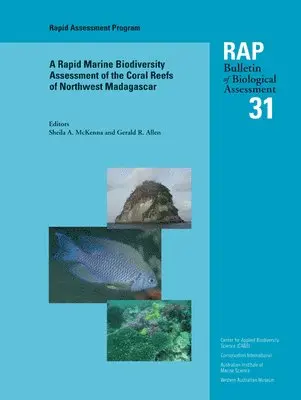
This volume, #31 in the series, reports the results of a marine survey in 2002 off the northwestern coast of Madagascar. This marine area is one that many conservationists think has the greatest potential in all of Madagascar for the development of both ecotourism and marine protected areas. The survey documented a rich variety of coral, mollusk, and fish species, and the report makes further recommendations for conservation in the region.