214 kr
Kommande
214 kr
Kommande
2 526 kr
Skickas inom 10-15 vardagar
622 kr
Skickas inom 10-15 vardagar
716 kr
Skickas inom 10-15 vardagar
305 kr
Skickas inom 7-10 vardagar
198 kr
Skickas inom 3-6 vardagar
788 kr
Skickas inom 7-10 vardagar
945 kr
Läs direkt efter köp
2 602 kr
Skickas inom 10-15 vardagar
852 kr
Skickas inom 10-15 vardagar
281 kr
Skickas inom 10-15 vardagar
146 kr
Skickas inom 7-10 vardagar
727 kr
Läs direkt efter köp
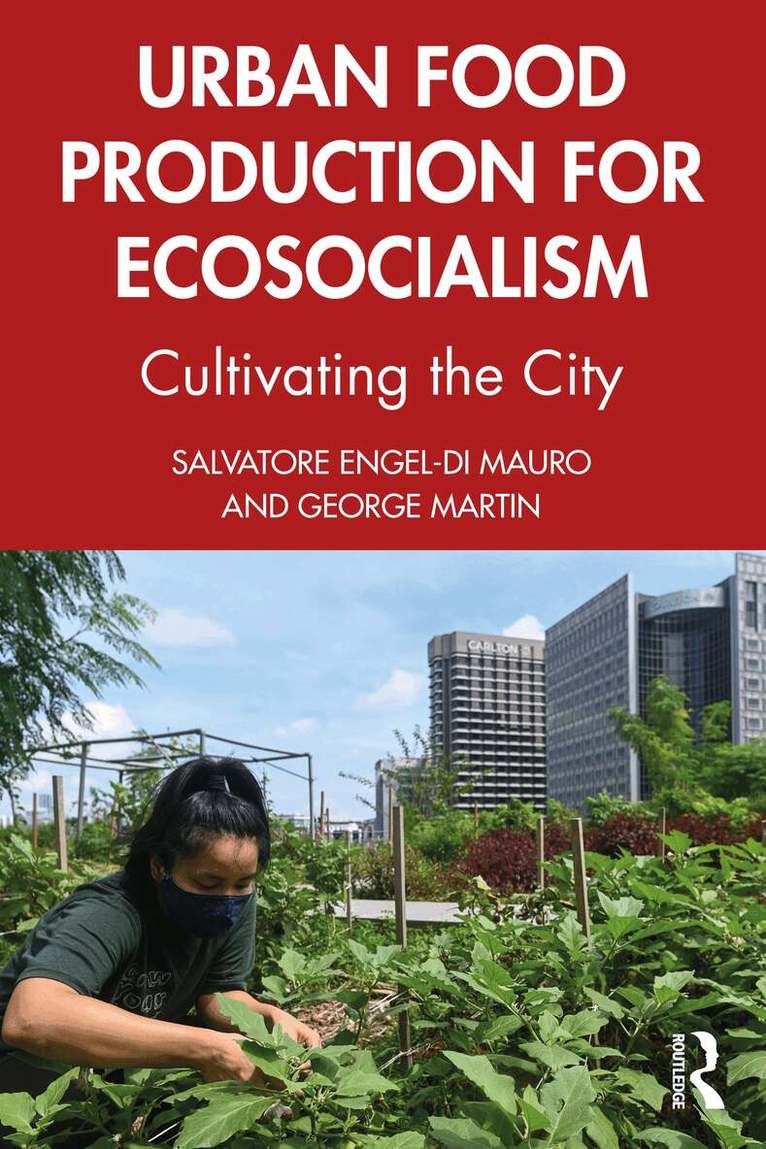
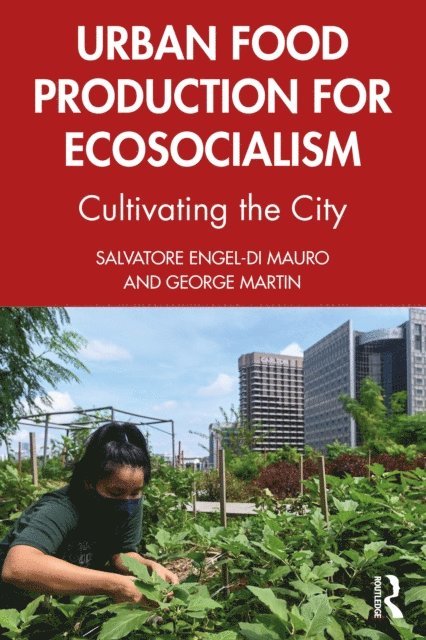
This book explores the critical role of urban food production in strengthening communities and in building ecosocialism. It integrates theory and practice, drawing on several local case studies from seven countries across four continents: China, Cuba, Ghana, Italy, Tanzania, the UK, and the US.
Research shows that the term "urban agriculture" overstates the limited food-growing potential in cities due to a shortage of land required for growing grains, the basic human food staple. For this reason, the book suggests "urban cultivation" as an appropriate term which indicates social and political progress achieved through combined labours of urbanites to produce food. It examines how these collaborative food-growing efforts help raise local social capital, foster community organisation, and create ecological awareness in order to promote urban food production while also ensuring environmental sustainability. This book illustrates how urban cultivation constitutes a potentially important aspect of urban ecosystems, as well as offers solutions to current environmental problems. It recentres attention to the global South and debunks Eurocentric narratives, challenging capitalist commercial food-growing regimes and encouraging ecosocialist food-growing practices.
Written in an accessible style, this book is recommended reading about an emergent issue which will interest students and scholars of environmental studies, geography, sociology, urban studies, politics, and economics.
456 kr
Skickas inom 7-10 vardagar
309 kr
Skickas inom 7-10 vardagar
496 kr
Skickas inom 7-10 vardagar
379 kr
Skickas inom 7-10 vardagar
229 kr
Skickas inom 7-10 vardagar
398 kr
Skickas inom 7-10 vardagar
164 kr
Läs direkt efter köp
321 kr
Skickas inom 7-10 vardagar
11 kr
Läs direkt efter köp
11 kr
Läs direkt efter köp
1 751 kr
Skickas inom 7-10 vardagar
796 kr
Läs direkt efter köp
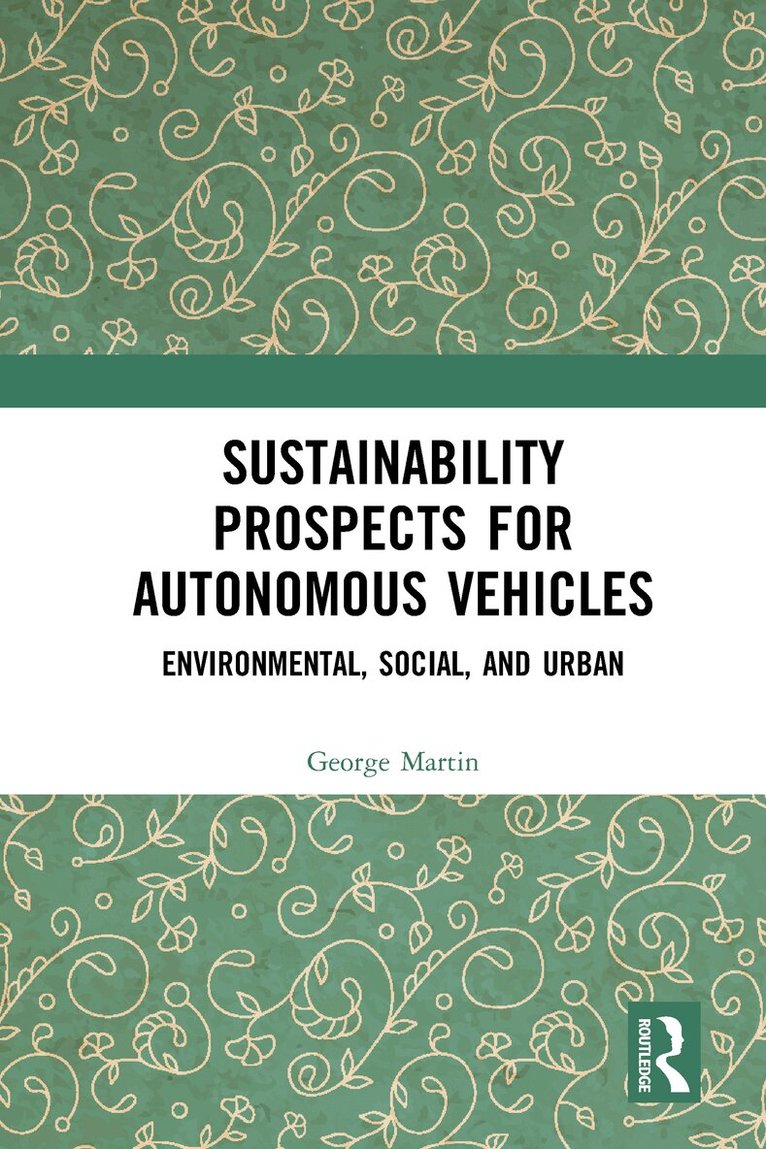
The Autonomous Vehicle (AV) has been strongly heralded as the most exciting innovation in automobility for decades. Autonomous Vehicles are no longer an innovation of the future (seen only in science fiction) but are now being road-tested for use. And yet while the technical and economic success and possibilities of the AV have been widely debated, there has been a notable lack of discussion around the social, behavioural, and environmental implications. This book is the first to address these issues and to deeply consider the environmental and social sustainability outlook for the AV and how it will impact on communities. Environmental and social sustainability are goals unlike those of technical development (a new tool) and economic development (a new investment). The goal of sustainability is development of societies that live well and equitably within their ecological limits. Is it reasonable and desirable that only technical and economic success comprise the swelling AV parade, or should we be looking at the wider impacts on personal well-being, wider society, and the environment?
The uptake for AVs looks to be lengthy, disjointed, and episodic, in large measure because it faces a range of known unknown risks. This book assesses the environmental and social sustainability potential for AVs based on their prospective energy use and their impacts on climate change, urban landscapes, public health, mobility inequalities, and individual and social well-being. It examines public attitudes about AV use and its risk of fostering a rebound effect that compromises potential sustainability gains. The book concludes with a discussion of critical issues involved in sustainable AV diffusion.
808 kr
Läs direkt efter köp
The Autonomous Vehicle (AV) has been strongly heralded as the most exciting innovation in automobility for decades. Autonomous Vehicles are no longer an innovation of the future (seen only in science fiction) but are now being road-tested for use. And yet while the technical and economic success and possibilities of the AV have been widely debated, there has been a notable lack of discussion around the social, behavioural, and environmental implications. This book is the first to address these issues and to deeply consider the environmental and social sustainability outlook for the AV and how it will impact on communities. Environmental and social sustainability are goals unlike those of technical development (a new tool) and economic development (a new investment). The goal of sustainability is development of societies that live well and equitably within their ecological limits. Is it reasonable and desirable that only technical and economic success comprise the swelling AV parade, or should we be looking at the wider impacts on personal well-being, wider society, and the environment?
The uptake for AVs looks to be lengthy, disjointed, and episodic, in large measure because it faces a range of known unknown risks. This book assesses the environmental and social sustainability potential for AVs based on their prospective energy use and their impacts on climate change, urban landscapes, public health, mobility inequalities, and individual and social well-being. It examines public attitudes about AV use and its risk of fostering a rebound effect that compromises potential sustainability gains. The book concludes with a discussion of critical issues involved in sustainable AV diffusion.
11 kr
Läs direkt efter köp
363 kr
Skickas inom 7-10 vardagar
467 kr
Skickas inom 3-6 vardagar