139 kr
Skickas
139 kr
Skickas
213 kr
Skickas inom 7-10 vardagar
315 kr
Skickas inom 7-10 vardagar
300 kr
Skickas inom 7-10 vardagar
280 kr
Skickas inom 7-10 vardagar
293 kr
Skickas inom 7-10 vardagar
382 kr
Skickas inom 7-10 vardagar
327 kr
Skickas inom 3-6 vardagar
317 kr
Skickas inom 7-10 vardagar
285 kr
Skickas inom 3-6 vardagar
214 kr
Skickas inom 3-6 vardagar
210 kr
Läs direkt efter köp
232 kr
Skickas inom 3-6 vardagar
173 kr
Läs direkt efter köp
161 kr
Läs direkt efter köp
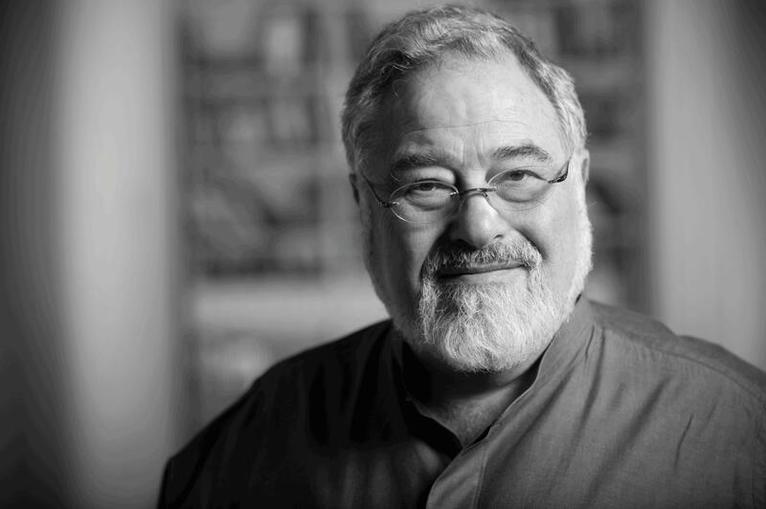
“[Lakoff is] the father of framing.”—The New York Times
“An indispensable tool for progressives—packed with new thinking on framing issues that are hotly debated right now."—Jennifer M. Granholm, former governor of Michigan
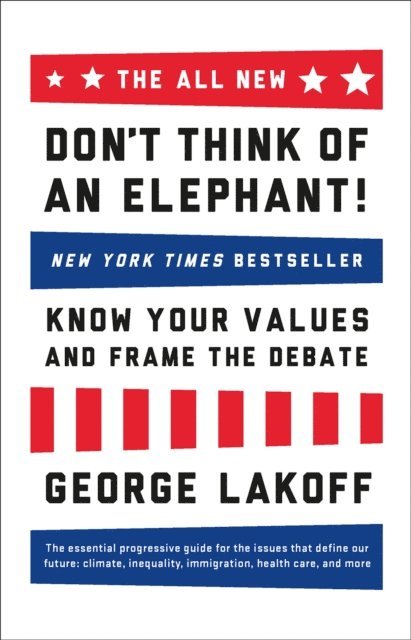
Ten years after writing the definitive, international bestselling book on political debate and messaging, George Lakoff returns with new strategies about how to frame today’s essential issues.
Called the “father of framing” by The New York Times, Lakoff explains how framing is about ideas—ideas that come before policy, ideas that make sense of facts, ideas that are proactive not reactive, positive not negative, ideas that need to be communicated out loud every day in public.
The ALL NEW Don’t Think of an Elephant! picks up where the original book left off—delving deeper into how framing works, how framing has evolved in the past decade, how to speak to people who harbor elements of both progressive and conservative worldviews, how to counter propaganda and slogans, and more.
In this updated and expanded edition, Lakoff, urges progressives to go beyond the typical laundry list of facts, policies, and programs and present a clear moral vision to the country—one that is traditionally American and can become a guidepost for developing compassionate, effective policy that upholds citizens’ well-being and freedom.
145 kr
Skickas inom 3-6 vardagar
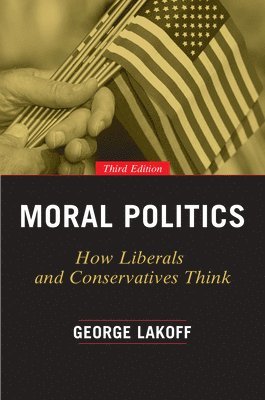
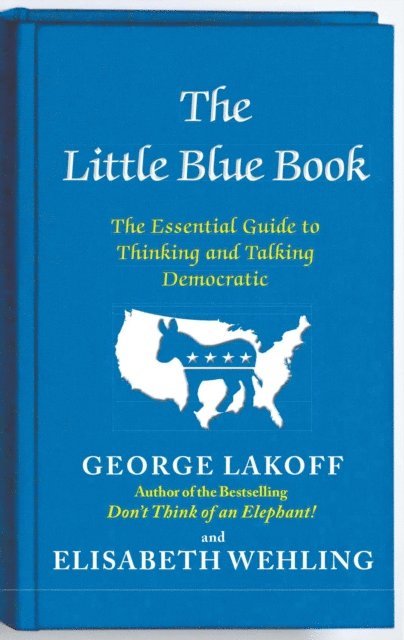
At first glance, issues like economic inequality, healthcare, climate change, and abortion seem unrelated. However, when thinking and talking about them, people reliably fall into two camps: conservative and liberal. What explains this divide? Why do conservatives and liberals hold the positions they do? And what is the conceptual nature of those who decide elections, commonly called the "political middle"?
The answers are profound. They have to do with how our minds and brains work. Political attitudes are the product of what cognitive scientists call Embodied Cognition — the grounding of abstract thought in everyday world experience. Clashing beliefs about how to run nations largely arise from conflicting beliefs about family life: conservatives endorse a strict father and liberals a nurturant parent model. So-called “middle” voters are not in the middle at all. They are morally biconceptual, divided between both models, and as a result highly susceptible to moral political persuasion.
In this brief introduction, Lakoff and Wehling reveal how cognitive science research has advanced our understanding of political thought and language, forcing us to revise common folk theories about the rational voter.
308 kr
Skickas inom 3-6 vardagar
366 kr
Skickas inom 3-6 vardagar
215 kr
Läs direkt efter köp
636 kr
Tillfälligt slut