701 kr
Läs direkt efter köp
701 kr
Läs direkt efter köp
750 kr
Läs direkt efter köp
636 kr
Läs direkt efter köp
588 kr
Läs direkt efter köp
745 kr
Läs direkt efter köp
786 kr
Läs direkt efter köp
606 kr
Skickas inom 11-20 vardagar
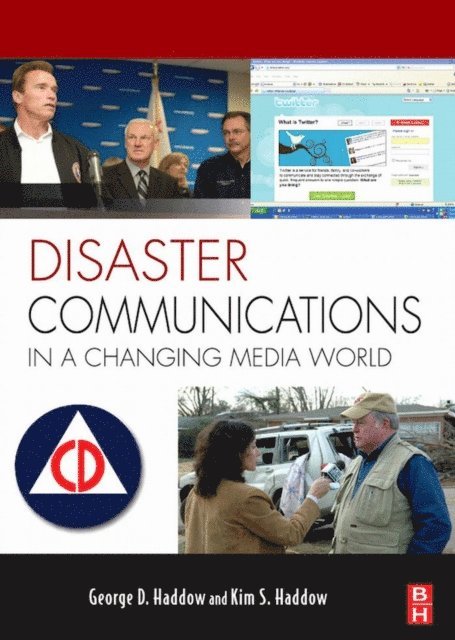
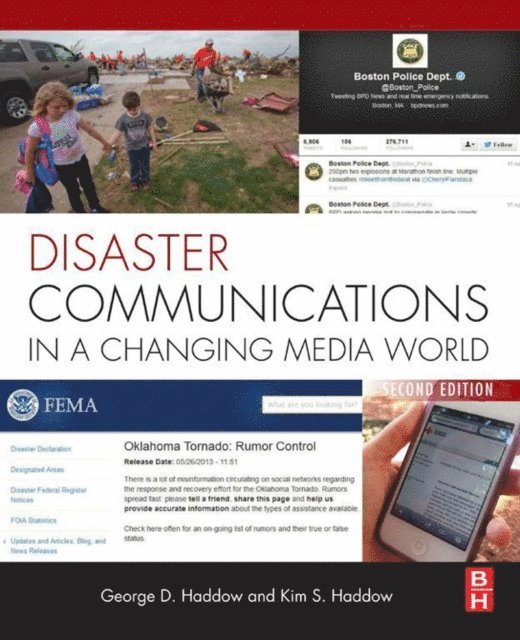
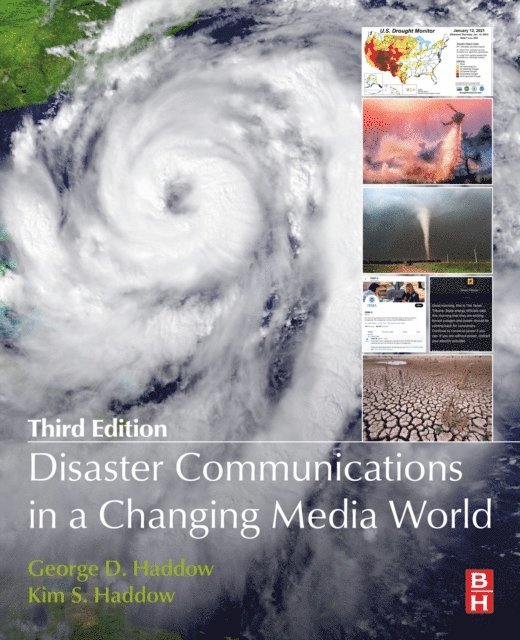
Communications are key to the success of disaster mitigation, preparedness, response, and recovery. Accurate information disseminated to the general public, to elected officials and community leaders, as well as to the media, reduces risk, saves lives and property, and speeds recovery. Disaster Communications in a Changing Media World, Second Edition, provides valuable information for navigating these priorities in the age of evolving media. The emergence of new media like the Internet, email, blogs, text messaging, cell phone photos, and the increasing influence of first informers are redefining the roles of government and media.
The tools and rules of communications are evolving, and disaster communications must also evolve to accommodate these changes and exploit the opportunities they provide. Disaster Communications in a Changing Media World, Second Edition, illuminates the path to effective disaster communication, including the need for transparency, increased accessibility, trustworthiness and reliability, and partnerships with the media.
Includes case studies from recent disasters including Hurricane Sandy, the 2011 tsunami in Japan, and the Boston Marathon bombings Demonstrates how to use blogs, text messages, and cell phone cameras, as well as government channels and traditional media, to communicate during a crisis Examines current social media programs conducted by FEMA, the American Red Cross, state and local emergency managers, and the private sector Updated information in each chapter, especially on how social media has emerged as a force in disaster communications576 kr
Läs direkt efter köp
679 kr
Läs direkt efter köp
648 kr
Läs direkt efter köp
844 kr
Läs direkt efter köp
701 kr
Läs direkt efter köp
1 058 kr
Läs direkt efter köp
1 074 kr
Läs direkt efter köp
1 046 kr
Skickas inom 11-20 vardagar
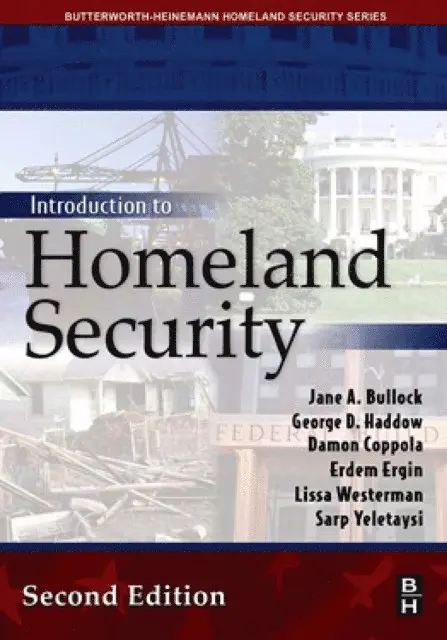
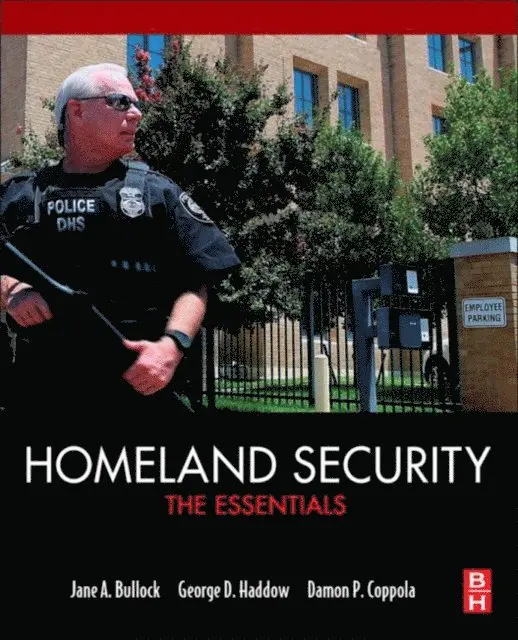
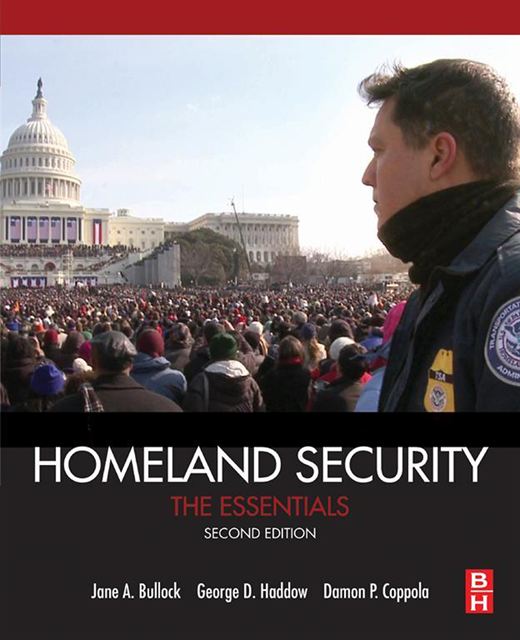
Homeland Security: The Essentials, Second Edition concisely outlines the risks facing the US today and the structures we have put in place to deal with them. The authors expertly delineate the bedrock principles of preparing for, mitigating, managing, and recovering from emergencies and disasters.
From cyberwarfare, to devastating tornadoes, to car bombs, all hazards currently fall within the purview of the Department of Homeland Security, yet the federal role must be closely aligned with the work of partners in the private sector.
The book lays a solid foundation for the study of present and future threats to our communities and to national security, also challenging readers to imagine more effective ways to manage these risks.
Highlights and expands on key content from the bestselling book Introduction to Homeland Security Concisely delineates the bedrock principles of preparing for, mitigating, managing, and recovering from emergencies and disasters Provides coverage of the Boston Marathon bombing Explains the border security, immigration, and intelligence functions in detail Analyzes the NIST Cybersecurity Framework for critical infrastructure protection Explores the emergence of social media as a tool for reporting on homeland security issues1 048 kr
Läs direkt efter köp
1 098 kr
Skickas inom 10-15 vardagar
1 437 kr
Läs direkt efter köp
1 474 kr
Läs direkt efter köp
664 kr
Skickas inom 11-20 vardagar
916 kr
Läs direkt efter köp
1 270 kr
Skickas inom 10-15 vardagar
1 229 kr
Läs direkt efter köp
511 kr
Skickas inom 11-20 vardagar
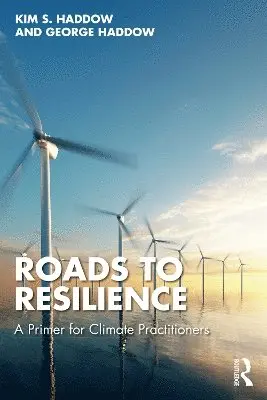
America is getting serious about combatting the causes of the climate crisis, adapting to a climate-altered world and building resilience to future climate shocks. The steep increase in the frequency and severity of climate-related disasters over the last decade has been met with fresh approaches, unprecedented resources and an expanded set of stakeholders. America is no longer debating whether to reduce emissions or to adapt to the effects of a changing environment. The nation now recognizes and is acting on the need to do both.
This push to mitigate and adapt has given birth to new federal, regional, Tribal, state and local initiatives and strategies, raised calls for climate justice and demands for industry accountability. These demands for climate action have also spawned new industries, technologies and professions, elevated local frontline organizations and redirected philanthropic investments.
This book, The Road to Resilience: A Primer for Climate Practitioners, is designed to provide would-be and working climate practitioners and professionals with the information, examples and tools they need now to protect lives and property and to develop and implement the plans, programs and practices needed for our nation to survive and thrive.
2 723 kr
Läs direkt efter köp
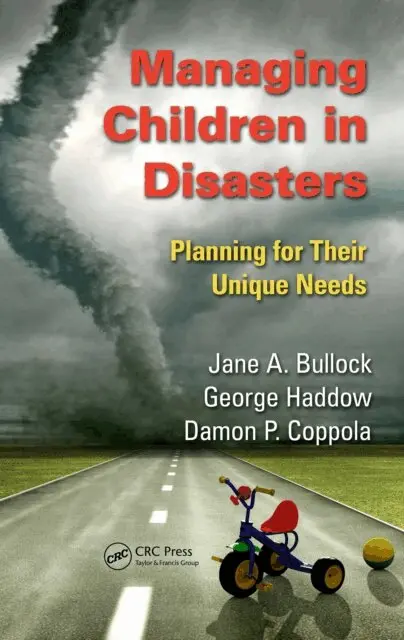
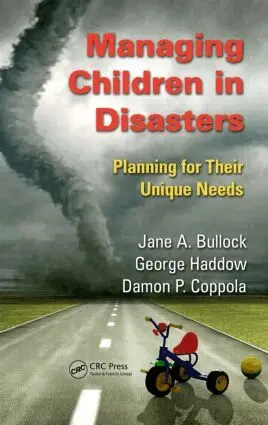
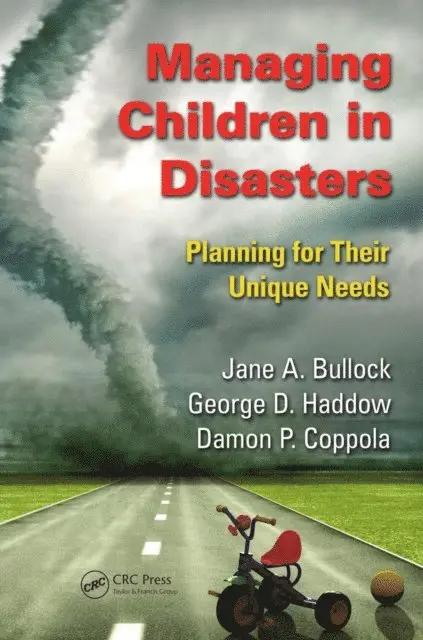
Each year, disasters such as house fires, car accidents, tsunamis, earthquakes, and hurricanes impact hundreds of thousands of children. Child victims can suffer disproportionately and the physical and psychological damage sustained can far outweigh the same effects in adults, often requiring years of therapy. Sadly, emergency planners to date have largely failed to adequately recognize and accommodate the particular requirements of children in times of disaster.
Identify Needs
Highlighting the infrastructure that supports children in a safe and secure community, Managing Children in Disasters begins by identifying the special needs of children, including physical security, emotional stability, family unity, and ongoing education. It looks at how hazard mitigation actions can reduce the long- term impact of a disaster on this infrastructure, and outlines the many steps that can be taken by parents, emergency managers, school officials, and child care providers to prepare for a future incident.
Target Resources
The book reviews what agencies and organizations can do to ensure that children are protected and families remain intact. It examines evacuation plans and processes, emergency shelters, and the recovery and rebuilding process. The final chapter provides a list of resources in emergency planning, psychosocial recovery, training and education courses, technical assistance, and other organizations. It includes examples of existing programs, reports, sample plans, and guides written for children.
Offering guidance for the family and community, this book discusses the types of efforts that can be undertaken in all phases of emergency management including preparation, immediate response, and recovery.
1 513 kr
Läs direkt efter köp
3 847 kr
Skickas inom 10-15 vardagar
1 308 kr
Skickas inom 10-15 vardagar
2 550 kr
Skickas inom 10-15 vardagar
2 744 kr
Läs direkt efter köp
Each year, disasters such as house fires, car accidents, tsunamis, earthquakes, and hurricanes impact hundreds of thousands of children. Child victims can suffer disproportionately and the physical and psychological damage sustained can far outweigh the same effects in adults, often requiring years of therapy. Sadly, emergency planners to date have largely failed to adequately recognize and accommodate the particular requirements of children in times of disaster.
Identify Needs
Highlighting the infrastructure that supports children in a safe and secure community, Managing Children in Disasters begins by identifying the special needs of children, including physical security, emotional stability, family unity, and ongoing education. It looks at how hazard mitigation actions can reduce the long- term impact of a disaster on this infrastructure, and outlines the many steps that can be taken by parents, emergency managers, school officials, and child care providers to prepare for a future incident.
Target Resources
The book reviews what agencies and organizations can do to ensure that children are protected and families remain intact. It examines evacuation plans and processes, emergency shelters, and the recovery and rebuilding process. The final chapter provides a list of resources in emergency planning, psychosocial recovery, training and education courses, technical assistance, and other organizations. It includes examples of existing programs, reports, sample plans, and guides written for children.
Offering guidance for the family and community, this book discusses the types of efforts that can be undertaken in all phases of emergency management including preparation, immediate response, and recovery.