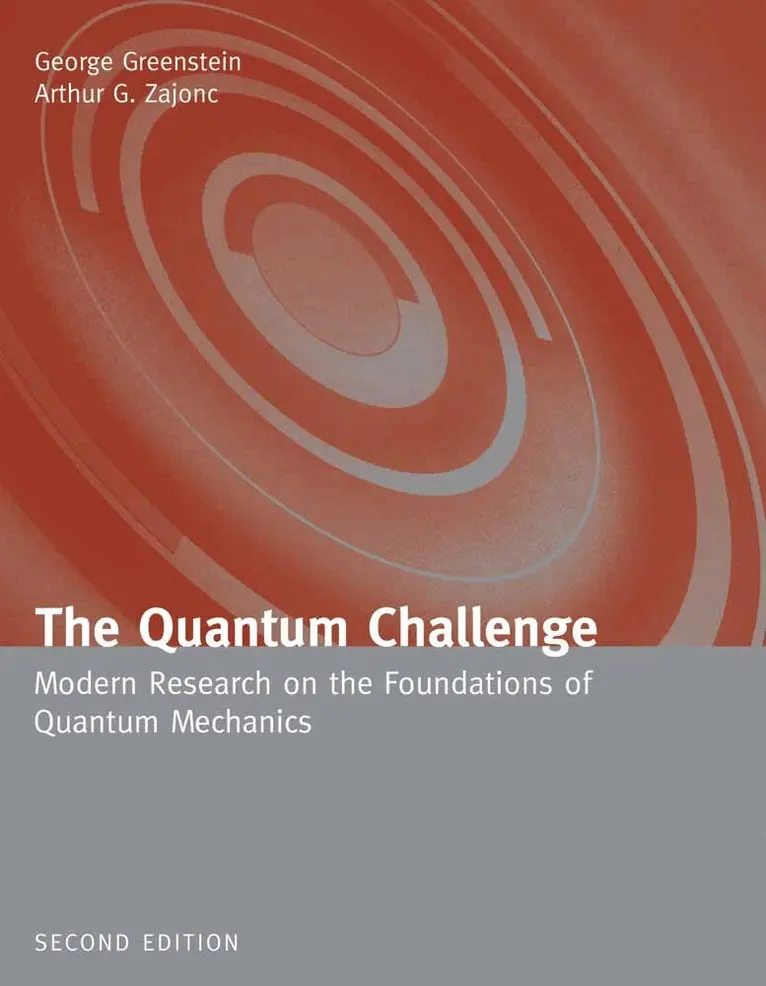
The Quantum Challenge, Second Edition, is an engaging and thorough treatment of the extraordinary phenomena of quantum mechanics and of the enormous challenge they present to our conception of the physical world. Traditionally, the thrill of grappling with such issues is reserved for practicing scientists, while physical science, mathematics, and engineering students are often isolated from these inspiring questions. This book was written to remove this isolation.
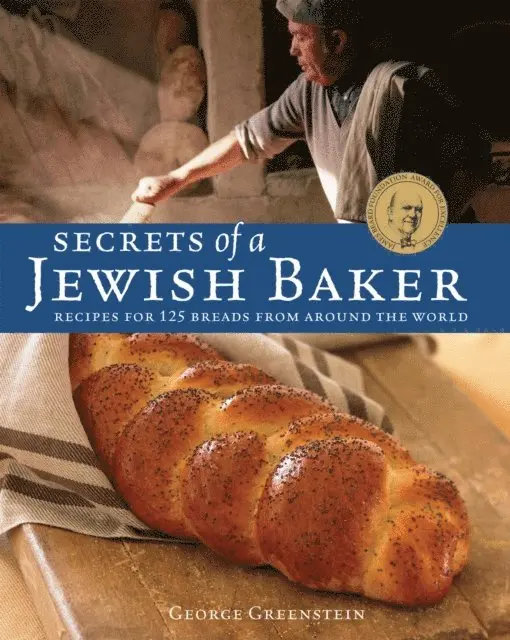
For more than twenty years, George Greenstein owned and operated a Long Island bakery that produced all sorts of baked goods, from all sorts of ethnic traditions—focaccia and Irish soda bread, Bavarian pumpernickel and naan—including many from his own culture, such as Jewish corn bread, challah, and bagels. His bakery was one of those neighborhood treasures where every weekday evening commuters picked up brown paper bags filled with a dozen Vienna rolls straight from the oven, and every weekend morning lines extended out the door for hours.In this James Beard Award-winning cookbook, Greenstein reveals 125 recipes for the yeasted and quick breads that have been handed down through his family by three generations of bakers—the breads that made his bakery so well-loved for so many years. And now that most neighborhood bakeries like Greenstein''s are long since closed, this classic collection serves not only to teach bakers everywhere how to make those delicious, classic breads, but it also preserves authentic versions of the included Jewish recipes for all to enjoy.With the same helpful features that made this a cherished cookbook upon its original publication—separate instructions for mixing each recipe by hand, food processor, and stand mixer; tips for baking a week''s worth of bread in as few as two hours; invaluable baker''s secrets; and a very approachable style throughout—this revised edition also includes twelve new recipes to satisfy both old fans and new. So bring the spirit of that great old bakery back to life right in your very own kitchen, filling every room of your house with the wonderful aroma of freshly baked bread. And rest assured you''ll bake with ease and success every time, thanks to George and his long-learned, very happily shared SECRETS OF A JEWISH BAKER.
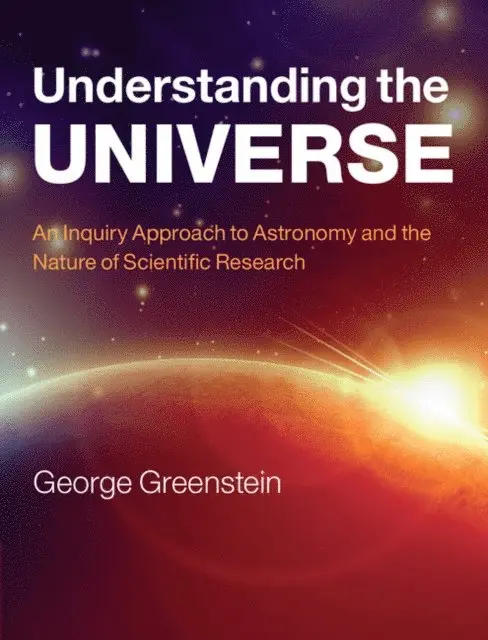
A student-active introduction to astronomy, emphasizing inquiry learning so students will clearly understand our universe and the scientific method. Within-text and end-of-chapter questions check understanding of concepts and require the student to think critically through astronomy-based problems. ''Nature of Science'' and ''Detectives on the Case'' sections in each chapter encourage students to take on the role of a scientist and so develop an understanding of how scientific progress is made, leading students through a chain of arguments of forming and testing hypotheses, in the context of specific astronomical topics. By focusing on key topics, the student is able to develop a deeper understanding of the core areas of astronomy. Math is used to make intuitive points and kept simple by using a two-track system to first describe the logic of the calculation followed by a more detailed example. Simple illustrations support the text and step students through concepts visually.
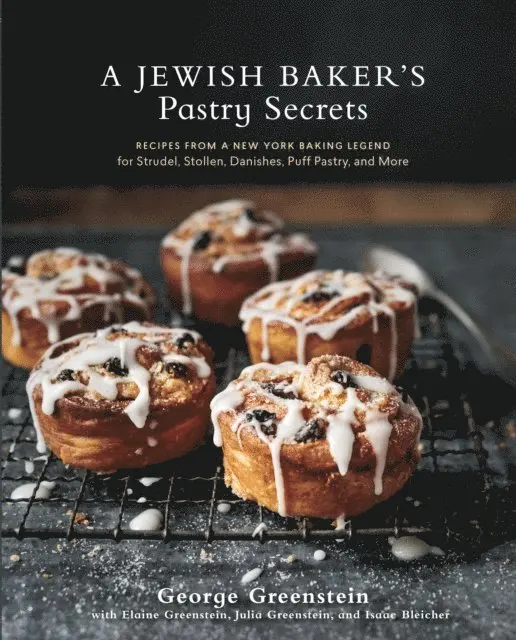
This follow-up to the author''s James Beard award-winning Secrets of a Jewish Bakeris a charming collection of European-style bakery classics, such as coffee cake and strudel. George Greenstein has a gift for teaching home bakers to think, work, and bake like the pros with his evocative and tactile descriptions of baking. In A Jewish Baker''s Pastry Secrets, he crafts master dough recipes for Jewish holiday baking and European classics, creating a comprehensive set of building blocks for both beginners and baking enthusiasts. Greenstein''s expert guidance for making doughs like bundt, babka, strudel, gugelhopf, stollen, pressburger, puff pastry, and Danish create a jumping-off point for more than 200 variations of classic pastries, including napoleons, coffee cakes, and sweet buns. The book also offers an in-depth guide to ingredients and equipment, including both professional and home ovens, as well as 40 basic recipes for fillings, icings, and glazes. With Greenstein''s steady guidance and familiar voice, home bakers and professionals alike will be encouraged to turn out flawless pastry creations for any occasion.
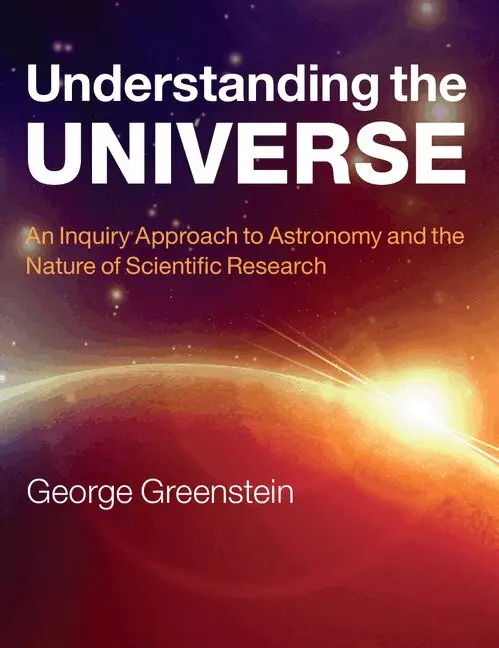
A student-active introduction to astronomy, emphasizing inquiry learning so students will clearly understand our universe and the scientific method. Within-text and end-of-chapter questions check understanding of concepts and require the student to think critically through astronomy-based problems. 'Nature of Science' and 'Detectives on the Case' sections in each chapter encourage students to take on the role of a scientist and so develop an understanding of how scientific progress is made, leading students through a chain of arguments of forming and testing hypotheses, in the context of specific astronomical topics. By focusing on key topics, the student is able to develop a deeper understanding of the core areas of astronomy. Math is used to make intuitive points and kept simple by using a two-track system to first describe the logic of the calculation followed by a more detailed example. Simple illustrations support the text and step students through concepts visually.