569 kr
Skickas inom 3-6 vardagar
569 kr
Skickas inom 3-6 vardagar
439 kr
Skickas inom 7-10 vardagar
378 kr
Skickas inom 7-10 vardagar
298 kr
Skickas inom 7-10 vardagar
693 kr
Läs direkt efter köp
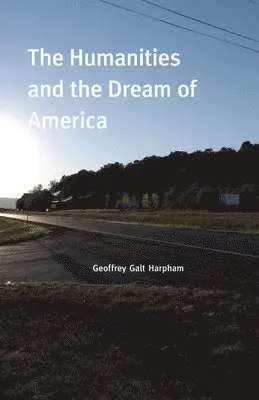
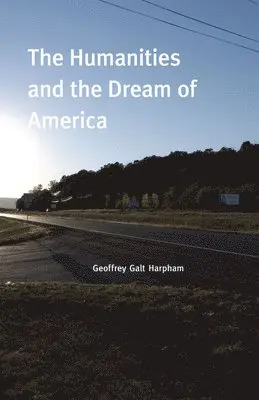
In this bracing and original book, Geoffrey Galt Harpham argues that today’s humanities are an invention of the American academy in the years following World War II, when they were first conceived as an expression of American culture and an instrument of American national interests. The humanities portray a “dream of America” in two senses: they represent an aspiration of Americans since the first days of the Republic for a state so secure and prosperous that people could enjoy and appreciate culture for its own sake; and they embody in academic terms an idealized conception of the American national character. Although they are struggling to retain their status in America, the concept of the humanities has spread to other parts of the world and remains one of America''s most distinctive and valuable contributions to higher education.
The Humanities and the Dream of America explores a number of linked problems that have emerged in recent years: the role, at once inspiring and disturbing, played by philology in the formation of the humanities; the reasons for the humanities’ perpetual state of “crisis”; the shaping role of philanthropy in the humanities; and the new possibilities for literary study offered by the subject of pleasure. Framed by essays that draw on Harpham’s pedagogical experiences abroad and as a lecturer at the U.S. Air Force Academy, as well as his vantage as director of the National Humanities Center, this book provides an essential perspective on the history, ideology, and future of this important topic.
855 kr
Skickas inom 7-10 vardagar
255 kr
Skickas inom 7-10 vardagar
560 kr
Läs direkt efter köp
2 628 kr
Skickas inom 10-15 vardagar
840 kr
Skickas inom 7-10 vardagar
2 934 kr
Skickas inom 10-15 vardagar
757 kr
Skickas inom 10-15 vardagar
339 kr
Skickas inom 10-15 vardagar
441 kr
Läs direkt efter köp
441 kr
Läs direkt efter köp
746 kr
Läs direkt efter köp
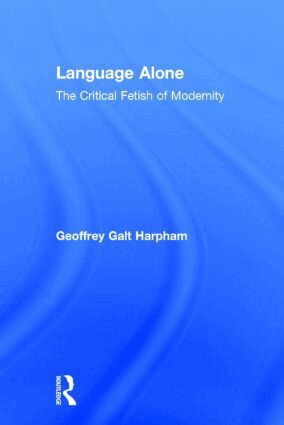
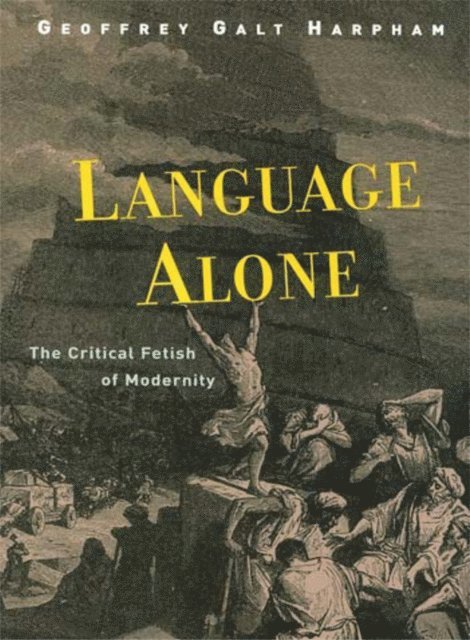
How did the concept of language come to dominate modern intellectual history? In Language Alone, Geoffrey Galt Harpham provides at once the most comprehensive survey and most telling critique of the pervasive role of language in modern thought. He shows how thinkers in such diverse fields as philosophy, psychoanalysis, anthropology, and literary theory have made progress by referring their most difficult theoretical problems to what they presumed were the facts of language.Through a provocative reassessment of major thinkers on the idea of language-Saussure, Wittgenstein, Derrida, Rorty, and Chomsky, among them-and detailed accounts of the discourses of ethics and ideology in particular, Harpham demonstrates a remarkable consensus among intellectuals of the past century and beyond that philosophical and other problems can best be understood as linguistic problems. And furthermore, that a science of language can therefore illuminate them. Conspicuously absent from this consensus, he shows, is any consideration of contemporary linguistics, or any awareness of the growing agreement among linguists that the nature of language as such cannot be known.Ultimately, Harpham argues, the thought of language has dominated modern intellectual history because of its singular capacity to serve as a proxy for a host of concerns, questions, and anxieties-our place in the order of things, our rights and obligations, our nature or essence-that resist a strictly rational formulation. Language Alone will interest literary critics, philosophers, and anyone with an interest in the uses of language in contemporary thought.
870 kr
Läs direkt efter köp
How did the concept of language come to dominate modern intellectual history? In Language Alone, Geoffrey Galt Harpham provides at once the most comprehensive survey and most telling critique of the pervasive role of language in modern thought. He shows how thinkers in such diverse fields as philosophy, psychoanalysis, anthropology, and literary theory have made progress by referring their most difficult theoretical problems to what they presumed were the facts of language.Through a provocative reassessment of major thinkers on the idea of language-Saussure, Wittgenstein, Derrida, Rorty, and Chomsky, among them-and detailed accounts of the discourses of ethics and ideology in particular, Harpham demonstrates a remarkable consensus among intellectuals of the past century and beyond that philosophical and other problems can best be understood as linguistic problems. And furthermore, that a science of language can therefore illuminate them. Conspicuously absent from this consensus, he shows, is any consideration of contemporary linguistics, or any awareness of the growing agreement among linguists that the nature of language as such cannot be known.Ultimately, Harpham argues, the thought of language has dominated modern intellectual history because of its singular capacity to serve as a proxy for a host of concerns, questions, and anxieties-our place in the order of things, our rights and obligations, our nature or essence-that resist a strictly rational formulation. Language Alone will interest literary critics, philosophers, and anyone with an interest in the uses of language in contemporary thought.
857 kr
Läs direkt efter köp
Why are some critical texts more compelling, memorable, or engaging than others? Can criticism be judged as a discourse of description, explanation, and analysis alone, or do our evaluations reflect other kinds of investments in it? In this book, Geoffrey Galt Harpham argues that the most powerful and effective criticism demands to be read as an expression of a distinctive sensibility, a way of being in the world; it demands, in other words, to be read as a discourse of character. Through a series of detailed and intimate intellectual portraits of leading critics--Elaine Scarry, Martha Nussbaum, Slavoj Zizek, and Edward Said--Harpham unfolds the complex and indirect ways in which human character is expressed in criticism. A final chapter on Criticism in a State of Terror assesses the contemporary situation. The Character of Criticism represents not just a snapshot of contemporary criticism but a fresh approach to criticism itself that clarifies the stakes involved for writers and readers of criticism alike. It does so not by making difficult thinking easy but by making it stranger--more idiosyncratic, exotic, and singular.
1 512 kr
Skickas inom 7-10 vardagar
384 kr
Skickas inom 7-10 vardagar
786 kr
Tillfälligt slut
1 315 kr
Tillfälligt slut
306 kr
Tillfälligt slut