761 kr
761 kr
1 318 kr
Skickas inom 10-15 vardagar
2 601 kr
Skickas inom 10-15 vardagar
1 123 kr
Skickas inom 10-15 vardagar
1 123 kr
Skickas inom 10-15 vardagar
1 502 kr
Läs direkt efter köp
2 571 kr
Skickas inom 10-15 vardagar
663 kr
Skickas inom 10-15 vardagar
644 kr
Skickas inom 10-15 vardagar
2 497 kr
Skickas inom 10-15 vardagar
641 kr
Skickas inom 10-15 vardagar
2 601 kr
Skickas inom 10-15 vardagar
2 571 kr
Skickas inom 10-15 vardagar
2 601 kr
Skickas inom 10-15 vardagar
791 kr
Skickas inom 10-15 vardagar
656 kr
Skickas inom 10-15 vardagar
785 kr
Läs direkt efter köp
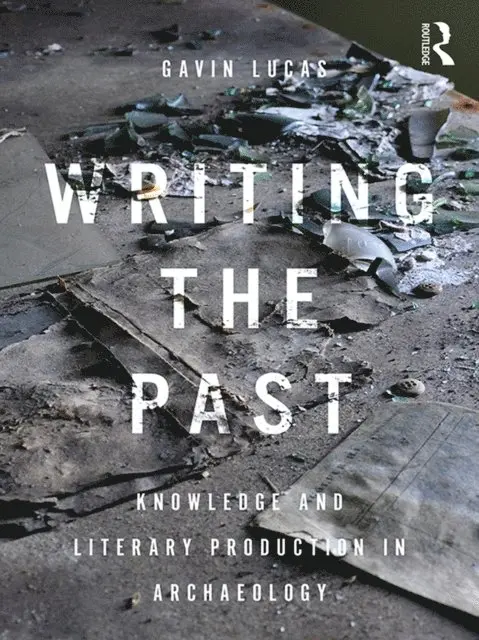
How do archaeologists make knowledge? Debates in the latter half of the twentieth century revolved around broad, abstract philosophies and theories such as positivism and hermeneutics which have all but vanished today. By contrast, in recent years there has been a great deal of attention given to more concrete, practice-based study, such as fieldwork. But where one was too abstract, the other has become too descriptive and commonly evades issues of epistemic judgement.
Writing the Past attempts to reintroduce a normative dimension to knowledge practices in archaeology, especially in relation to archaeological practice further down the ‘assembly line’ in the production of published texts, where archaeological knowledge becomes most stabilized and is widely disseminated. By exploring the composition of texts in archaeology and the relation between their structural, performative characteristics and key epistemic virtues, this book aims to move debate in both knowledge and writing practices in a new direction.
Although this book will be of particular interest to archaeologists, the argument offered has relevance for all academic disciplines concerned with how knowledge production and textual composition intertwine.

785 kr
Läs direkt efter köp
How do archaeologists make knowledge? Debates in the latter half of the twentieth century revolved around broad, abstract philosophies and theories such as positivism and hermeneutics which have all but vanished today. By contrast, in recent years there has been a great deal of attention given to more concrete, practice-based study, such as fieldwork. But where one was too abstract, the other has become too descriptive and commonly evades issues of epistemic judgement.
Writing the Past attempts to reintroduce a normative dimension to knowledge practices in archaeology, especially in relation to archaeological practice further down the ‘assembly line’ in the production of published texts, where archaeological knowledge becomes most stabilized and is widely disseminated. By exploring the composition of texts in archaeology and the relation between their structural, performative characteristics and key epistemic virtues, this book aims to move debate in both knowledge and writing practices in a new direction.
Although this book will be of particular interest to archaeologists, the argument offered has relevance for all academic disciplines concerned with how knowledge production and textual composition intertwine.
502 kr
Skickas inom 7-10 vardagar
757 kr
Läs direkt efter köp
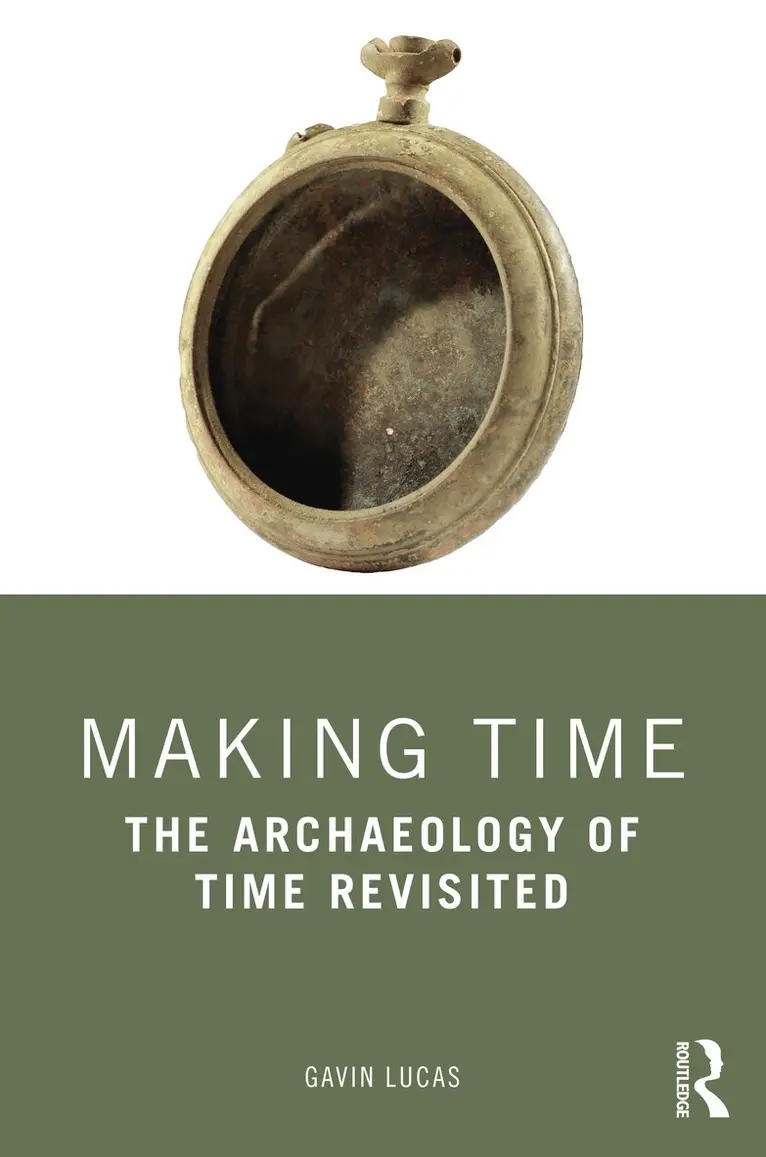
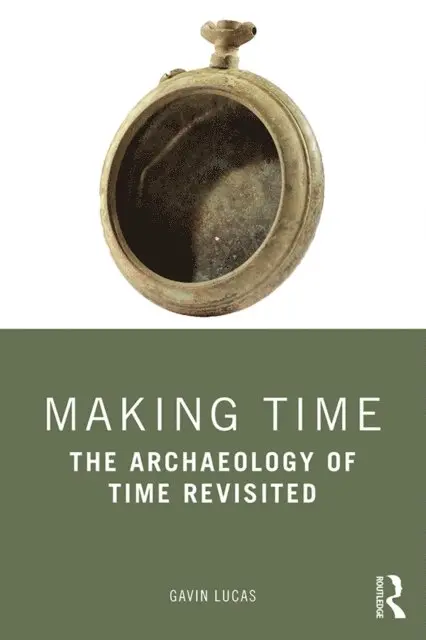
Making Time grapples with a range of issues that have crystallized in the wake of 15 years of discussion on time in archaeology, since the author''s seminal volume The Archaeology of Time, synthesizing them for a new generation of scholars.
The general understanding of time held by both archaeologists and non-archaeologists is often very simple: a linear notion where time flows along a single path from the past into the future. This book sets out to complicate this image, to draw out the key problems and issues with time that impact archaeological interpretation. Using concrete examples drawn from different periods and places, the book challenges the reader to think again. Ultimately, the book will suggest that if we want to understand what archaeological time is, then we need to accept that things do not exist in time, they make time. The crucial question then becomes: what kinds of time do archaeological materialities produce?
Written for upper level undergraduates and researchers in archaeology, the book is also accessible to non-academics with an interest in the topic. The book is relevant for cognate disciplines, especially history, heritage studies and philosophy.
762 kr
Läs direkt efter köp
Making Time grapples with a range of issues that have crystallized in the wake of 15 years of discussion on time in archaeology, since the author''s seminal volume The Archaeology of Time, synthesizing them for a new generation of scholars.
The general understanding of time held by both archaeologists and non-archaeologists is often very simple: a linear notion where time flows along a single path from the past into the future. This book sets out to complicate this image, to draw out the key problems and issues with time that impact archaeological interpretation. Using concrete examples drawn from different periods and places, the book challenges the reader to think again. Ultimately, the book will suggest that if we want to understand what archaeological time is, then we need to accept that things do not exist in time, they make time. The crucial question then becomes: what kinds of time do archaeological materialities produce?
Written for upper level undergraduates and researchers in archaeology, the book is also accessible to non-academics with an interest in the topic. The book is relevant for cognate disciplines, especially history, heritage studies and philosophy.
443 kr
Läs direkt efter köp
This book presents a conversation between two prominent archaeologists who have been exploring the concept of time in their discipline for several decades. It is a discussion on key issues of time in archaeology filtered through their unique perspectives, which sometimes meet and at other times, clash.
Key features include discussions on the nature of change and time in the archaeological record, the relation between the present and past, the connection between time and the goals of archaeology and the relevance of the Anthropocene to disciplinary practice. Situated in how the authors'' own views on the topic of time have developed over their careers, the conversation offers an intimate and personal insight into how two leading scholars think and debate a topic of central importance to the discipline.
All archaeologists with an interest in contemporary theory and the topic of time will find this book of relevance. Also the student who wants a front-row seat onto a live debate on this topic will find it an invaluable complement to the more traditional textbook.
749 kr
Läs direkt efter köp
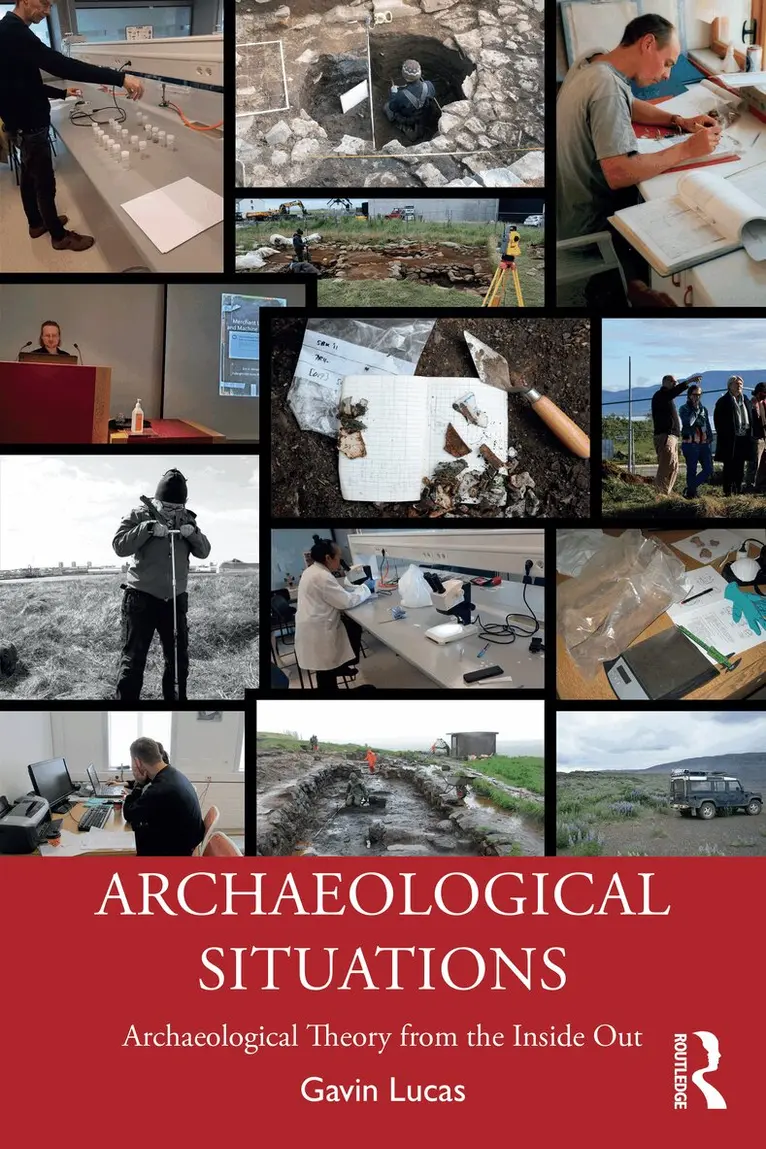
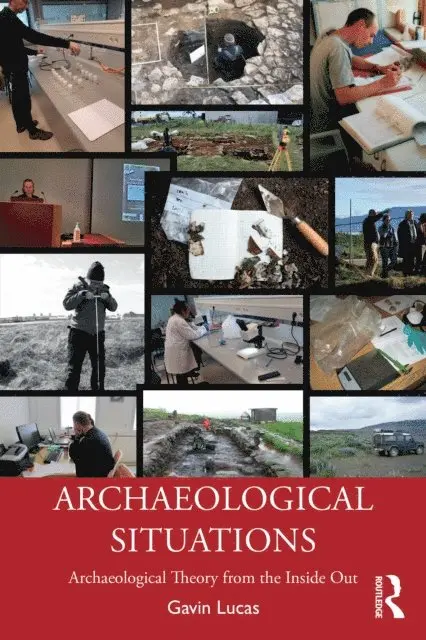
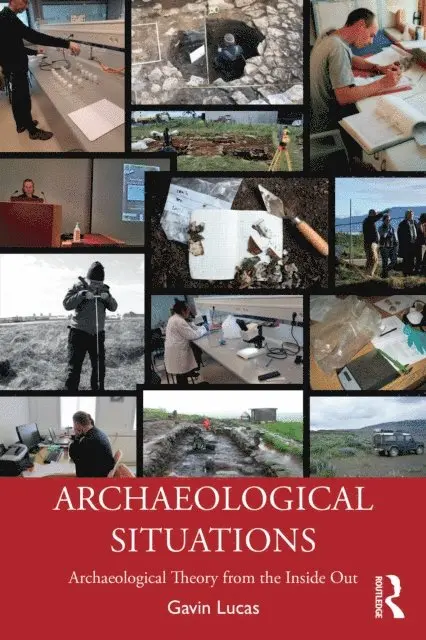
This book is an introduction to theory in archaeology – but with a difference. Archaeological Situations avoids talking about theory as if it was something you apply but rather as something embedded in archaeological practice from the start.
Rather than see theory as something worked from the outside in, this book explores theory from the inside out, which means it focuses on specific archaeological practices rather than specific theories. It starts from the kinds of situations that students find themselves in and learn about in other archaeology courses, avoiding the gap between practice and theory from the very beginning. It shows students the theoretical implications of almost everything they engage in as archaeologists, from fieldwork, recording, writing up and making and assessing an argument to exploring the very nature of archaeology and justifying its relevance. Essentially, it adopts a structure which attempts to pre-empt one of the most common complaints of students taking theory courses: how is this applicable?
Aimed primarily at undergraduates, this book is the ideal way to engage students with archaeological theory.
1 028 kr
Skickas inom 10-15 vardagar
383 kr
Skickas inom 10-15 vardagar
668 kr
2 602 kr
Skickas inom 10-15 vardagar
792 kr
Skickas inom 10-15 vardagar