308 kr
Skickas
308 kr
Skickas
617 kr
Skickas inom 10-15 vardagar
192 kr
Läs direkt efter köp
624 kr
Läs direkt efter köp
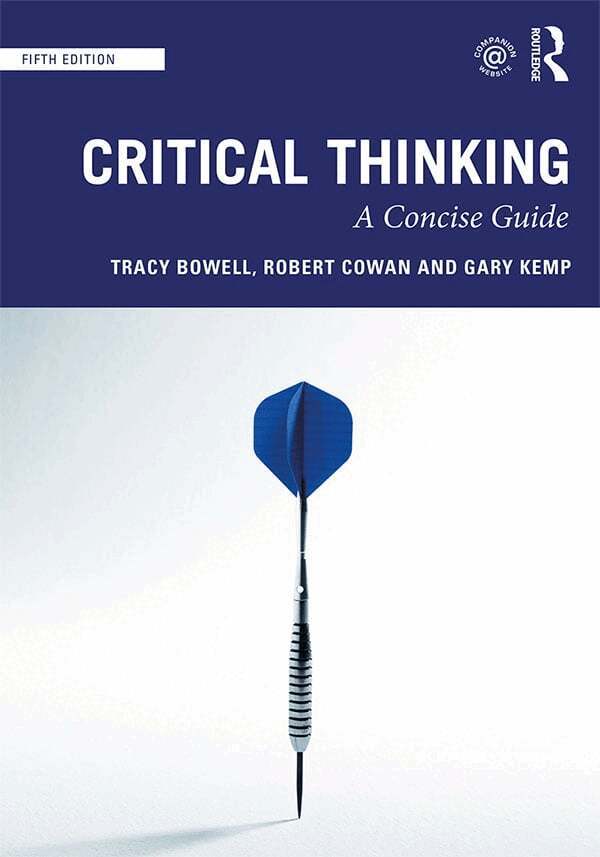
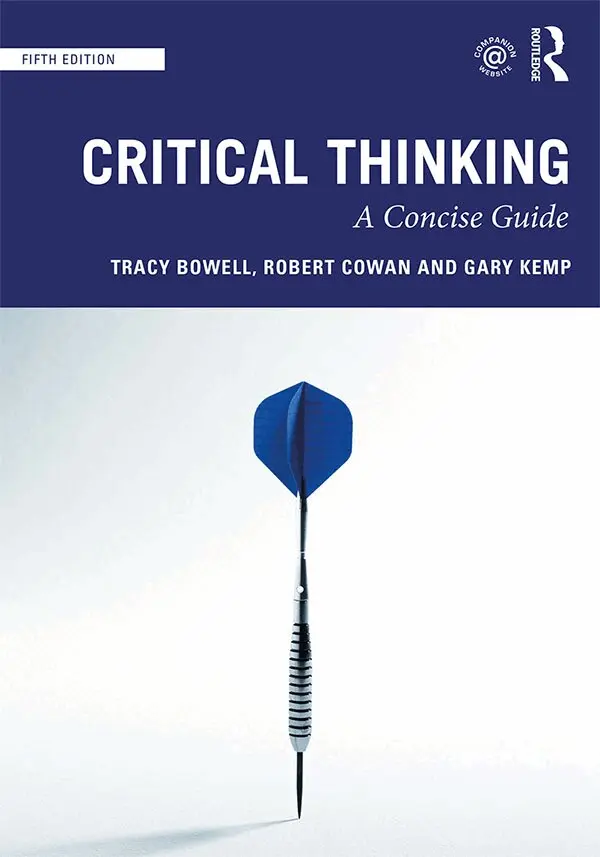
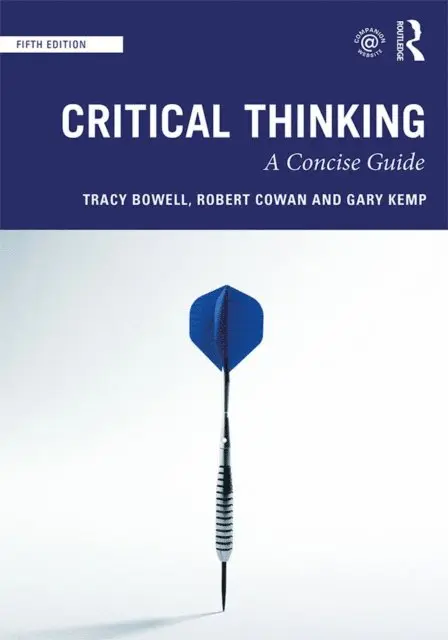
We are frequently confronted with arguments. Arguments are attempts to persuade us – to influence our beliefs and actions – by giving us reasons to believe this or that. Critical Thinking: A Concise Guide will equip students with the concepts and techniques used in the identification, analysis and assessment of arguments whatever the subject matter or context. Through precise and accessible discussion, this book provides the tools to become a successful critical thinker, one who can act and believe in accordance with good reasons, and who can articulate and make explicit those reasons.
Key topics discussed include:
Core concepts in argumentation How language can serve to obscure or conceal the real content of arguments How to distinguish argumentation from rhetoric How to avoid common confusions surrounding words such as ‘truth’, ‘knowledge’ and ‘opinion’ How to identify and evaluate the most common types of argument How to distinguish good reasoning from bad in terms of deductive validity and induction.
This fifth edition has been revised and extensively updated throughout, including a significantly expanded range of ‘complete examples’, the introduction of Venn diagrams and the discussion of fake news and related phenomena arising in the contemporary scene.
The dynamic Routledge Critical Thinking companion website provides thoroughly updated resources for both instructors and students, including new examples and case studies, flashcards, sample questions, practice questions and answers, student activities and a testbank of questions for use in the classroom. Visit www.routledge.com/cw/bowell.
150 kr
Skickas inom 7-10 vardagar
86 kr
Läs direkt efter köp
219 kr
Lyssna direkt efter köp
1 009 kr
Läs direkt efter köp
1 610 kr
Skickas inom 7-10 vardagar
739 kr
Skickas inom 10-15 vardagar
2 515 kr
Skickas inom 10-15 vardagar
1 563 kr
Skickas inom 10-15 vardagar
403 kr
Skickas inom 10-15 vardagar
745 kr
Läs direkt efter köp
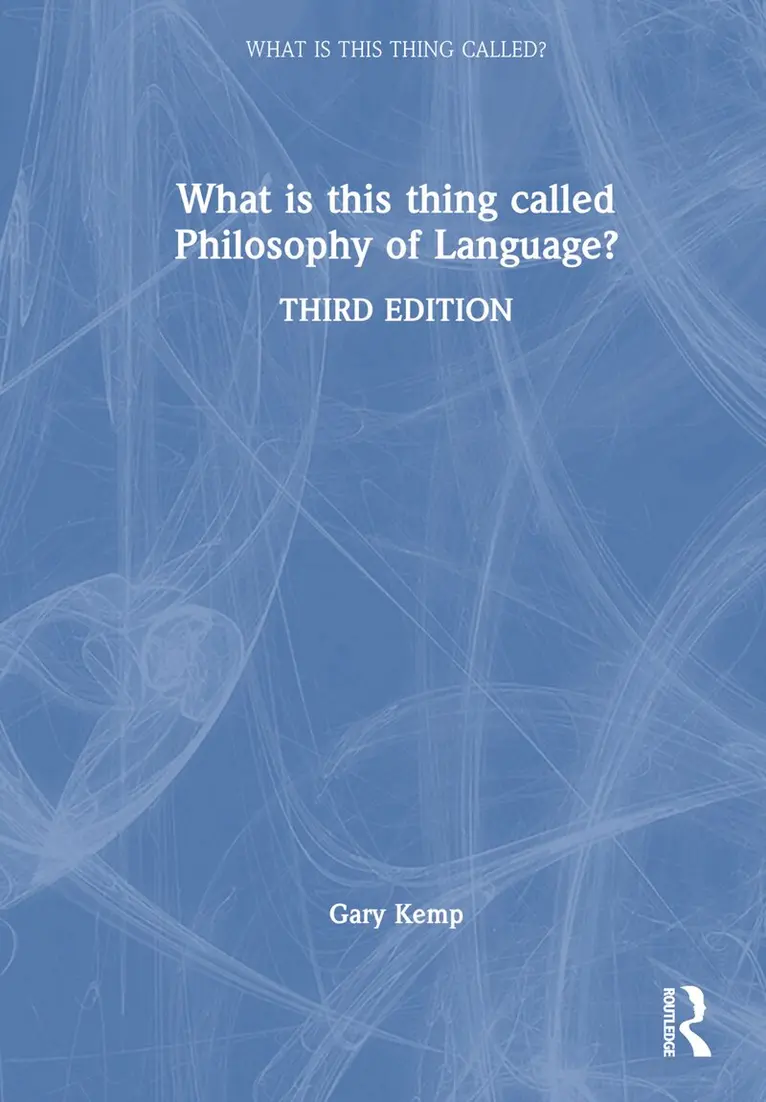
Philosophy of language explores some of the most abstract yet most fundamental questions in philosophy. The ideas of some of the subject''s great founding figures, such as Gottlob Frege, Ludwig Wittgenstein and Bertrand Russell, as well as of more recent figures such as Saul Kripke and Hilary Putnam, are central to a great many philosophical debates to this day and are widely studied. In this clear and carefully structured introduction to the subject Gary Kemp explains the following key topics:
the basic nature of philosophy of language, its concepts and its historical development Frege’s theory of sense and reference; Russell''s theory of definite descriptions Wittgenstein''s Tractatus, Ayer, and the Logical Positivists recent perspectives including Kripke, Kaplan, Putnam, Chomsky, Quine and Davidson; arguments concerning translation, necessity, indexicals, rigid designation and natural kinds the pragmatics of language, including speech-acts, presupposition and conversational implicature puzzles surrounding the propositional attitudes (sentences which ascribe beliefs to people) the challenges presented by the later Wittgenstein contemporary directions, including contextualism, fictional objects and the phenomenon of slursThe third edition has been thoroughly revised throughout and includes a new chapter on Noam Chomsky''s theory of Universal Grammar. In addition, the concluding chapter on modern directions in philosophy of language has been expanded to two chapters, and which now cover crucial emergent areas of study such as slurs, conceptual engineering and experimental philosophy.
Chapter summaries, annotated further reading and a glossary make What is this thing called Philosophy of Language? an indispensable introduction to those teaching philosophy of language and will be particularly useful for students coming to the subject for the first time.
740 kr
Läs direkt efter köp
Philosophy of language explores some of the most abstract yet most fundamental questions in philosophy. The ideas of some of the subject''s great founding figures, such as Gottlob Frege, Ludwig Wittgenstein and Bertrand Russell, as well as of more recent figures such as Saul Kripke and Hilary Putnam, are central to a great many philosophical debates to this day and are widely studied. In this clear and carefully structured introduction to the subject Gary Kemp explains the following key topics:
the basic nature of philosophy of language, its concepts and its historical development Frege’s theory of sense and reference; Russell''s theory of definite descriptions Wittgenstein''s Tractatus, Ayer, and the Logical Positivists recent perspectives including Kripke, Kaplan, Putnam, Chomsky, Quine and Davidson; arguments concerning translation, necessity, indexicals, rigid designation and natural kinds the pragmatics of language, including speech-acts, presupposition and conversational implicature puzzles surrounding the propositional attitudes (sentences which ascribe beliefs to people) the challenges presented by the later Wittgenstein contemporary directions, including contextualism, fictional objects and the phenomenon of slursThe third edition has been thoroughly revised throughout and includes a new chapter on Noam Chomsky''s theory of Universal Grammar. In addition, the concluding chapter on modern directions in philosophy of language has been expanded to two chapters, and which now cover crucial emergent areas of study such as slurs, conceptual engineering and experimental philosophy.
Chapter summaries, annotated further reading and a glossary make What is this thing called Philosophy of Language? an indispensable introduction to those teaching philosophy of language and will be particularly useful for students coming to the subject for the first time.
3 798 kr
Skickas inom 10-15 vardagar
3 798 kr
Skickas inom 10-15 vardagar
653 kr
Skickas inom 10-15 vardagar
2 602 kr
Skickas inom 10-15 vardagar
1 079 kr
Skickas inom 10-15 vardagar
1 539 kr
Läs direkt efter köp
2 761 kr
Skickas inom 10-15 vardagar
866 kr
Läs direkt efter köp
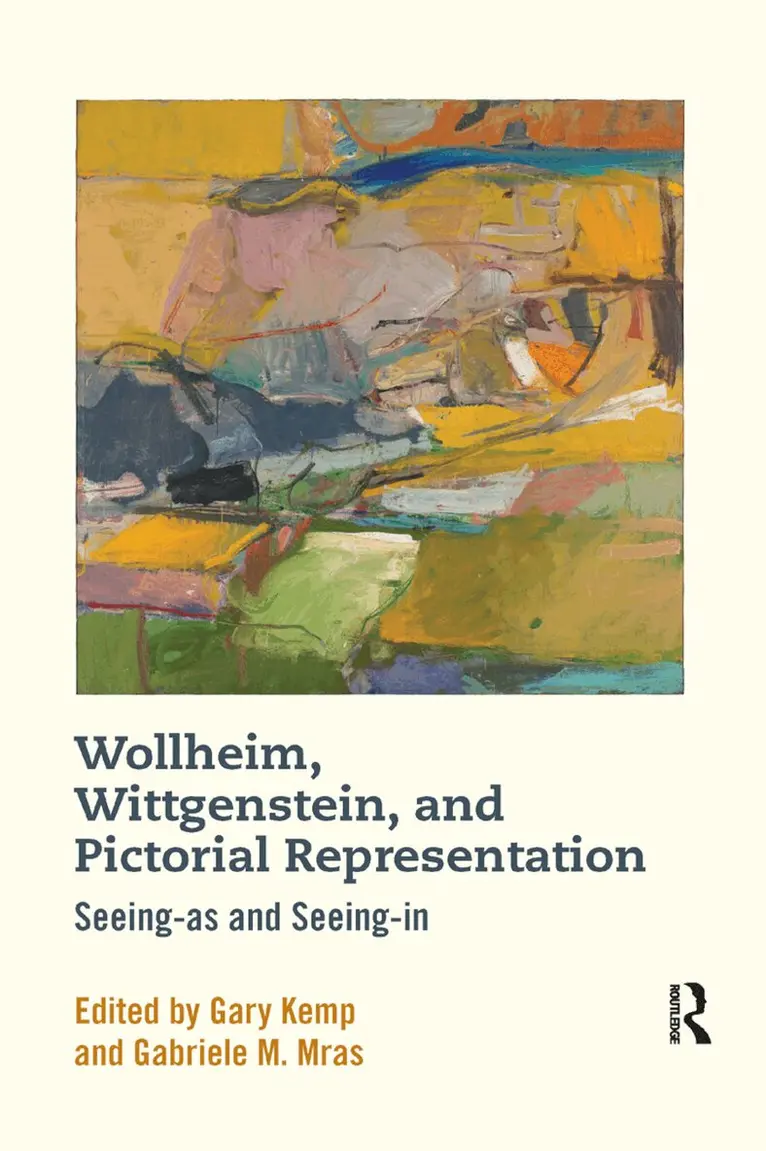
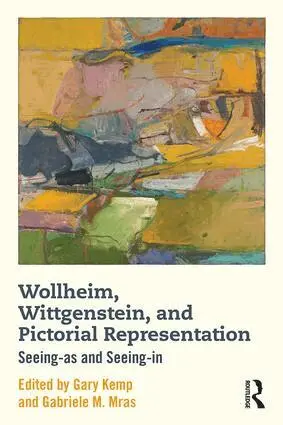
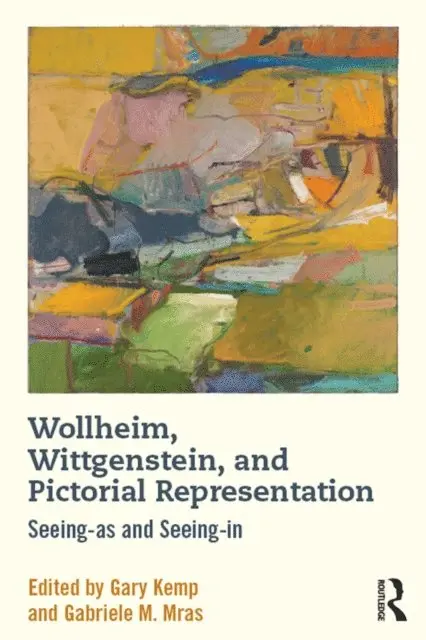
Pictorial representation is one of the core questions in aesthetics and philosophy of art. What is a picture? How do pictures represent things? This collection of specially commissioned chapters examines the influential thesis that the core of pictorial representation is not resemblance but ''seeing-in'', in particular as found in the work of Richard Wollheim.
We can see a passing cloud as a rabbit, but we also see a rabbit in the clouds. ''Seeing-in'' is an imaginative act of the kind employed by Leonardo’s pupils when he told them to see what they could - for example, battle scenes - in a wall of cracked plaster. This collection examines the idea of ''seeing-in'' as it appears primarily in the work of Wollheim but also its origins in the work of Wittgenstein. An international roster of contributors examine topics such as the contrast between seeing-in and seeing-as; whether or in what sense Wollheim can be thought of as borrowing from Wittgenstein; the idea that all perception is conceptual or propositional; the metaphor of figure and ground and its relation to the notion of ''two-foldedness''; the importance in art of emotion and the imagination.
Wollheim, Wittgenstein and Pictorial Representation: Seeing-as and Seeing-in is essential reading for students and scholars of aesthetics and philosophy of art, and also of interest to those in related subjects such as philosophy of mind and art theory.
301 kr
Skickas inom 10-15 vardagar
997 kr
Skickas inom 10-15 vardagar
318 kr
Läs direkt efter köp
328 kr
Läs direkt efter köp
624 kr
Läs direkt efter köp
We are frequently confronted with arguments. Arguments are attempts to persuade us – to influence our beliefs and actions – by giving us reasons to believe this or that. Critical Thinking: A Concise Guide will equip students with the concepts and techniques used in the identification, analysis and assessment of arguments whatever the subject matter or context. Through precise and accessible discussion, this book provides the tools to become a successful critical thinker, one who can act and believe in accordance with good reasons, and who can articulate and make explicit those reasons.
Key topics discussed include:
Core concepts in argumentation How language can serve to obscure or conceal the real content of arguments How to distinguish argumentation from rhetoric How to avoid common confusions surrounding words such as ‘truth’, ‘knowledge’ and ‘opinion’ How to identify and evaluate the most common types of argument How to distinguish good reasoning from bad in terms of deductive validity and induction.
This fifth edition has been revised and extensively updated throughout, including a significantly expanded range of ‘complete examples’, the introduction of Venn diagrams and the discussion of fake news and related phenomena arising in the contemporary scene.
The dynamic Routledge Critical Thinking companion website provides thoroughly updated resources for both instructors and students, including new examples and case studies, flashcards, sample questions, practice questions and answers, student activities and a testbank of questions for use in the classroom. Visit www.routledge.com/cw/bowell.
329 kr
Skickas inom 7-10 vardagar