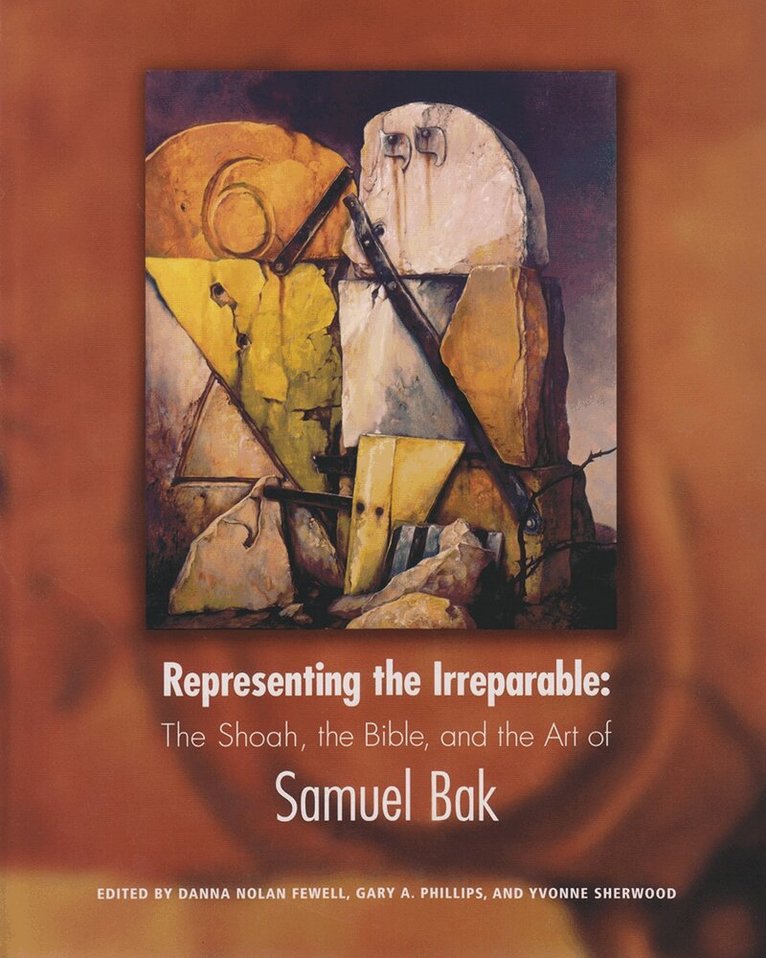
The art of Samuel Bak depicts a world destroyed and yet provisionally pieced back together. Across nearly seven decades of artistic production Samuel Bak has explored and reworked a set of metaphors, a visual grammar and vocabulary, that ultimately privileges questions. Bak's pictorial readings invite reconsideration of the Post-Reformation privileging of word over image, and of the Post-Enlightenment privileging of reason over experience. Bak preserves memory of the twentieth century ruination of Jewish life and culture by way of an artistic passion and precision that stubbornly announces the creativity of the human spirit.
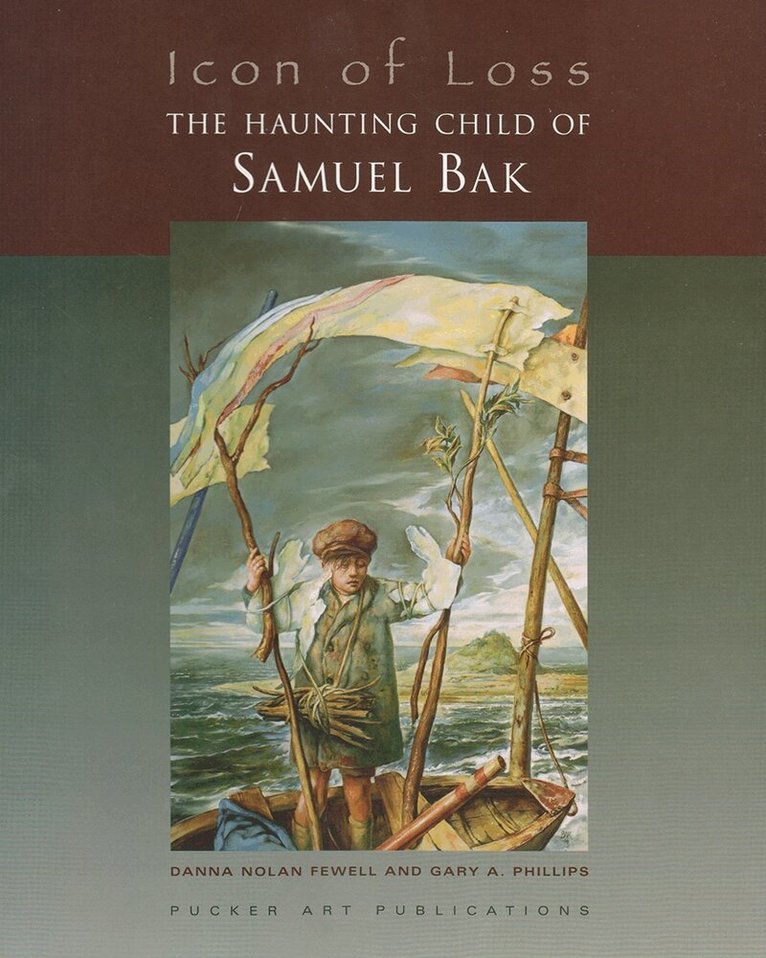
In this examination of Samuel Bak's most recent collection of paintings inspired by the little boy from the famous Stroop Report photo taken in the Warsaw Ghetto in April 1943, Gary A. Phillips and Danna Nolan Fewell consider the historical and visual implications of this iconic image and its contemporary evocations. A survivor of the Vilna liquidation and a child prodigy whose first exhibition was held in the Vilna Ghetto at age nine, Bak weaves together personal history and Jewish history to articulate an iconography of his Holocaust experience. Bak's art preserves memory of the twentieth-century ruination of Jewish life and culture by way of an artistic passion and precision that stubbornly announces the creativity of the human spirit.
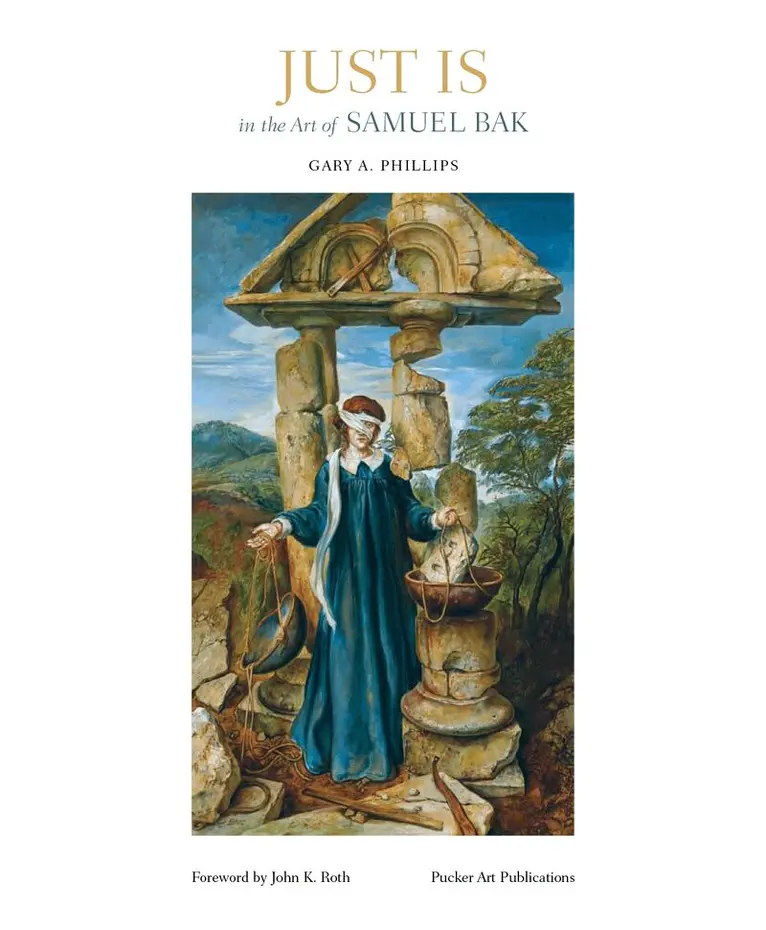
In this series of paintings and drawings, Lady Just Is appears in varying conditions, poses, and garbs juxtaposed with familiar biblical and secular symbols of covenant in states of ruination: faded and cobbled rainbows, disintegrating Mosaic tablets of law, unblinking and stony eyes, sagging and unkempt blindfolds, defunct and imbalanced scales. Presiding over a landscape of devastation, these images are a graphic reminder of the precariousness of justice, and how justice loses its agency when it turns a blind eye to, or even becomes actively complicit in, the worst injustices. But they are also a hopeful contravention against the emotional and physical wreckage, a reminder that the restoration of the world, tikkun olam, is possible through the gathering and reassembly of the shards. Lady Just Is, shown to us through the hand of the artist, seeks to engagethe viewer in a new moral law that stands squarely amid, not above or removed from, the destruction.