1 918 kr
Skickas inom 11-20 vardagar
1 918 kr
Skickas inom 11-20 vardagar
1 581 kr
Skickas inom 10-15 vardagar
918 kr
Läs direkt efter köp
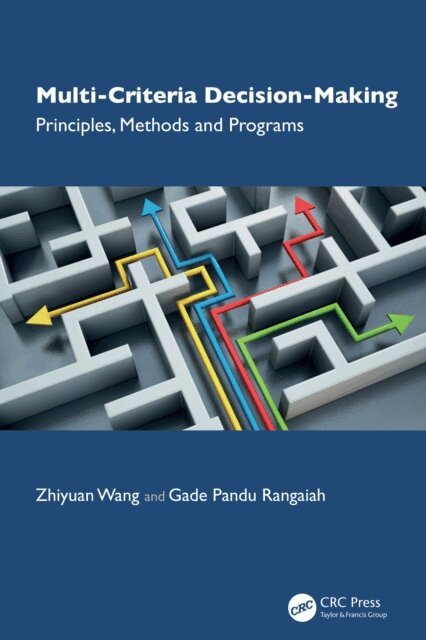
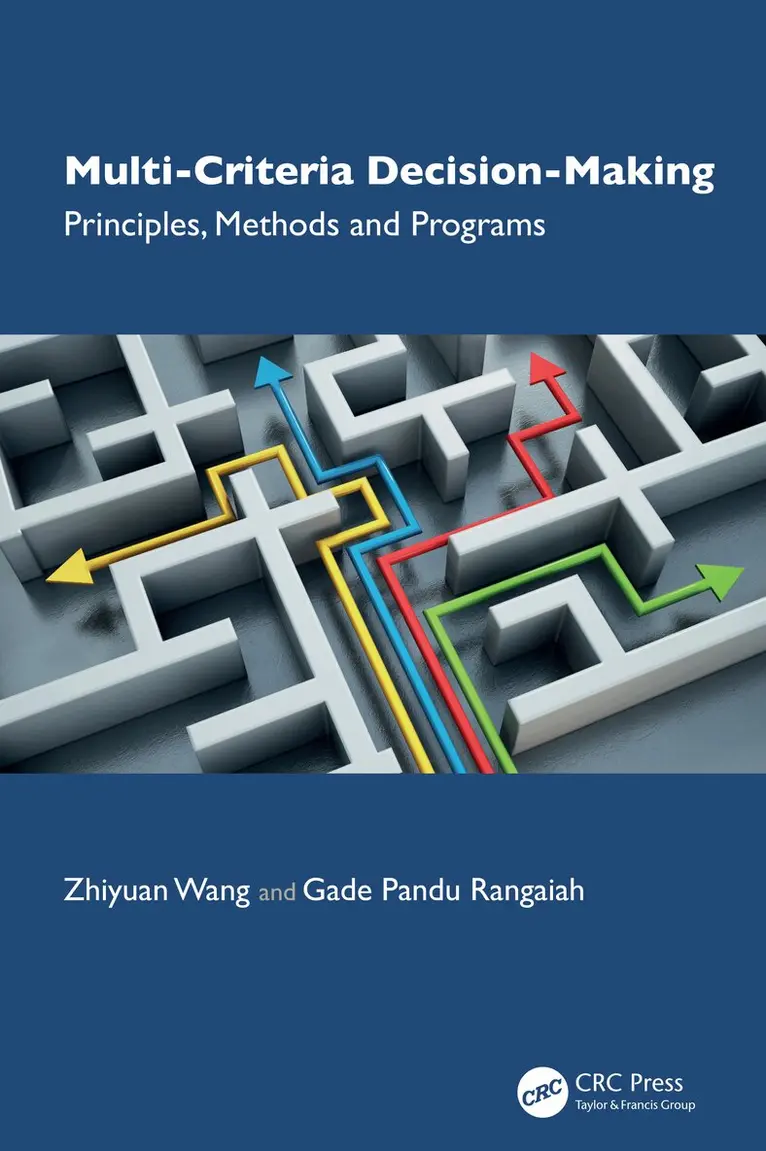
This textbook for advanced undergraduate and graduate students provides a clear and practical guide to the principles and methods for structuring and solving complex problems that include multiple, often conflicting criteria.
The book introduces the foundations of multi-criteria decision-making (MCDM) and its relationship with complementary approaches such as multi-objective optimization and goal programming. It then presents three major MCDM methods: reference-type methods such as TOPSIS, aggregation-type methods such as AHP, and outranking-type methods such as ELECTRE. Each method is explained with numerical examples, and strengths and limitations discussed. Preprocessing techniques are also covered. The book highlights user-friendly software tools, including Microsoft Excel-based programs and open-source Python libraries. End-of-chapter exercises are also provided to ensure that readers can consolidate their knowledge and apply this to real-world applications.
This textbook is vital for advanced undergraduate and graduate students taking decision science and optimization courses in disciplines such as engineering, business, finance, and management. Its focus on recent methods and developments will ensure that students are well prepared for employment in their field or for further research alike.
2 423 kr
Läs direkt efter köp
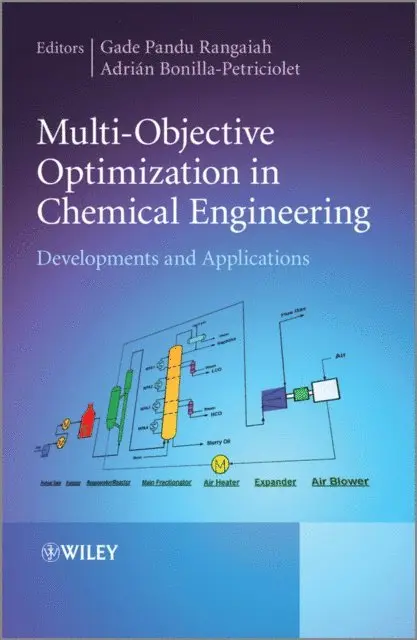
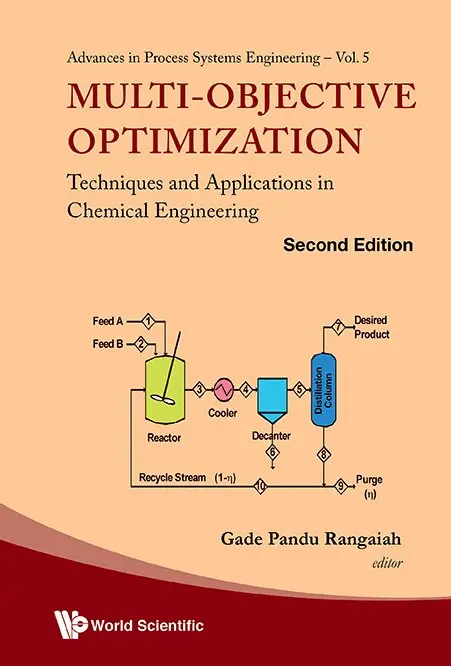
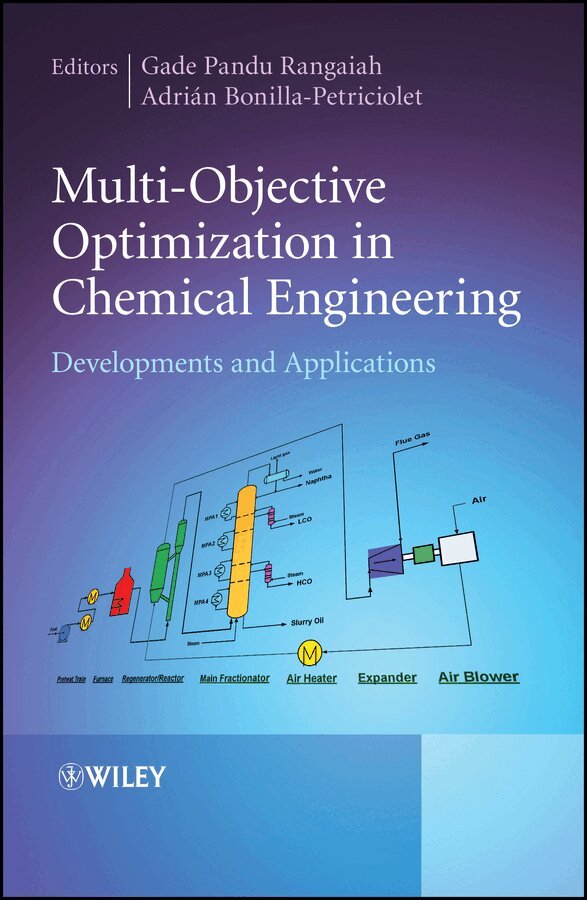
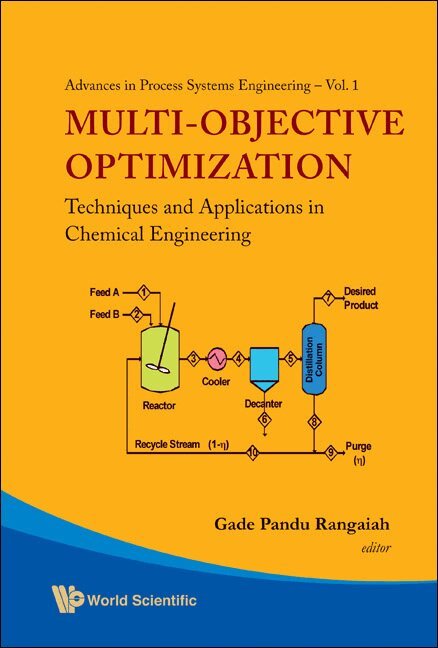
For reasons both financial and environmental, there is a perpetual need to optimize the design and operating conditions of industrial process systems in order to improve their performance, energy efficiency, profitability, safety and reliability. However, with most chemical engineering application problems having many variables with complex inter-relationships, meeting these optimization objectives can be challenging. This is where Multi-Objective Optimization (MOO) is useful to find the optimal trade-offs among two or more conflicting objectives.
This book provides an overview of the recent developments and applications of MOO for modeling, design and operation of chemical, petrochemical, pharmaceutical, energy and related processes. It then covers important theoretical and computational developments as well as specific applications such as metabolic reaction networks, chromatographic systems, CO2 emissions targeting for petroleum refining units, ecodesign of chemical processes, ethanol purification and cumene process design.
Multi-Objective Optimization in Chemical Engineering: Developments and Applications is an invaluable resource for researchers and graduate students in chemical engineering as well as industrial practitioners and engineers involved in process design, modeling and optimization.
2 476 kr
Läs direkt efter köp
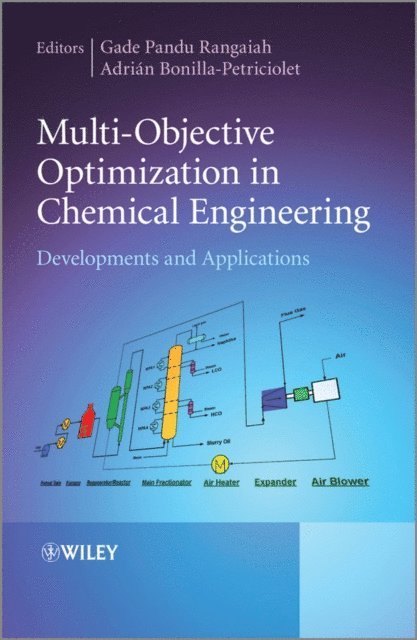
For reasons both financial and environmental, there is a perpetual need to optimize the design and operating conditions of industrial process systems in order to improve their performance, energy efficiency, profitability, safety and reliability. However, with most chemical engineering application problems having many variables with complex inter-relationships, meeting these optimization objectives can be challenging. This is where Multi-Objective Optimization (MOO) is useful to find the optimal trade-offs among two or more conflicting objectives.
This book provides an overview of the recent developments and applications of MOO for modeling, design and operation of chemical, petrochemical, pharmaceutical, energy and related processes. It then covers important theoretical and computational developments as well as specific applications such as metabolic reaction networks, chromatographic systems, CO2 emissions targeting for petroleum refining units, ecodesign of chemical processes, ethanol purification and cumene process design.
Multi-Objective Optimization in Chemical Engineering: Developments and Applications is an invaluable resource for researchers and graduate students in chemical engineering as well as industrial practitioners and engineers involved in process design, modeling and optimization.
2 199 kr
Läs direkt efter köp
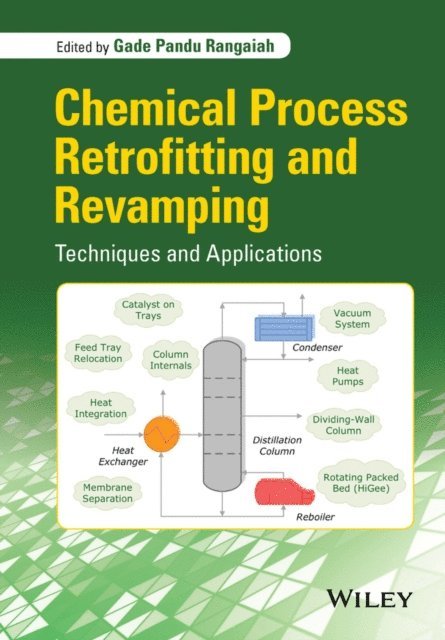
Some chapters in the book are contributed by practitioners whereas others are from academia. Hence, the book includes both new developments from research and also practical considerations. Many chapters include examples with realistic data. All these feature make the book useful to industrial engineers, researchers and students.
2 184 kr
Läs direkt efter köp
Some chapters in the book are contributed by practitioners whereas others are from academia. Hence, the book includes both new developments from research and also practical considerations. Many chapters include examples with realistic data. All these feature make the book useful to industrial engineers, researchers and students.
1 913 kr
Skickas inom 7-10 vardagar
2 068 kr
Skickas inom 7-10 vardagar
2 327 kr
Läs direkt efter köp
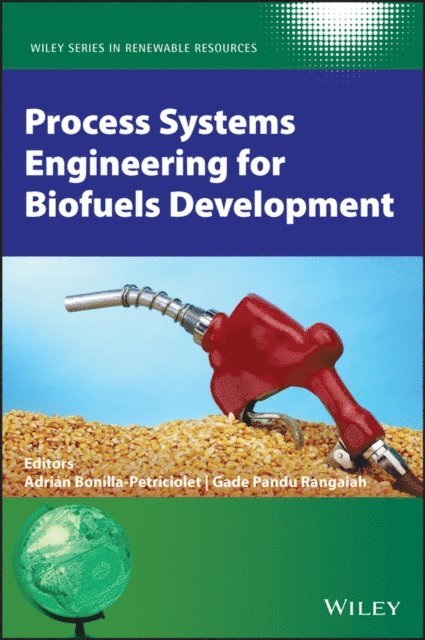
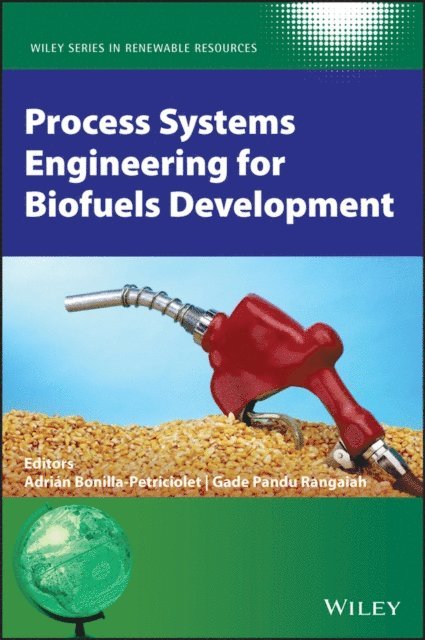
A comprehensive overview of current developments and applications in biofuels production
Process Systems Engineering for Biofuels Development brings together the latest and most cutting-edge research on the production of biofuels. As the first book specifically devoted to process systems engineering for the production of biofuels, Process Systems Engineering for Biofuels Development covers theoretical, computational and experimental issues in biofuels process engineering.
Written for researchers and postgraduate students working on biomass conversion and sustainable process design, as well as industrial practitioners and engineers involved in process design, modeling and optimization, this book is an indispensable guide to the newest developments in areas including:
Enzyme-catalyzed biodiesel production Process analysis of biodiesel production (including kinetic modeling, simulation and optimization) The use of ultrasonification in biodiesel production Thermochemical processes for biomass transformation to biofuels Production of alternative biofuelsIn addition to the comprehensive overview of the subject of biofuels found in the Introduction of the book, the authors of various chapters have provided extensive discussions of the production and separation of biofuels via novel applications and techniques.
2 379 kr
Läs direkt efter köp
A comprehensive overview of current developments and applications in biofuels production
Process Systems Engineering for Biofuels Development brings together the latest and most cutting-edge research on the production of biofuels. As the first book specifically devoted to process systems engineering for the production of biofuels, Process Systems Engineering for Biofuels Development covers theoretical, computational and experimental issues in biofuels process engineering.
Written for researchers and postgraduate students working on biomass conversion and sustainable process design, as well as industrial practitioners and engineers involved in process design, modeling and optimization, this book is an indispensable guide to the newest developments in areas including:
Enzyme-catalyzed biodiesel production Process analysis of biodiesel production (including kinetic modeling, simulation and optimization) The use of ultrasonification in biodiesel production Thermochemical processes for biomass transformation to biofuels Production of alternative biofuelsIn addition to the comprehensive overview of the subject of biofuels found in the Introduction of the book, the authors of various chapters have provided extensive discussions of the production and separation of biofuels via novel applications and techniques.
2 249 kr
Läs direkt efter köp
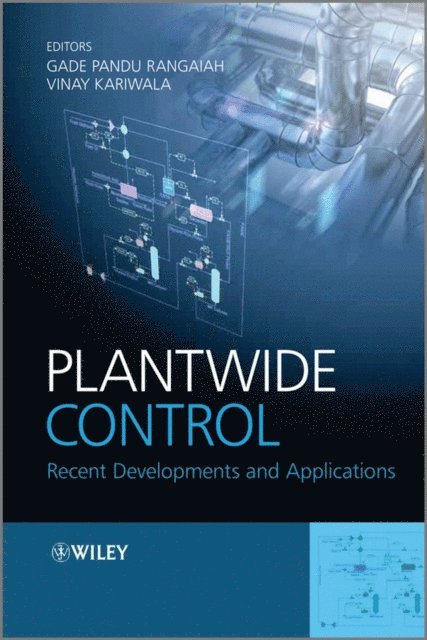
This book provides a state-of-the-art of techniques for the design and evaluation of PWC systems. Various applications taken from chemical, petrochemical, biofuels and mineral processing industries are used to illustrate the use of these approaches. This book contains 20 chapters organized in the following sections:
Overview and Industrial Perspective Tools and Heuristics Methodologies Applications Emerging TopicsWith contributions from the leading researchers and industrial practitioners on PWC design, this book is key reading for researchers, postgraduate students, and process control engineers interested in PWC.
2 249 kr
Läs direkt efter köp
This book provides a state-of-the-art of techniques for the design and evaluation of PWC systems. Various applications taken from chemical, petrochemical, biofuels and mineral processing industries are used to illustrate the use of these approaches. This book contains 20 chapters organized in the following sections:
Overview and Industrial Perspective Tools and Heuristics Methodologies Applications Emerging TopicsWith contributions from the leading researchers and industrial practitioners on PWC design, this book is key reading for researchers, postgraduate students, and process control engineers interested in PWC.
1 351 kr
Skickas
1 728 kr
Läs direkt efter köp
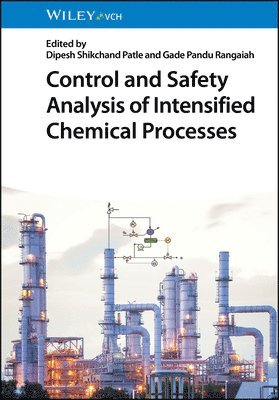
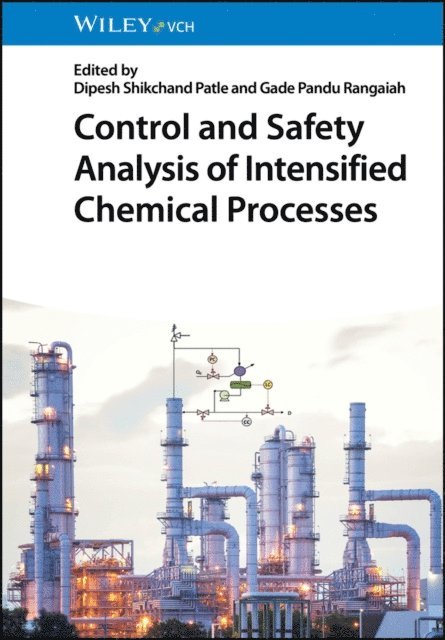
Resource on the control and safety analysis of intensified chemical processes, ranging from general methods to specific applications
Control and Safety Analysis of Intensified Chemical Processes covers the basic principles of and recent developments in control and safety analysis of intensified chemical processes, ranging from dynamic simulations and safety analysis to the design and control of important processes. The text discusses general methods and tools such as dynamic simulation, control and safety analysis as well as design aspects and analysis of important applications in order to provide scientists and engineers with an understanding of the design, control and safety considerations involved in intensified chemical processes.
Sample topics covered in Control and Safety Analysis of Intensified Chemical Processes include:
Simulation and optimization methods, common programs and simulators for simulation and optimization, and interfacing of simulators and optimizers Programs/simulators for dynamic simulation and control, tuning of controllers, and popular criteria for control assessment Control of a hybrid reactive-extractive distillation systems for ternary azeotropic mixtures, reactive distillation in recycle systems, and middle vessel batch distillation with vapor recompression Safety analysis of intensified processes (e.g. extractive distillation, dividing wall column, dividing wall column with mechanical vapor recompression, and algal biodiesel process)A comprehensive resource on the subject, Control and Safety Analysis of Intensified Chemical Processes is a highly valuable reference for researchers, students and practitioners interested in process intensification and their applications. The text can be adopted by instructors for use in advanced courses on process control and safety.
1 716 kr
Läs direkt efter köp
Resource on the control and safety analysis of intensified chemical processes, ranging from general methods to specific applications
Control and Safety Analysis of Intensified Chemical Processes covers the basic principles of and recent developments in control and safety analysis of intensified chemical processes, ranging from dynamic simulations and safety analysis to the design and control of important processes. The text discusses general methods and tools such as dynamic simulation, control and safety analysis as well as design aspects and analysis of important applications in order to provide scientists and engineers with an understanding of the design, control and safety considerations involved in intensified chemical processes.
Sample topics covered in Control and Safety Analysis of Intensified Chemical Processes include:
Simulation and optimization methods, common programs and simulators for simulation and optimization, and interfacing of simulators and optimizers Programs/simulators for dynamic simulation and control, tuning of controllers, and popular criteria for control assessment Control of a hybrid reactive-extractive distillation systems for ternary azeotropic mixtures, reactive distillation in recycle systems, and middle vessel batch distillation with vapor recompression Safety analysis of intensified processes (e.g. extractive distillation, dividing wall column, dividing wall column with mechanical vapor recompression, and algal biodiesel process)A comprehensive resource on the subject, Control and Safety Analysis of Intensified Chemical Processes is a highly valuable reference for researchers, students and practitioners interested in process intensification and their applications. The text can be adopted by instructors for use in advanced courses on process control and safety.
2 374 kr
Skickas
2 974 kr
Skickas inom 3-6 vardagar
2 253 kr
Skickas inom 3-6 vardagar
4 094 kr
Skickas inom 7-10 vardagar
1 560 kr
Tillfälligt slut
John Wiley & Sons Inc
2 538 kr
Tillfälligt slut
2 553 kr
Tillfälligt slut