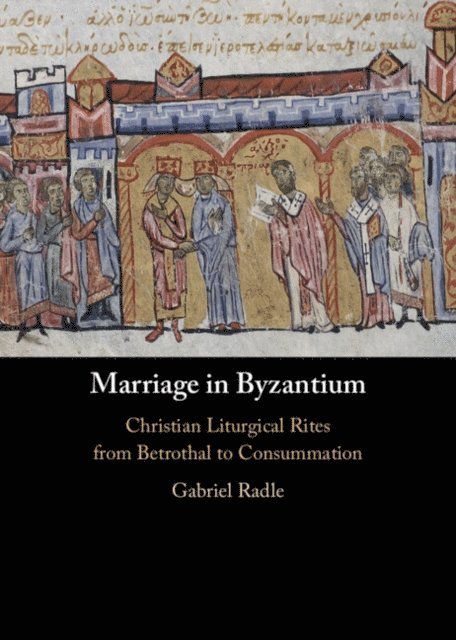
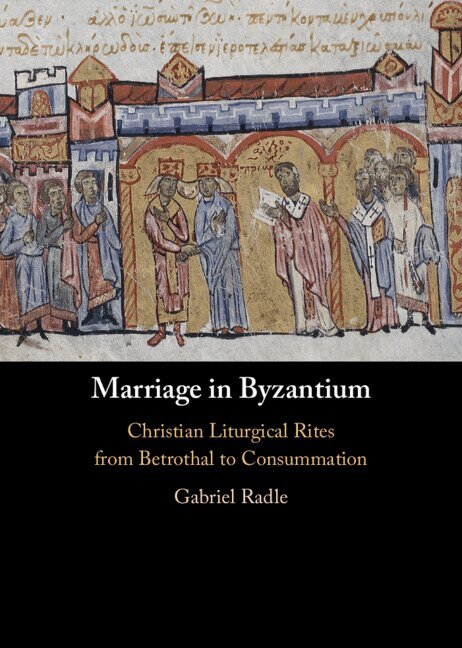
Across cultures, weddings have historically represented some of the most important and extravagant celebrations. This is the first comprehensive study of marriage rituals in the Eastern Mediterranean world of Byzantine Christianity. Using a large corpus of unedited liturgical manuscripts as well as other evidence from jewelry and law to visual representations and theological treatises, Gabriel Radle reconstructs the ceremonies used by the Byzantines to formalize the marriage process, from betrothal to rites of consummation. He showcases the meanings behind rituals of kinship formation and sexual relations and explores how the practice of Byzantine Christianity crossed fluid borders between the church and the domestic sphere. The book situates the development of Byzantine Christian marriage traditions alongside those of other religious communities and, in placing liturgical manuscripts at the heart of this study, paves new methodological paths for the use of ritual sources in the writing of Byzantine history.
The Society of Oriental Liturgy (SOL) is an international academic society dedicated to the scholarly study of the various Eastern Christian liturgical traditions and related fields in all its aspects and phases, including allied disciplines, and its multiple methodologies._x000D_ _x000D_ This volume brings together a selection of contributions from society members that germinated from papers delivered at the SOL congress gathered in Etchmiadzin, Armenia in September 2016. The chapters reveal new and original research on a variety of topics pertaining to Eastern liturgical rites, including, inter alia, methodological reflections on the field of liturgiology, analysis of unedited Syriac and Ge’ez liturgical texts, investigations on the development of the liturgical calendar in late antiquity, a study of medieval Byzantine hymnography, and a discussion of liturgical renewal for the Armenian Apostolic Church. These and the many other original topics explored herein show the dynamism that characterizes the study of Eastern liturgy today while also calling attention to the many questions that have yet to be explored._x000D_