415 kr
Skickas inom 7-10 vardagar
415 kr
Skickas inom 7-10 vardagar
1 830 kr
Skickas inom 7-10 vardagar
725 kr
Kommande
2 581 kr
Kommande
572 kr
Skickas inom 10-15 vardagar
2 114 kr
Skickas inom 10-15 vardagar
658 kr
Läs direkt efter köp
658 kr
Läs direkt efter köp
1 573 kr
Skickas inom 7-10 vardagar
856 kr
Läs direkt efter köp
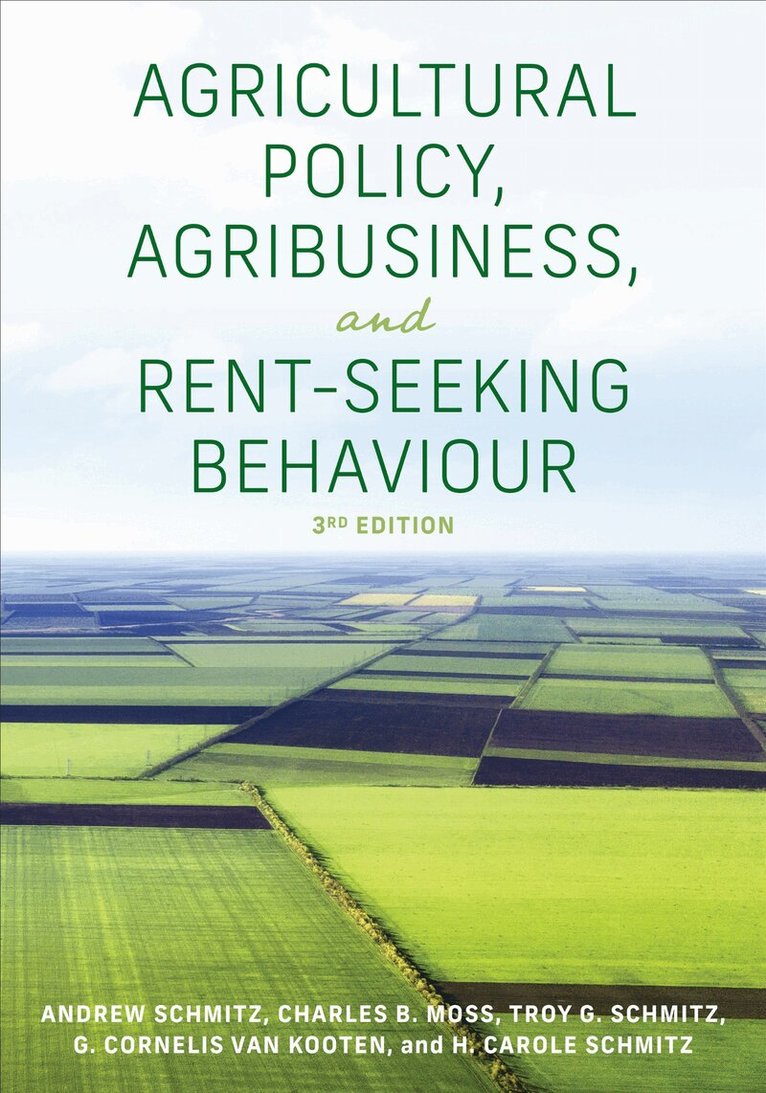
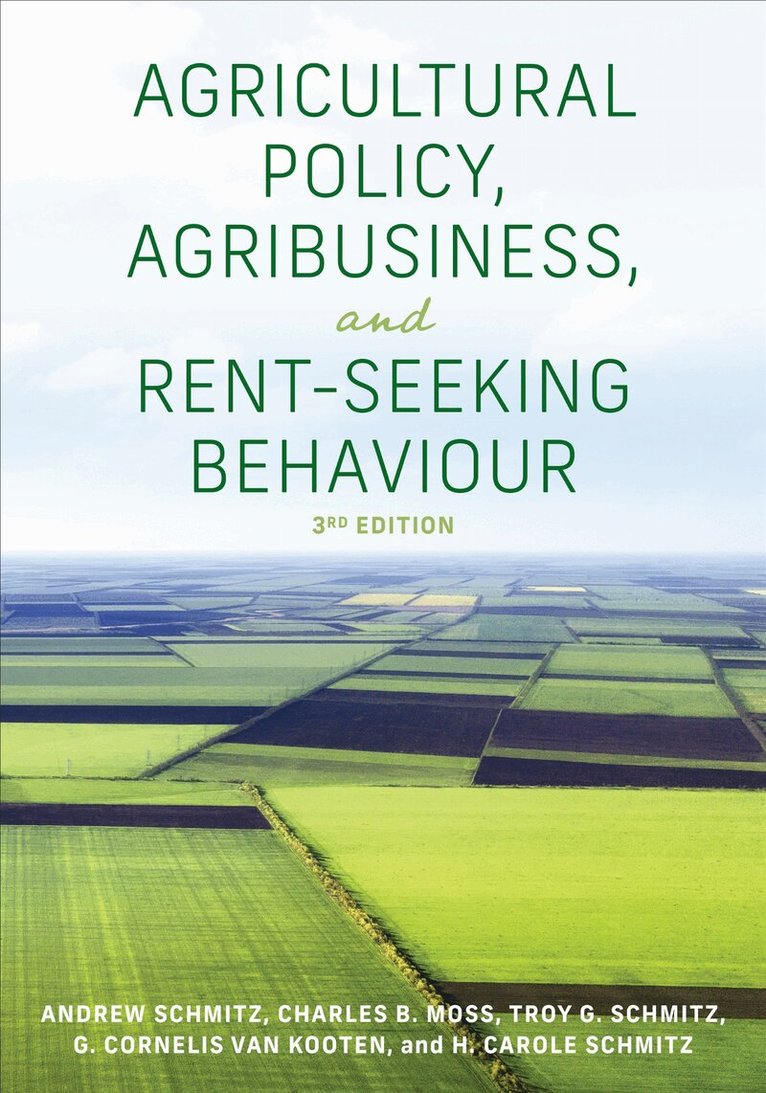
Costing billions of dollars annually, international trade in agricultural products is impactful and influenced by several factors, including climate change, food policy, and government legislation. The third edition of Agricultural Policy, Agribusiness, and Rent-Seeking Behaviour provides comprehensive economic analyses of the policies that affect agriculture and agribusiness in Canada and the United States.
Looking at current agricultural policies, the third edition includes new chapters on food pyramids, climate change, and GMOs, while also highlighting the effect of international policies on Canadian trade, including the problematic US ethanol policy. The new edition addresses current issues, including how the COVID-19 pandemic has negatively affected agricultural value chains and played a hand in the ongoing growth in opioid use.
Including a number of key findings, and discussing current debates on topics including foreign ownership of Canadian farmland, Agricultural Policy, Agribusiness, and Rent-Seeking Behaviour will appeal to students in agricultural economics and policy, as well as policymakers, agricultural firms, energy companies, and readers wishing to reduce their nation’s carbon footprint.
862 kr
Skickas inom 7-10 vardagar
775 kr
Skickas inom 7-10 vardagar
854 kr
Läs direkt efter köp
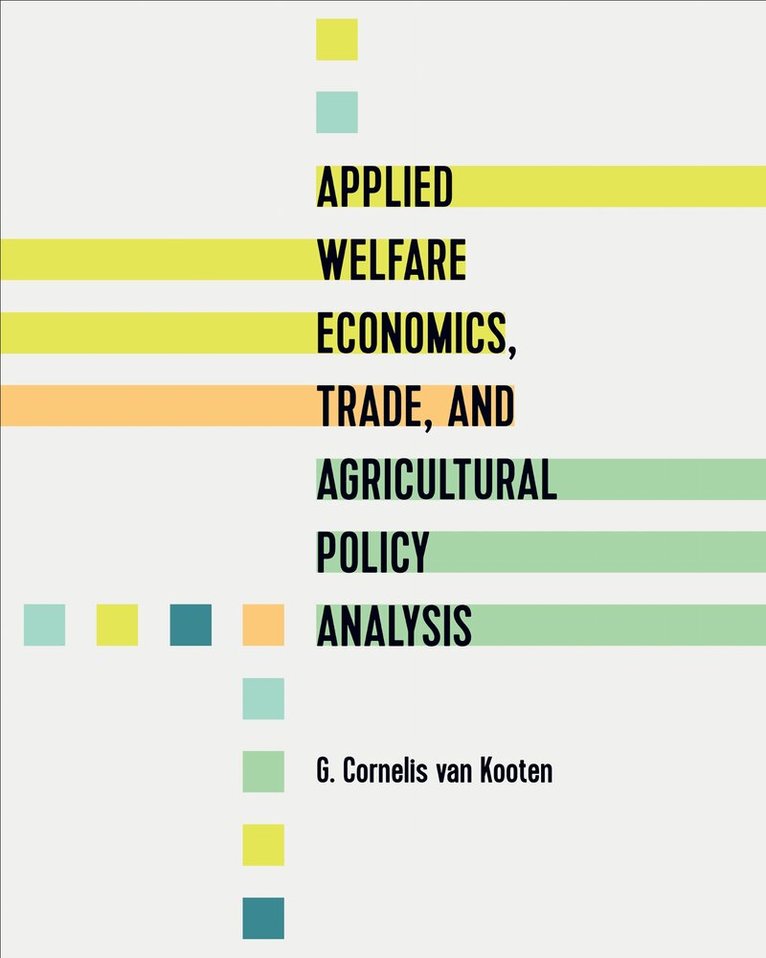
This textbook integrates three related fields in economics, namely agricultural/forestry economics, environmental economics, and international trade, by foregrounding cost-benefit analysis as a significant policy tool.
Exploring how welfare measures can be used in the analysis of agricultural, trade, and other economic policies, Applied Welfare Economics, Trade, and Agricultural Policy Analysis fills a gap in the literature on agricultural policy analysis by explaining the economic efficiency improvements and income transfers of various agricultural policy reforms in the United States, Canada, and the European Union.
G. Cornelis van Kooten addresses methods of identifying and measuring economic surpluses (costs and benefits), the precautionary principle, identification of an appropriate discount rate, the importance of nonmarket values, and the role of agriculture in trade negotiations and climate change. Applied Welfare Economics, Trade, and Agricultural Policy Analysis draws on new research, brings attention to the existing literature, and includes review questions at the end of each chapter. The techniques developed in this text can be applied to the development and reform of agricultural policies in various regions.
873 kr
Läs direkt efter köp
This textbook integrates three related fields in economics, namely agricultural/forestry economics, environmental economics, and international trade, by foregrounding cost-benefit analysis as a significant policy tool.
Exploring how welfare measures can be used in the analysis of agricultural, trade, and other economic policies, Applied Welfare Economics, Trade, and Agricultural Policy Analysis fills a gap in the literature on agricultural policy analysis by explaining the economic efficiency improvements and income transfers of various agricultural policy reforms in the United States, Canada, and the European Union.
G. Cornelis van Kooten addresses methods of identifying and measuring economic surpluses (costs and benefits), the precautionary principle, identification of an appropriate discount rate, the importance of nonmarket values, and the role of agriculture in trade negotiations and climate change. Applied Welfare Economics, Trade, and Agricultural Policy Analysis draws on new research, brings attention to the existing literature, and includes review questions at the end of each chapter. The techniques developed in this text can be applied to the development and reform of agricultural policies in various regions.
1 465 kr
Skickas inom 7-10 vardagar
1 498 kr
Läs direkt efter köp
1 498 kr
Läs direkt efter köp
1 632 kr
Skickas inom 10-15 vardagar
2 111 kr
Läs direkt efter köp
This volume enables readers to understand the complexity associated with climate change policy and the science behind it. For example, the author describes the criticism and defense of the widely known “hockey stick” temperature graph derived from combining instrumental data and proxy temperature indications using tree ring, ice core and other paleoclimatic data.
Readers will also learn that global warming cannot easily be avoided by reducing CO2 and other greenhouse gas emissions in rich countries. Not only is emissions reduction extremely difficult in rich countries, but demands such as the UN mandate to improve the lives of the poorest global citizens cannot be satisfied without significantly increasing global energy use, and CO2 emissions. Therefore, the author asserts that climate engineering and adaptation are preferable to mitigation, particularly since the science is less than adequate for making firm statements about the Earth’s future climate.
Readers will also learn that global warming cannot easily be avoided by reducing CO2 and other greenhouse gas emissions in rich countries. Not only is emissions reduction extremely difficult in rich countries, but demands such as the UN mandate to improve the lives of the poorest global citizens cannot be satisfied without significantly increasing global energy use, and CO2 emissions. Therefore, the author asserts that climate engineering and adaptation are preferable to mitigation, particularly since the science is less than adequate for making firm statements about the Earth’s future climate.1 632 kr
Skickas inom 10-15 vardagar
626 kr
Tillfälligt slut