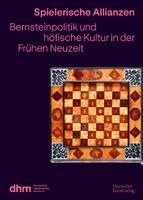
Between 1590 and 1620, many board game cassettes for Nine Men’s Morris, chess and backgammon were produced in the Prussian court sphere in Königsberg, marking an artistic high point in amber craftsmanship. This volume is the first to examine the context in which such precious objects were crafted against the backdrop of courtly (gaming) culture and dynastic alliance politics.The acquisition of a Königsberg board game cassette dating from 1607 by the German Historical Museum in 2021 provided an opportunity to conduct interdisciplinary research into this culturally and historically significant subgroup of Prussian ‘amber diplomacy’. The 13 contributions to this volume present perspectives from art, cultural and economic history, bringing the Baltic Sea region to life as a strategic focal point of the period around 1600.First interdisciplinary study on Königsberg amber board game cassettes around 1600New perspectives on a hitherto little-researched field of early-modern, luxury objectsExhibition: Deutsches Historisches Museum, Berlin, May 8, 2026 to October 31, 2027
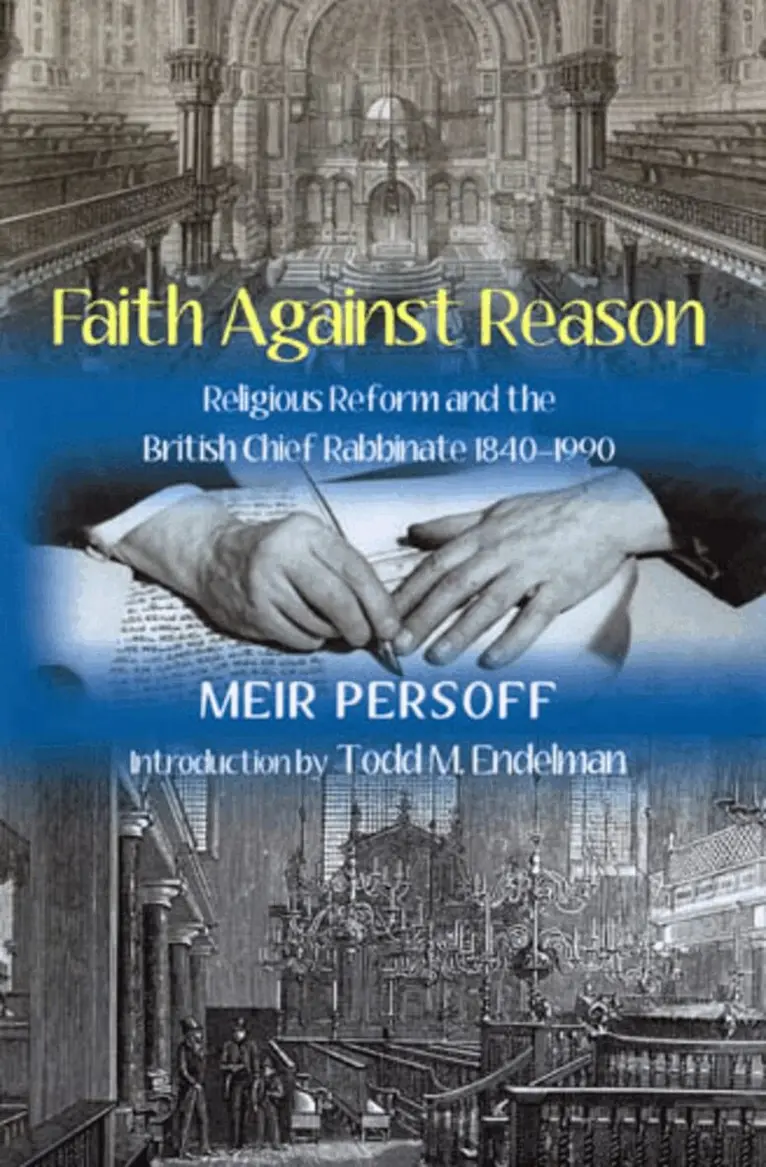
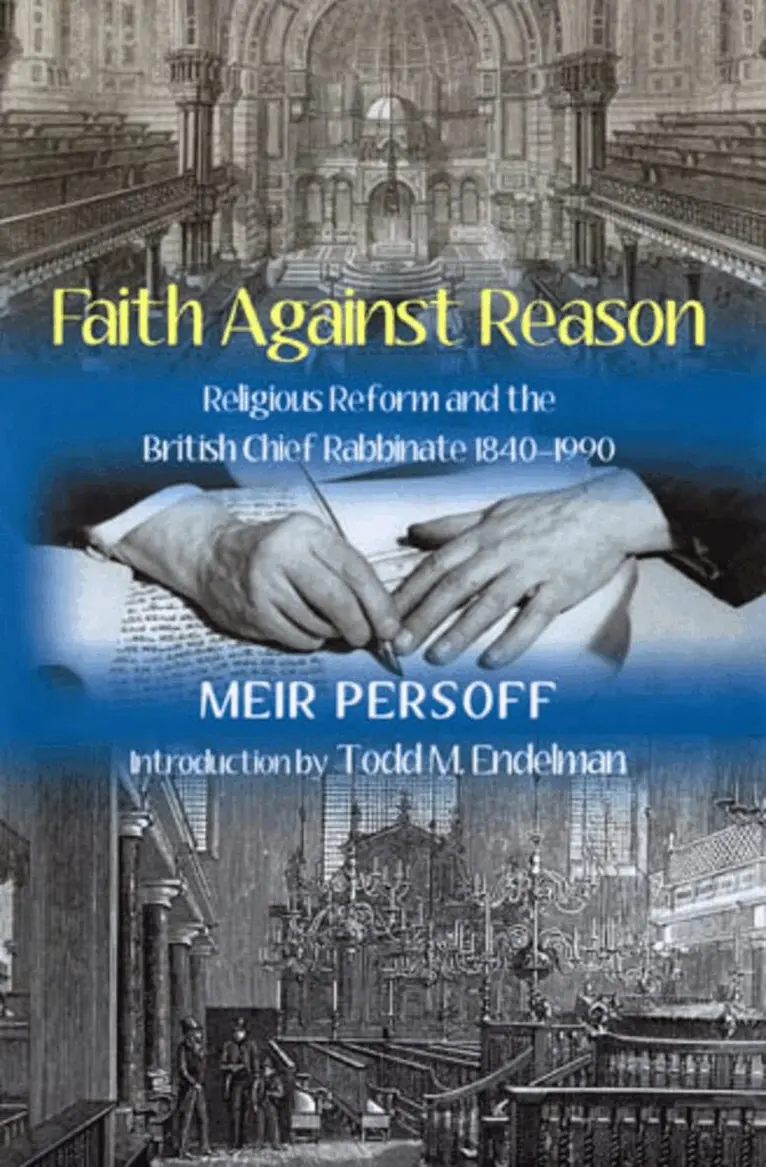
From the Reform secession of the 1840s and the founding of Liberal Judaism six decades later, to the 'Jacobs Affair' and the rise of Conservative (Masorti) theology towards the end of the twentieth century, the British Chief Rabbinate has faced challenges and controversy on an ever-deepening scale. Using contemporary accounts, broadsides and hitherto unpublished archival material, Faith Against Reason is an incisive and indispensable contribution to an understanding of the fissures and fragmentation besetting Anglo-Jewry in modern times. At its core are the mavericks, ministers, grandees and God-fearers who grappled with the currents and complexities of the hour - and with each other - in their pursuit of communal power and pulpit supremacy. The chroniclers of Anglo-Jewry have not always been kind to Britain's Chief Rabbis. In truth, the verdicts have been mixed, and sometimes muted, but, with communal censure and strife continuing unabated, they have become increasingly forthright as the centuries have turned. In Faith Against Reason, some of these verdicts are subjected to scrutiny; others emerge and, with them, a clearer picture of the Chief Rabbinical stance on religious pluralism.
From the Reform secession of the 1840s and the founding of Liberal Judaism six decades later, to the 'Jacobs Affair' and the rise of Conservative (Masorti) theology towards the end of the twentieth century, the British Chief Rabbinate has faced challenges and controversy on an ever-deepening scale. Using contemporary accounts, broadsides and hitherto unpublished archival material, Faith Against Reason is an incisive and indispensable contribution to an understanding of the fissures and fragmentation besetting Anglo-Jewry in modern times. At its core are the mavericks, ministers, grandees and God-fearers who grappled with the currents and complexities of the hour - and with each other - in their pursuit of communal power and pulpit supremacy. The chroniclers of Anglo-Jewry have not always been kind to Britain's Chief Rabbis. In truth, the verdicts have been mixed, and sometimes muted, but, with communal censure and strife continuing unabated, they have become increasingly forthright as the centuries have turned. In Faith Against Reason, some of these verdicts are subjected to scrutiny; others emerge and, with them, a clearer picture of the Chief Rabbinical stance on religious pluralism.
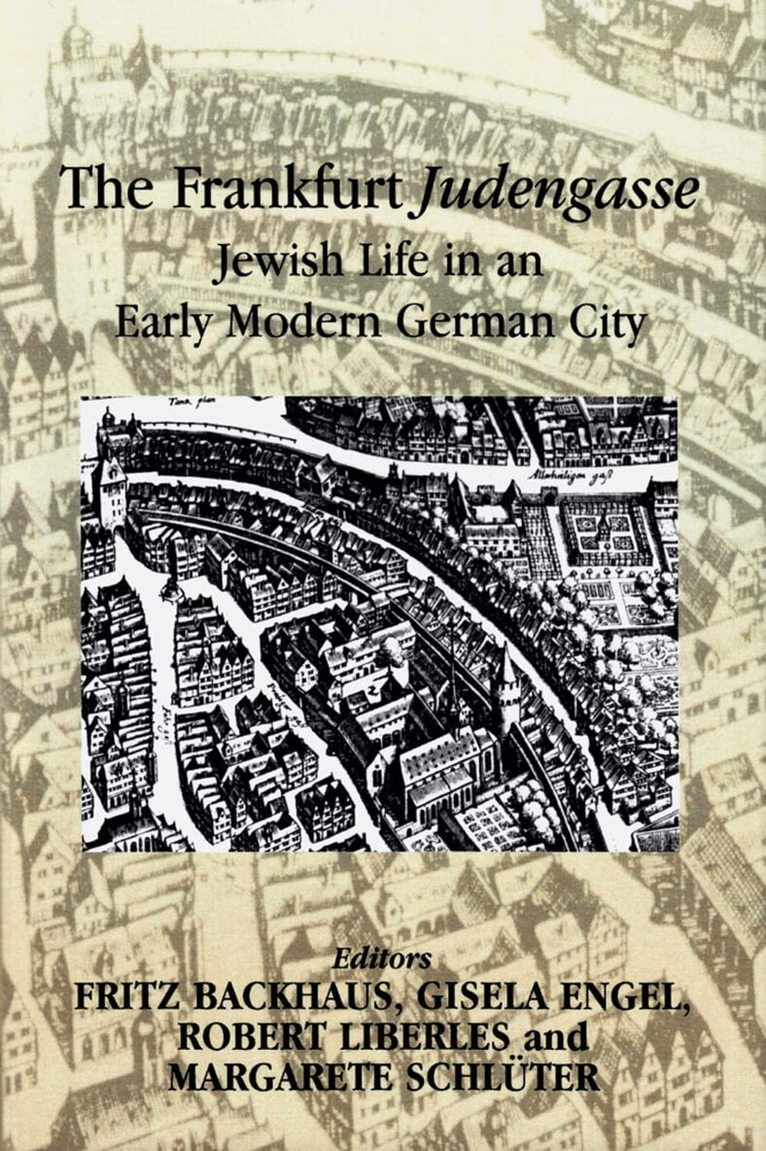
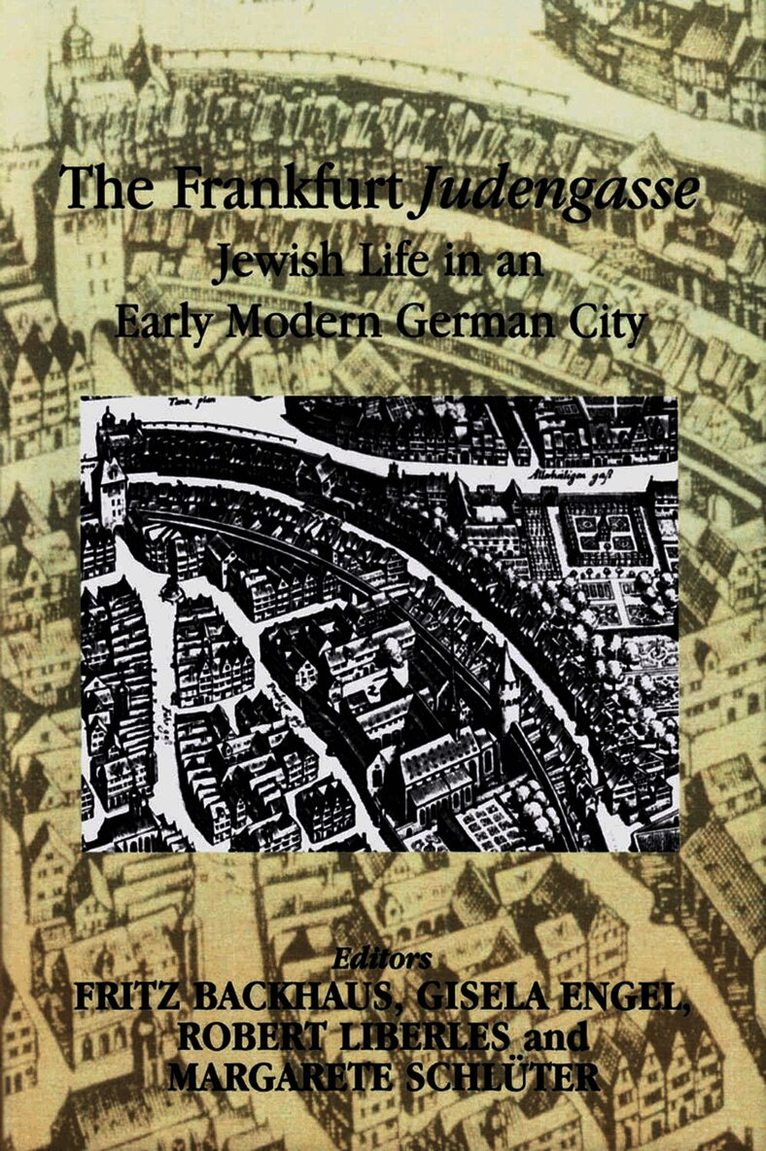
Frankfurt was one of the most important centers of Jewish life in central Europe. In 1462, the Frankfurt City Council ordered the resettlement of the Jews in an especially constructed street, surrounded by walls and located at the very edge of the city. The three gates were closed at night, on Sundays, and during Christian holidays. The Frankfurt Judengasse was the first legally constructed space of a ghetto in the Holy Roman Empire, and one of the first in Europe. The economic, demographic, cultural, and religious significance of this community in the Early Modern era has been a neglected area of study. The significance of the Frankfurt community; the great number of sources for the Early Modern era which are still available despite all the losses; and the increasing interest in the history of the Jews in Germany since the 1990s - evident in an array of dissertation projects - almost inevitably led to the idea of organising a conference to once again direct attention on the Frankfurt Judengasse. The conference was organized by Johann Wolfgang Goethe University Frankfurt am Main, represented by the Centre for Research in Early Modern History, Culture and Science and the Department of Jewish Studies, as well as the Frankfurt Jewish Museum, the Judengasse Museum and the Leo Baeck Institute in Jerusalem. Most of the essays in this collection were first presented at the May 2004 conference in Frankfurt. The authors cover a wide spectrum of themes on a great variety of aspects of Jewish life in the Frankfurt Judengasse, spanning a broad chronological arc from the Middle Ages to the dissolution of the Frankfurt Judengasse in the early years of the 19th century. The essays illustrate, after decades of disinterest on the part of German scholarship, a revival of Jewish history in the Early Modern Era, and thus of the Judengasse.
Frankfurt was one of the most important centers of Jewish life in central Europe. In 1462, the Frankfurt City Council ordered the resettlement of the Jews in an especially constructed street, surrounded by walls and located at the very edge of the city. The three gates were closed at night, on Sundays, and during Christian holidays. The Frankfurt Judengasse was the first legally constructed space of a ghetto in the Holy Roman Empire, and one of the first in Europe. The economic, demographic, cultural, and religious significance of this community in the Early Modern era has been a neglected area of study. The significance of the Frankfurt community; the great number of sources for the Early Modern era which are still available despite all the losses; and the increasing interest in the history of the Jews in Germany since the 1990s - evident in an array of dissertation projects - almost inevitably led to the idea of organising a conference to once again direct attention on the Frankfurt Judengasse. The conference was organized by Johann Wolfgang Goethe University Frankfurt am Main, represented by the Centre for Research in Early Modern History, Culture and Science and the Department of Jewish Studies, as well as the Frankfurt Jewish Museum, the Judengasse Museum and the Leo Baeck Institute in Jerusalem. Most of the essays in this collection were first presented at the May 2004 conference in Frankfurt. The authors cover a wide spectrum of themes on a great variety of aspects of Jewish life in the Frankfurt Judengasse, spanning a broad chronological arc from the Middle Ages to the dissolution of the Frankfurt Judengasse in the early years of the 19th century. The essays illustrate, after decades of disinterest on the part of German scholarship, a revival of Jewish history in the Early Modern Era, and thus of the Judengasse.