138 kr
Skickas
138 kr
Skickas
108 kr
Läs direkt efter köp
429 kr
Skickas inom 7-10 vardagar
255 kr
Skickas inom 7-10 vardagar
456 kr
Skickas inom 7-10 vardagar
410 kr
Skickas inom 7-10 vardagar
207 kr
Skickas inom 7-10 vardagar
223 kr
Skickas inom 7-10 vardagar
291 kr
Skickas inom 7-10 vardagar
21 kr
Läs direkt efter köp
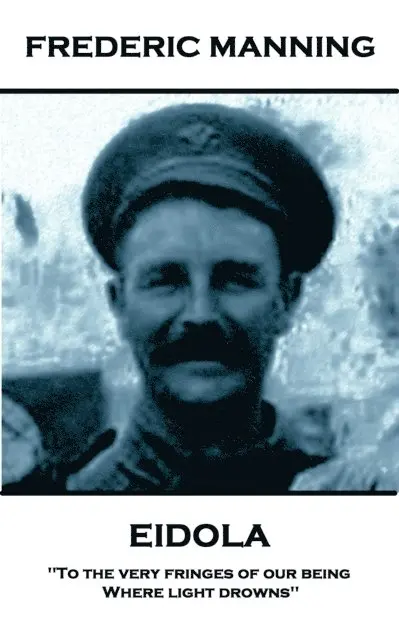
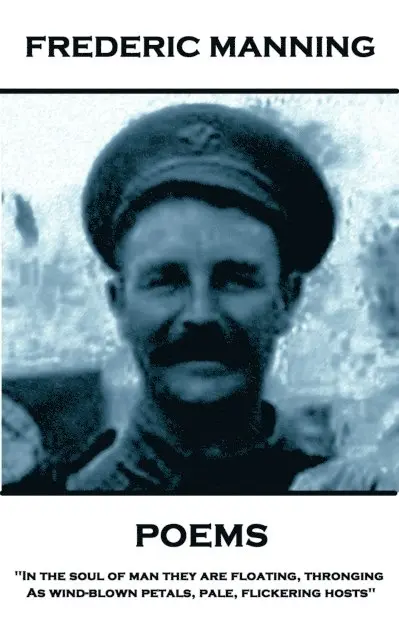
Frederic Manning was born on 22nd July 1882 in Sydney, Australia, one of eight children to local politician Sir William Patrick Manning. The family were Roman Catholics of Irish origin.
Manning was a poorly child and thus schooled extensively at home. As a teenager he became friends with the Reverend Arthur Galton, who was secretary to the Governor of New South Wales. In 1898 Galton returned to England and Manning went with him. Manning returned to Australia in 1900 before settling permanently in England in 1903.
Manning moved in with Galton, now the vicar at Edenham, a village in Lincolnshire. He devoted his time to studying the classics and philosophy, under Galton.
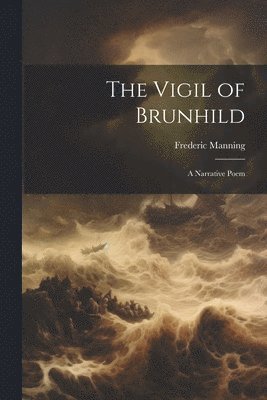
In 1907 he published his first book, ‘The Vigil of Brunhild’, a monologue written in verse. ‘Scenes and Portraits’ followed in 1909, a discussion of religious topics written as a series of debates by historical figures. With the publication of ‘Poems’ in 1910 his reputation as an up-and-coming writer was gathering an audience.
His poor health continued to trouble him. Despite asthma he continued to smoke. To remedy his loneliness, he frequented the local public houses. His shyness was evident.
In the years prior to World War I, he began to move in London artistic circles, befriending the influential Max Beerbohm and William Rothenstein.
When war broke out, Manning was keen to enlist but his ill-health meant he was rejected as unfit several times. Finally, he was accepted and enrolled in the King''s Shropshire Light Infantry as a private with service number 19022. In France in 1916, Manning saw action with the 7th Battalion at the Battle of the Somme. He was promoted to lance-corporal and experienced the horrors of life in the trenches.
Manning was posted to Ireland in May 1917 as a second lieutenant in the Royal Irish Regiment. The life of an officer did not agree with him; he drank excessively causing friction with his superiors. His inebriation was put down to neurasthenia. He resigned his commission on 28th February 1918.
In 1917 he published a poetry collection of poems, ‘Ediola’. He contributed to periodicals such as ‘The Monthly Chapbook’, edited by Harold Monro and T. S. Eliot’s ‘The Criterion’.
However, poetry did not pay the bills and in 1923 Manning took a commission to write ‘The Life of Sir William White’, Director of Naval Construction, and built up of the Navy at the end of the 19th century.
In 1921 Galton died in 1921, which left Manning lacking a focused and directing influence in his life.
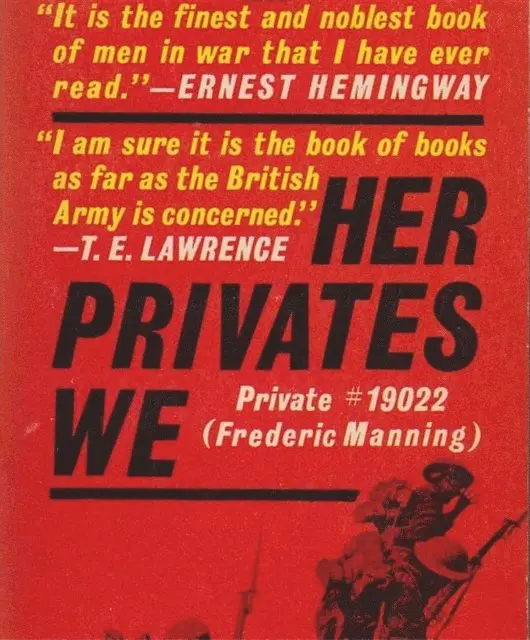
As the 1920s progressed the artistic community was increasingly looking back at the war. His publisher urged him to use his talents and wartime experiences to write a novel. The result was ‘The Middle Parts of Fortune’, published as written by ‘Private 19022’ in a numbered limited edition of 520 copies in 1929.
Many fellow authors acclaimed the work including Arnold Bennett, Ernest Hemingway and Ezra Pound. It allowed Manning to live out his life basking in the afterglow of what is agreed to be one of the very finest novels on the experiences of warfare.
Frederic Manning never married. He seemed to shun intimacy. His long-time host Galton and the hostesses of the literary salons which he visited should be seen as ‘parent-substitute’ figures.
Frederic Manning died of respiratory diseases at a Hampstead nursing home on 22nd February 1935 at the age of 52.
He was buried at Kensal Green cemetery.

186 kr
Skickas inom 7-10 vardagar
136 kr
Skickas
309 kr
Skickas inom 7-10 vardagar
213 kr
Skickas inom 7-10 vardagar
228 kr
Skickas inom 7-10 vardagar
410 kr
Skickas inom 7-10 vardagar
401 kr
Skickas inom 7-10 vardagar
178 kr
Skickas inom 7-10 vardagar
459 kr
Skickas inom 7-10 vardagar
328 kr
Skickas inom 7-10 vardagar
244 kr
Skickas inom 7-10 vardagar
273 kr
Skickas inom 7-10 vardagar
371 kr
Skickas inom 3-6 vardagar
104 kr
Läs direkt efter köp
387 kr
Skickas inom 3-6 vardagar
19 kr
Läs direkt efter köp
A brilliant book that makes it impossible to forget the barbarity of war........................... A brilliant book that makes it impossible to forget the barbarity of war...........................
21 kr
Läs direkt efter köp
Frederic Manning was born on 22nd July 1882 in Sydney, Australia, one of eight children to local politician Sir William Patrick Manning. The family were Roman Catholics of Irish origin.
Manning was a poorly child and thus schooled extensively at home. As a teenager he became friends with the Reverend Arthur Galton, who was secretary to the Governor of New South Wales. In 1898 Galton returned to England and Manning went with him. Manning returned to Australia in 1900 before settling permanently in England in 1903.
Manning moved in with Galton, now the vicar at Edenham, a village in Lincolnshire. He devoted his time to studying the classics and philosophy, under Galton.
In 1907 he published his first book, ‘The Vigil of Brunhild’, a monologue written in verse. ‘Scenes and Portraits’ followed in 1909, a discussion of religious topics written as a series of debates by historical figures. With the publication of ‘Poems’ in 1910 his reputation as an up-and-coming writer was gathering an audience.
His poor health continued to trouble him. Despite asthma he continued to smoke. To remedy his loneliness, he frequented the local public houses. His shyness was evident.
In the years prior to World War I, he began to move in London artistic circles, befriending the influential Max Beerbohm and William Rothenstein.
When war broke out, Manning was keen to enlist but his ill-health meant he was rejected as unfit several times. Finally, he was accepted and enrolled in the King''s Shropshire Light Infantry as a private with service number 19022. In France in 1916, Manning saw action with the 7th Battalion at the Battle of the Somme. He was promoted to lance-corporal and experienced the horrors of life in the trenches.
Manning was posted to Ireland in May 1917 as a second lieutenant in the Royal Irish Regiment. The life of an officer did not agree with him; he drank excessively causing friction with his superiors. His inebriation was put down to neurasthenia. He resigned his commission on 28th February 1918.
In 1917 he published a poetry collection of poems, ‘Ediola’. He contributed to periodicals such as ‘The Monthly Chapbook’, edited by Harold Monro and T. S. Eliot’s ‘The Criterion’.
However, poetry did not pay the bills and in 1923 Manning took a commission to write ‘The Life of Sir William White’, Director of Naval Construction, and built up of the Navy at the end of the 19th century.
In 1921 Galton died in 1921, which left Manning lacking a focused and directing influence in his life.
As the 1920s progressed the artistic community was increasingly looking back at the war. His publisher urged him to use his talents and wartime experiences to write a novel. The result was ‘The Middle Parts of Fortune’, published as written by ‘Private 19022’ in a numbered limited edition of 520 copies in 1929.
Many fellow authors acclaimed the work including Arnold Bennett, Ernest Hemingway and Ezra Pound. It allowed Manning to live out his life basking in the afterglow of what is agreed to be one of the very finest novels on the experiences of warfare.
Frederic Manning never married. He seemed to shun intimacy. His long-time host Galton and the hostesses of the literary salons which he visited should be seen as ‘parent-substitute’ figures.
Frederic Manning died of respiratory diseases at a Hampstead nursing home on 22nd February 1935 at the age of 52.
He was buried at Kensal Green cemetery.
131 kr
Läs direkt efter köp
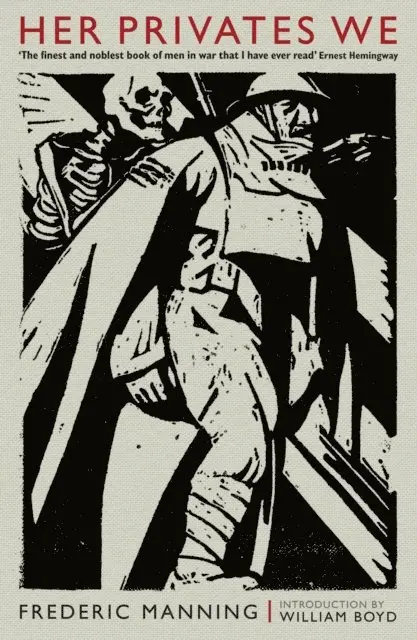
First published privately in 1929 as The Middle Parts of Fortune, Her Privates We is the novel of the Battle of the Somme told from the perspective of Bourne, an ordinary private. A raw and shockingly honest portrait of men engaged in war, ''that peculiarly human activity'', the original edition was subject to ''prunings and excisions'' because the bluntness of language was thought to make the book unfit for public distribution. This edition restores them. An undisputed classic of war writing and a lasting tribute to all who participated in the war, Her Privates We was originally published as written by ''Private 19022''. Championed by Ernest Hemingway, Ezra Pound, TS Eliot and TE Lawrence, it has become recognised as a classic in the seventy years since its first publication. Now republished, with an introduction by William Boyd, it will again amaze a new generation of readers with its depiction of the horror, the ordinariness and the humanity of war.
379 kr
Skickas inom 7-10 vardagar
249 kr
Skickas inom 7-10 vardagar