
Inbunden, Engelska, 2025
475 kr
Skickas inom 7-10 vardagar
475 kr
Skickas inom 7-10 vardagar
337 kr
Skickas inom 7-10 vardagar

40 kr
Läs direkt efter köp
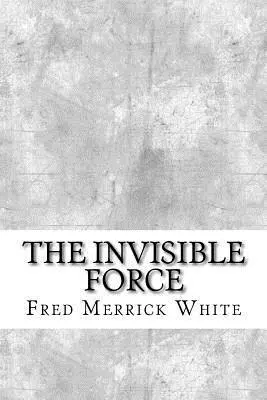
A collection of 12 stories published serially in The Ludgate, London, Jun 1897 to May 1898, in which the criminal mastermind, Felix Gryde, conducts his nefarious criminal work -- theft, kidnapping, ransom, assassination, fraud -- and he never gets caught. The author''s introduction:
"The history of famous detectives, imaginary and otherwise, has frequently been written, but the history of a famous criminal—never.
"This is a bold statement, but a true one all the same. The most notorious of rascals know that sooner or later they will be found out, and therefore they plan their lives accordingly. But they are always found out in the end. And yet there must be many colossal rascals who have lived and died apparently in the odour of sanctity. Such a character would be quite new to fiction, and herein I propose to attempt the history of the Sherlock Holmes of malefactors.
"Given a rascal with the intellect of the famous creation in question, and detection would be reduced to a vanishing point. It is the intention of the writer to set down here some of the wonderful adventures that befell Felix Gryde in the course of his remarkable career."
TheHead Of The Caesars (excerpt)The history of famous detectives, imaginary andotherwise, has frequently been written, but the history of a famouscriminal—never.
This is a bold statement, but a true one all thesame. The most notorious of rascals know that sooner or later theywill be found out, and therefore they plan their lives accordingly.But they are always found out in the end. And yet there must be manycolossal rascals who have lived and died apparently in the odour ofsanctity. Such a character would be quite new to fiction, and hereinI propose to attempt the history of the Sherlock Holmes ofmalefactors.
Given a rascal with the intellect of the famouscreation in question, and detection would be reduced to a vanishingpoint. It is the intention of the writer to set down here some of thewonderful adventures that befell Felix Gryde in the course of hisremarkable career.
* * * * *
EVERY schoolboy knows the history of the rise andprogress of the Kingdom of Lystria. Forty years ago a clutch of smallindependent states in South-Eastern Europe, the lapse of less thanhalf a century had produced one of the most powerful combinations onthe face of the universe. As everybody also knows, this result wasproduced by the genius of a quartette who in their time made morehistory than falls to the lot of the most stormy century. For yearsthey kept the makers of atlases busy keeping pace with the virilegrowth of Lystria.
But time brings everything in due course; the agedmakers of Empire laid aside the pen and the sword, and death came atlength to the greatest of the four, even unto Rudolph Caesar, whommen called Emperor of Lystria. Wires, red-hot with the burden of themessage, flashed the news to the four corners of the earth; columnafter column of glowing obituary were thrown together by perspiring"comps"; Caesar''s virtues were trumpeted far and wide. Itwas the last sensation he was like to make.
Meanwhile Mantua, the capital of Lystria, hadarranged for a month of extravagant funeral pomp and circumstancefitting the occasion. The papers teemed with the sombre details. Thelaying in state—a matter of eight days— was to be a kind ofglorified Lyceum stage effect. The cold Caesarian clay was to begiven over to no vile earthworm, but had been embalmed without delay.
All this pageant Felix Gryde had read of in theseclusion of his London lodgings, in Barton Street. The floridextravagance of the Telegraph awoke in him a vein ofpoetic heroism—daring with something Homeric in it. The slight,quiet-looking man with the pale features and mild blue eyes did notlook unlike the popular conception of a minor poet, save for the factthat Gryde was clean of garb and kept his hair cut.
A smile trembled about the corners of hissensitive mouth.
"Here is a chance," he murmured, "fora really clever soldier of fortune like myself to distinguishhimself. I can see in this the elements of the most remarkable anddaring crime in the history of matters predatory. Here is a handfulof glorified dust guarded night and day by the flower of an army. Thestage is brilliantly lighted, passionate pilgrims are constantlycoming and going. What a thing it would be to steal that body andhold it up to the ransom of a nation."...
Frederick Merrick White (1859–1935) wrote a number of novels and short stories under the name "Fred M. White" including the six ''Doom of London'' science-fiction stories, in which various catastrophes beset London. These include The Four Days'' Night (1903), in which London is beset by a massive killer smog; The Dust of Death (1903), in which diphtheria infects the city, spreading from refuse tips and sewers; and The Four White Days (1903), in which a sudden and deep winter paralyses the city under snow and ice. These six stories all first appeared in Pearson''s Magazine, and were illustrated by Warwick Goble. He was also a pioneer of the spy story, and in 2003, his series The Romance of the Secret Service Fund (written in 1899) was edited by Douglas G. Greene and published by Battered Silicon Dispatch Box.

507 kr
Skickas inom 3-6 vardagar
557 kr
Skickas inom 3-6 vardagar
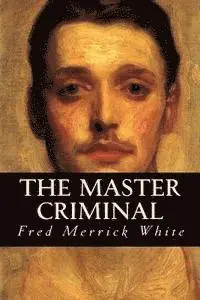
197 kr
Skickas inom 3-6 vardagar
307 kr
Skickas inom 3-6 vardagar

223 kr
Skickas inom 3-6 vardagar

182 kr
Skickas inom 3-6 vardagar
291 kr
Skickas inom 3-6 vardagar

294 kr
Skickas inom 3-6 vardagar
184 kr
Skickas inom 3-6 vardagar

192 kr
Skickas inom 3-6 vardagar
232 kr
Skickas inom 3-6 vardagar
194 kr
Skickas inom 3-6 vardagar

198 kr
Skickas inom 3-6 vardagar

223 kr
Skickas inom 3-6 vardagar
11 kr
Läs direkt efter köp

11 kr
Läs direkt efter köp

11 kr
Läs direkt efter köp

17 kr
Läs direkt efter köp
17 kr
Läs direkt efter köp
17 kr
Läs direkt efter köp
11 kr
Läs direkt efter köp
17 kr
Läs direkt efter köp

17 kr
Läs direkt efter köp
11 kr
Läs direkt efter köp
11 kr
Läs direkt efter köp
17 kr
Läs direkt efter köp

17 kr
Läs direkt efter köp