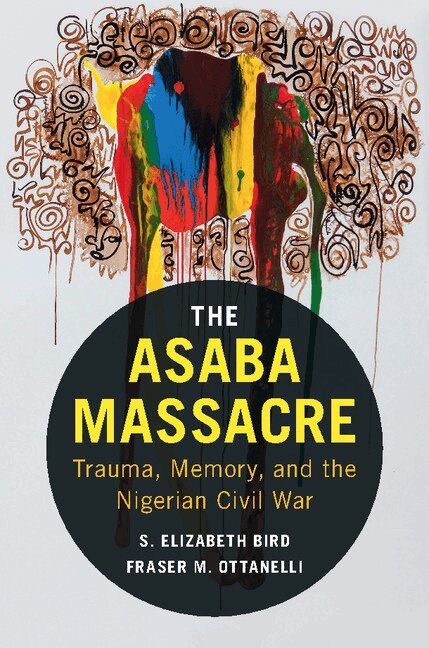
In October 1967, early in the Nigerian Civil War, government troops entered Asaba in pursuit of the retreating Biafran army, slaughtering thousands of civilians and leaving the town in ruins. News of the atrocity was suppressed by the Nigerian government, with the complicity of Britain, and its significance in the subsequent progress of that conflict was misunderstood. Drawing on archival sources on both sides of the Atlantic and interviews with survivors of the killing, pillaging and rape, as well as with high-ranking Nigerian military and political leaders, S. Elizabeth Bird and Fraser M. Ottanelli offer an interdisciplinary reconstruction of the history of the Asaba Massacre, redefining it as a pivotal point in the history of the war. Through this, they also explore the long afterlife of trauma, the reconstruction of memory and how it intersects with justice, and the task of reconciliation in a nation where a legacy of ethnic suspicion continues to reverberate.
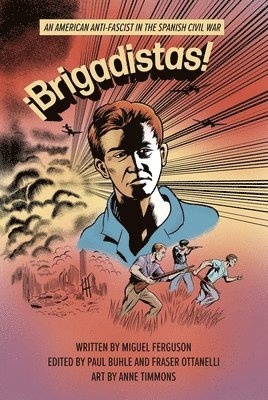
A graphic history featuring the true story of three friends from Brooklyn who join in the global fight against fascismIn this exhilarating graphic novel about the Spanish Civil War, three American friends set off from Brooklyn to join in the fight—determined to make Spain "the tomb of fascism" for the sake of us all. Together they defy the U.S. government and join the legendary Abraham Lincoln Brigade, throw themselves into battle, and conduct sabotage missions behind enemy lines. As Spain is shattered by the savagery of combat during the Spanish Civil War (1936-1939), readers see the darkening clouds of the World War to come.Artist Anne Timmons has created a thrilling graphic novel in the spirit of the "war comic" genre that appeared after the attack on Pearl Harbor and the United States' entry into World War II. Drawing upon the real-life experiences of Lincoln Brigade veteran Abe Osheroff, writer Miguel Ferguson offers a lively, accessible resource based on actual events during the Great Depression and the Spanish Civil War. ¡Brigadistas! will stir the memories of older audiences who remember the Spanish Civil War as a time of unparalleled international solidarity and heartbreak, and it will expose young audiences to the passions, politics, and conflicts of a bygone era with striking contemporary relevance.
Based on case studies spanning time and geography from the Spanish to the Nigerian civil wars, to government repression in Argentina and genocidal policies in Guatemala and Rwanda and, finally, to forced population removal in Australia and Israel, this collection represents a focused attempt to come to grips with some of the strategies used to publicly engage with traumatic memory work. The various essays offer a kaleidoscopic perspective of new approaches to show how such memory work contributes to transitional justice efforts, demonstrating the complexities of achieving justice and reconciliation through the open expression of shared memories of violence.