1 237 kr
Skickas inom 10-15 vardagar
1 237 kr
Skickas inom 10-15 vardagar
453 kr
Skickas inom 3-6 vardagar
277 kr
Skickas inom 10-15 vardagar
1 901 kr
Skickas inom 3-6 vardagar
206 kr
Skickas inom 10-15 vardagar
525 kr
Skickas
619 kr
Läs direkt efter köp
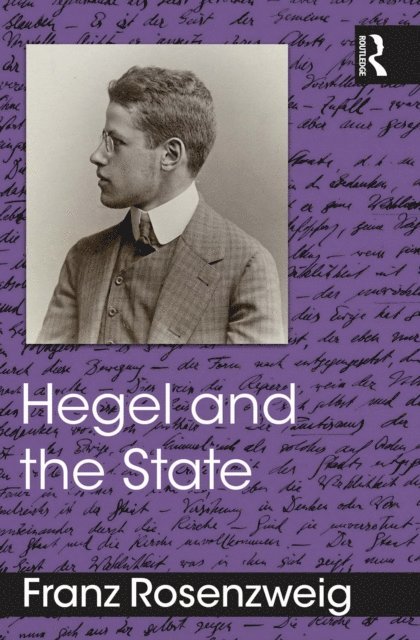
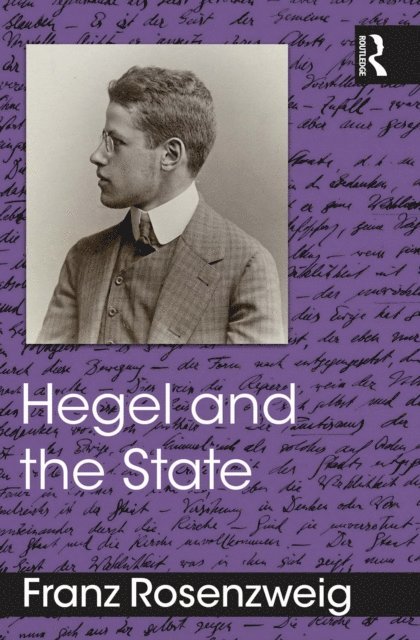
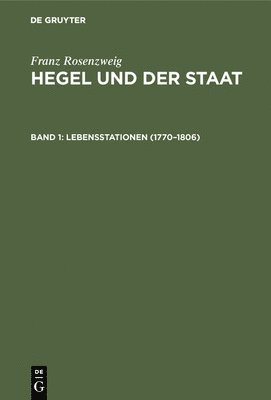
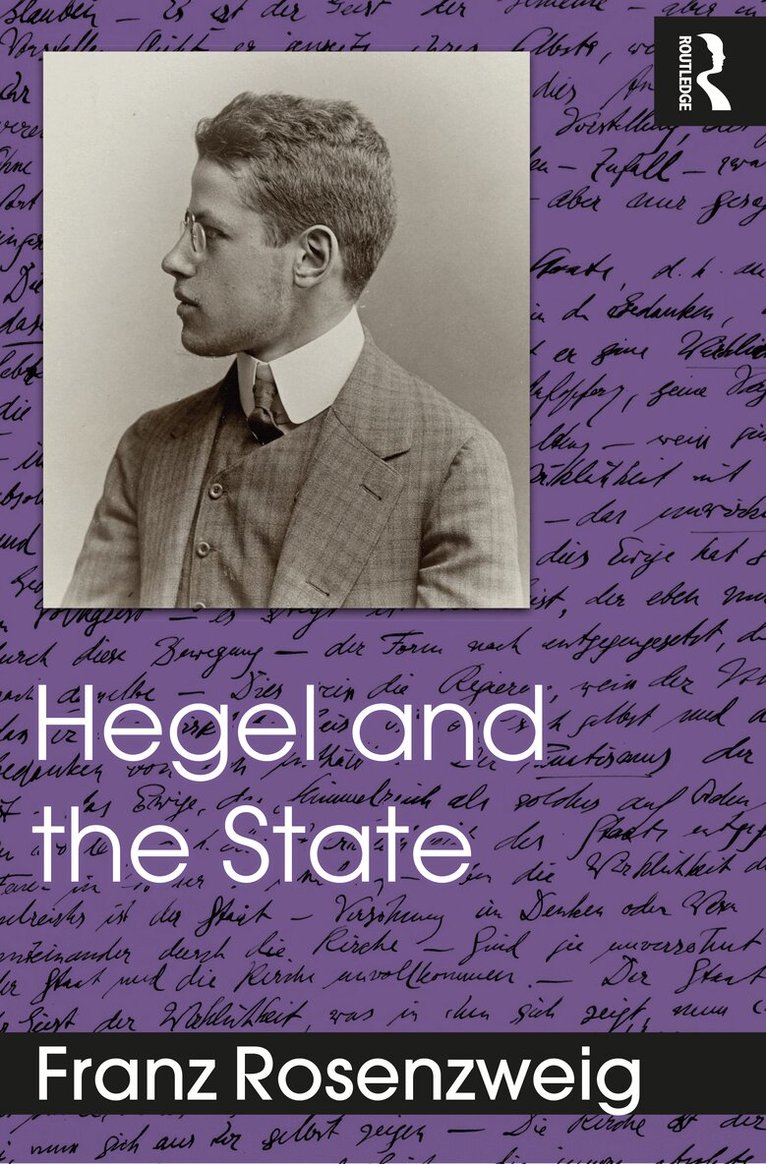
Franz Rosenzweig (1886–1929) is one of the most significant German Jewish philosophers of the twentieth century. Published in German in 1920 and now finally available in English for the first time, Hegel and the State is a major contribution to the understanding of Hegel''s political and social thought and a profound analysis of the intellectual currents that shaped the German state in the late nineteenth and early twentieth centuries.
Through careful readings of Hegel’s early handwritten manuscripts, Rosenzweig shows that Hegel was wrestling with the problem of how to reconcile the subjectivity and freedom of the individual within a community and ultimately the political state. According to Rosenzweig, the route out of this conundrum chosen by Hegel shaped his mature political philosophy, where he saw the relationship between the individual and the state as reciprocal. At a deeper level, the significance of Hegel and the State lies in the way that Rosenzweig explains the failure of Hegel''s quasi-communitarian view of the state to emerge, due to the authoritarian direction of the newly unified German state under Bismarck. Anticipating the political and moral disaster that was to follow, Rosenzweig concludes by questioning the very viability of any theory of the state that relies on the pillars of bureaucratic militarism and a government-supported capitalist business culture.
With the inclusion of a Foreword by Myriam Bienenstock and a substantial Afterword by Axel Honneth, Hegel and the State is a ground-breaking work of early twentieth-century philosophical and political thought. It is essential reading for students of Hegel, German Idealism, Jewish philosophy, and the origins of critical theory. It will also be of interest to those in related subjects such as the history of sociology, and German and intellectual history.
624 kr
Läs direkt efter köp
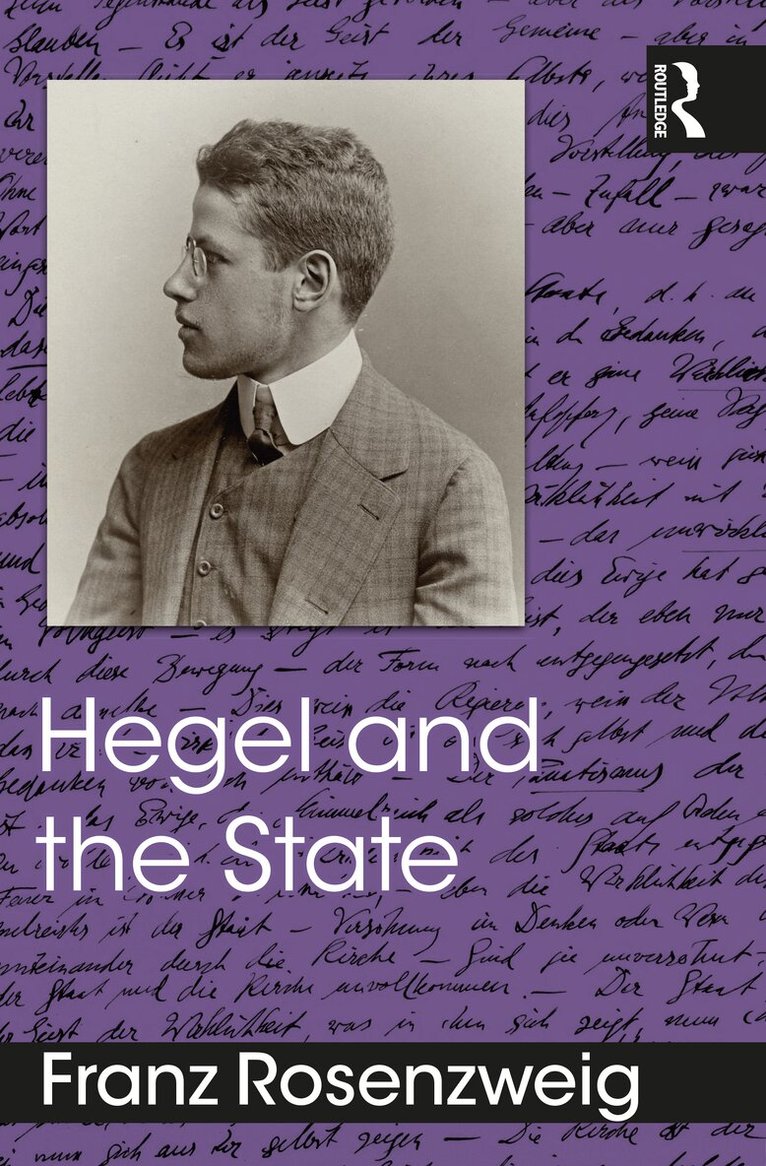
Franz Rosenzweig (1886–1929) is one of the most significant German Jewish philosophers of the twentieth century. Published in German in 1920 and now finally available in English for the first time, Hegel and the State is a major contribution to the understanding of Hegel''s political and social thought and a profound analysis of the intellectual currents that shaped the German state in the late nineteenth and early twentieth centuries.
Through careful readings of Hegel’s early handwritten manuscripts, Rosenzweig shows that Hegel was wrestling with the problem of how to reconcile the subjectivity and freedom of the individual within a community and ultimately the political state. According to Rosenzweig, the route out of this conundrum chosen by Hegel shaped his mature political philosophy, where he saw the relationship between the individual and the state as reciprocal. At a deeper level, the significance of Hegel and the State lies in the way that Rosenzweig explains the failure of Hegel''s quasi-communitarian view of the state to emerge, due to the authoritarian direction of the newly unified German state under Bismarck. Anticipating the political and moral disaster that was to follow, Rosenzweig concludes by questioning the very viability of any theory of the state that relies on the pillars of bureaucratic militarism and a government-supported capitalist business culture.
With the inclusion of a Foreword by Myriam Bienenstock and a substantial Afterword by Axel Honneth, Hegel and the State is a ground-breaking work of early twentieth-century philosophical and political thought. It is essential reading for students of Hegel, German Idealism, Jewish philosophy, and the origins of critical theory. It will also be of interest to those in related subjects such as the history of sociology, and German and intellectual history.
408 kr
Skickas inom 7-10 vardagar
277 kr
Skickas inom 7-10 vardagar
456 kr
Skickas inom 7-10 vardagar
303 kr
Skickas inom 7-10 vardagar
534 kr
Skickas inom 10-15 vardagar
1 681 kr
Skickas inom 3-6 vardagar
328 kr
Skickas inom 3-6 vardagar
179 kr
Skickas inom 3-6 vardagar
235 kr
Skickas inom 3-6 vardagar
165 kr
Läs direkt efter köp
148 kr
Läs direkt efter köp
1 632 kr
Skickas inom 10-15 vardagar
2 044 kr
Läs direkt efter köp
1 740 kr
Skickas inom 10-15 vardagar
1 502 kr
Läs direkt efter köp
1 123 kr
Skickas inom 10-15 vardagar
2 111 kr
Läs direkt efter köp
329 kr
Läs direkt efter köp
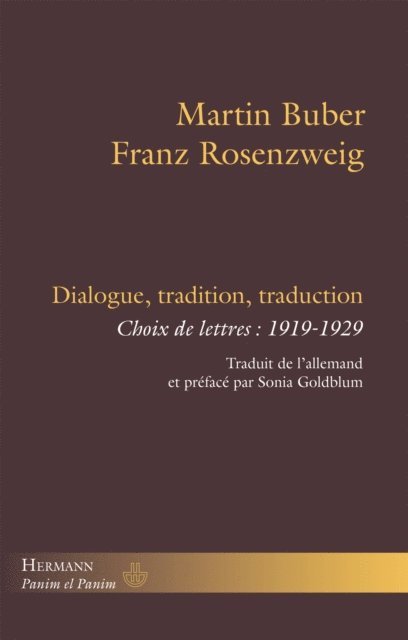
Ce choix de lettres retrace l’amitié exceptionnelle qui lia Martin Buber et Franz Rosenzweig, deux penseurs qui incarnent la richesse de la culture judéo-allemande avant l’arrivée d’Hitler au pouvoir. Leur amitié voit le jour en 1921, dans le cadre de la Maison d’études juives de Francfort, et s’intensifie progressivement. La nouvelle traduction de la Bible, que les deux hommes entreprennent en 1925, vient d’une certaine manière sceller cette affection. C’est ce projet qui fera entrer leur amitié dans la postérité, même si Buber est contraint de le mener seul à son terme, après le décès de Rosenzweig en 1929. Mais au-delà de ce projet majeur, ces lettres rendent comptent de toute une réflexion culturelle et théologique sur le judaïsme, la manière de l’enseigner et de lui redonner une signification vivante pour la population assimilée de l’Allemagne de l’entre-deux guerres.
Traduit de l''allemand et préfacé par Sonia Goldblum
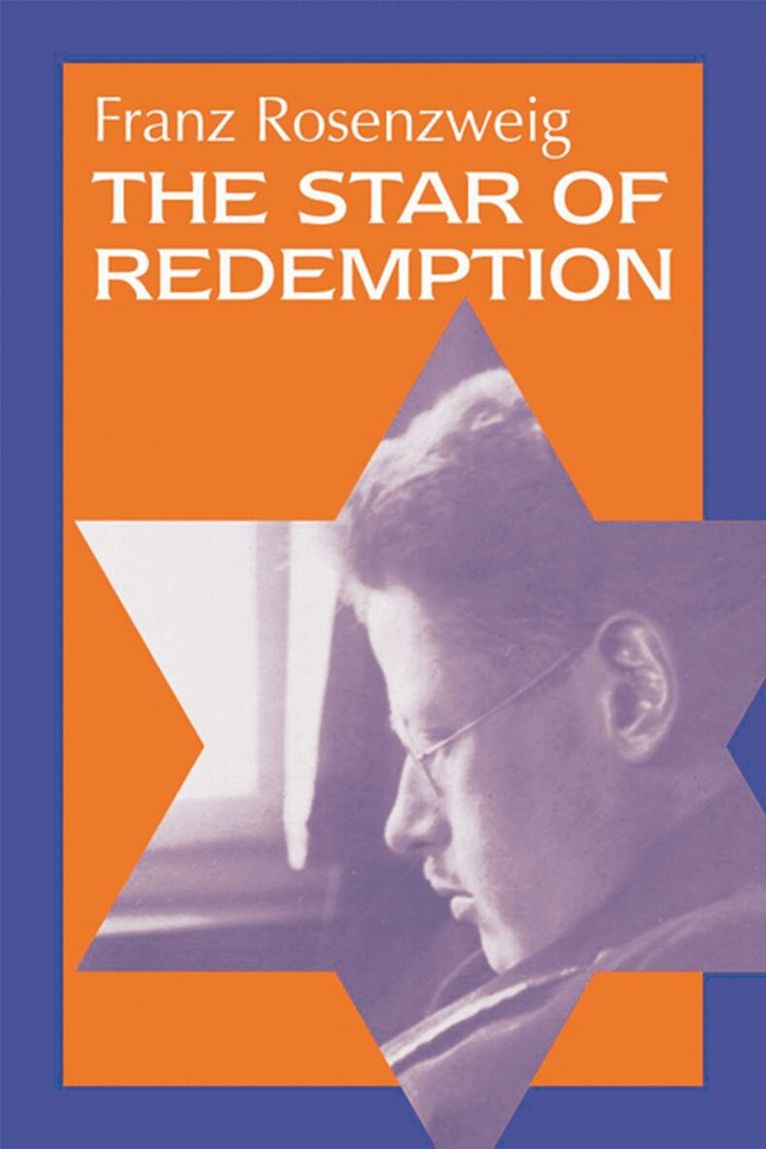
Franz Rosenzweig (1886-1929) est un philosophe et théologien juif allemand. Son œuvre maîtresse, L''Étoile de la rédemption (Der Stern der Erlösung), dont la rédaction commença dans les tranchées de la Première Guerre mondiale, fut publiée en 1921.
739 kr
Tillfälligt slut
1 111 kr
Tillfälligt slut
391 kr
Tillfälligt slut
1 970 kr
Tillfälligt slut