1 511 kr
Skickas inom 11-20 vardagar
1 511 kr
Skickas inom 11-20 vardagar
2 109 kr
Läs direkt efter köp
740 kr
Läs direkt efter köp
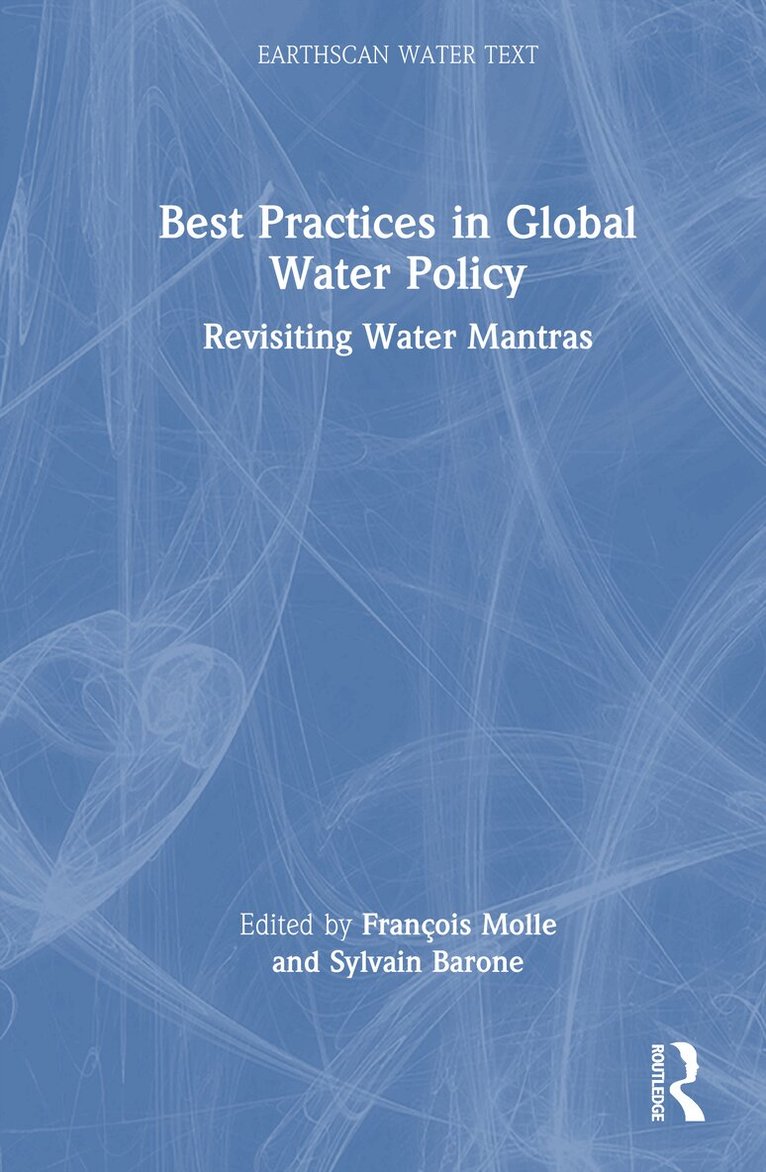
This volume challenges the assumption that dominant water-management solutions are universally effective, neutral and scientifically validated.
Global water policy tends to frame certain concepts and tools – such as river basin organisations, water pricing, drip irrigation, nature-based solutions and wastewater reuse – as ‘best practices’. These ready-made solutions, endorsed by policymakers, development agencies and experts, are widely disseminated across countries with limited critical scrutiny. This book examines how these dominant solutions, while often appearing rational and evidence-based, can obscure trade-offs, negative externalities and unintended consequences. From irrigation modernisation projects that inadvertently increase water consumption due to the rebound effect to water user associations that fail to address deeper governance and equity issues, this book engages with 20 ‘best practices’ to illustrate how universal solutions often ignore the complexity of water politics, institutional settings, cultural specificities and ecological realities. While not dismissing the value of best practices outright, this book argues for a more sceptical, politically aware and context-sensitive approach to water management. It calls for a shift in the burden of proof: rather than accepting a best practice as effective unless proven otherwise, water governance should start by scrutinising the potential externalities, risks and limitations of any proposed intervention.
This book is essential reading for students, academics and professionals in water policy, water governance and environmental management more broadly.
746 kr
Läs direkt efter köp
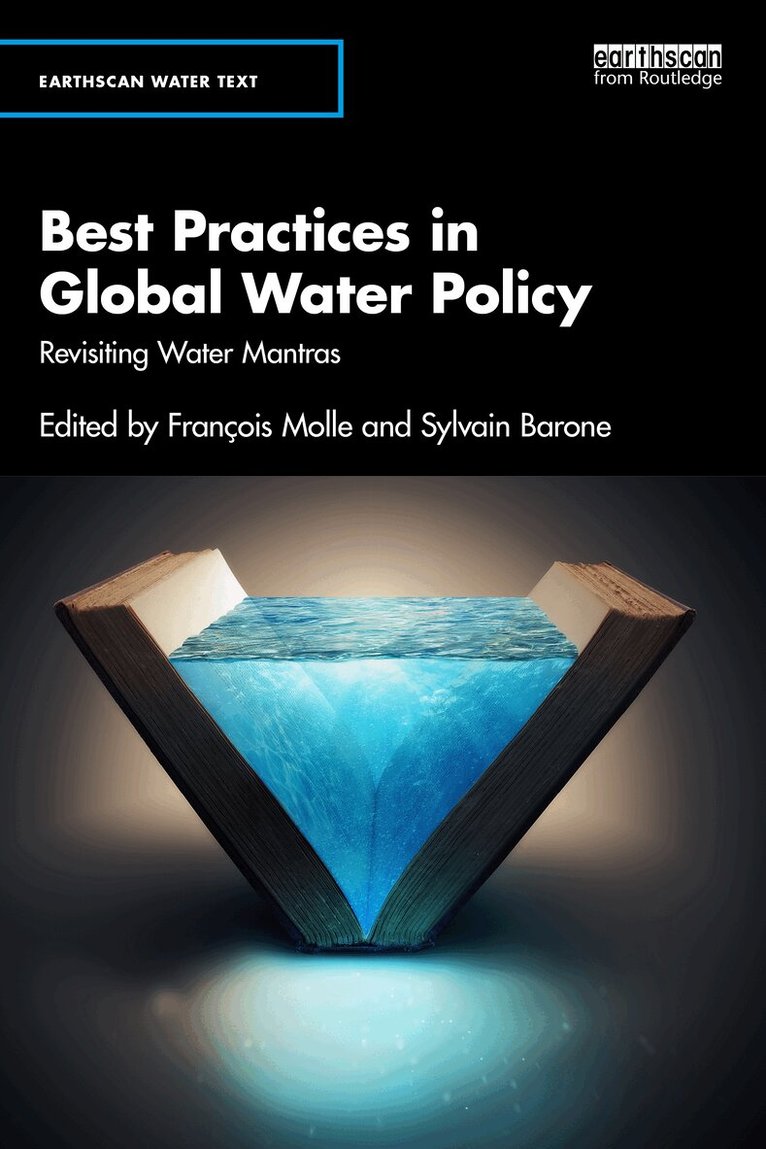
This volume challenges the assumption that dominant water-management solutions are universally effective, neutral and scientifically validated.
Global water policy tends to frame certain concepts and tools – such as river basin organisations, water pricing, drip irrigation, nature-based solutions and wastewater reuse – as ‘best practices’. These ready-made solutions, endorsed by policymakers, development agencies and experts, are widely disseminated across countries with limited critical scrutiny. This book examines how these dominant solutions, while often appearing rational and evidence-based, can obscure trade-offs, negative externalities and unintended consequences. From irrigation modernisation projects that inadvertently increase water consumption due to the rebound effect to water user associations that fail to address deeper governance and equity issues, this book engages with 20 ‘best practices’ to illustrate how universal solutions often ignore the complexity of water politics, institutional settings, cultural specificities and ecological realities. While not dismissing the value of best practices outright, this book argues for a more sceptical, politically aware and context-sensitive approach to water management. It calls for a shift in the burden of proof: rather than accepting a best practice as effective unless proven otherwise, water governance should start by scrutinising the potential externalities, risks and limitations of any proposed intervention.
This book is essential reading for students, academics and professionals in water policy, water governance and environmental management more broadly.
642 kr
Skickas inom 10-15 vardagar
2 515 kr
Skickas inom 10-15 vardagar
1 034 kr
Läs direkt efter köp
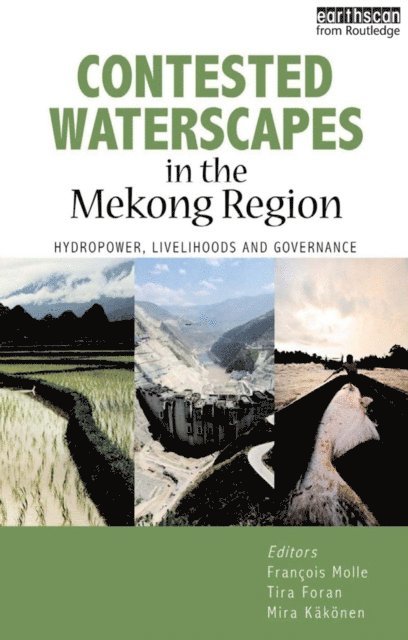
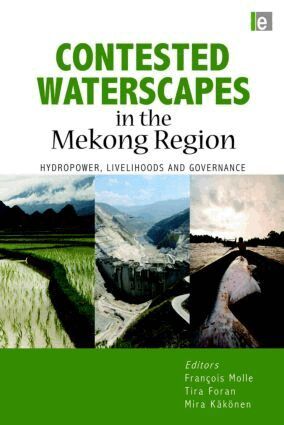
The catchment area of the Mekong River and its tributaries extends from China, through Burma/Myanmar, Thailand, Laos, Cambodia and to Vietnam. The water resources of the Mekong region - from the Irrawaddy and Nu-Salween in the west, across the Chao Phraya to the Lancang-Mekong and Red River in the east- are increasingly contested. Governments, companies, and banks are driving new investments in roads, dams, diversions, irrigation schemes, navigation facilities, power plants and other emblems of conventional ''development''. Their plans and interventions should provide some benefits, but also pose multiple burdens and risks to millions of people dependent on wetlands, floodplains and aquatic resources, in particular, the wild capture fisheries of rivers and lakes.
This book examines how large-scale projects are being proposed, justified, and built. How are such projects contested and how do specific governance regimes influence decision making? The book also highlights the emergence of new actors, rights and trade-off debates, and the social and environmental consequences of ''water resources development''.
This book shows how diverse, and often antagonistic, ideologies and interests are contesting for legitimacy. It argues that the distribution of decision-making, political, and discursive power influences how the waterscapes of the region will ultimately look and how benefits, costs and risks will be distributed. These issues are crucial for the transformation of waterscapes and the prospects for democratizing water governance in the Mekong region.
The book is part of the action-research of the M-POWER (Mekong Program on Water, Environment and Resilience) knowledge network.
Published with IFAD, CG|AR Challenge Program on Water & Food, M-POWER, Project ECHEL-EAU and HEINRICH BOLL STIFTUNG
1 049 kr
Läs direkt efter köp
The catchment area of the Mekong River and its tributaries extends from China, through Burma/Myanmar, Thailand, Laos, Cambodia and to Vietnam. The water resources of the Mekong region - from the Irrawaddy and Nu-Salween in the west, across the Chao Phraya to the Lancang-Mekong and Red River in the east- are increasingly contested. Governments, companies, and banks are driving new investments in roads, dams, diversions, irrigation schemes, navigation facilities, power plants and other emblems of conventional ''development''. Their plans and interventions should provide some benefits, but also pose multiple burdens and risks to millions of people dependent on wetlands, floodplains and aquatic resources, in particular, the wild capture fisheries of rivers and lakes.
This book examines how large-scale projects are being proposed, justified, and built. How are such projects contested and how do specific governance regimes influence decision making? The book also highlights the emergence of new actors, rights and trade-off debates, and the social and environmental consequences of ''water resources development''.
This book shows how diverse, and often antagonistic, ideologies and interests are contesting for legitimacy. It argues that the distribution of decision-making, political, and discursive power influences how the waterscapes of the region will ultimately look and how benefits, costs and risks will be distributed. These issues are crucial for the transformation of waterscapes and the prospects for democratizing water governance in the Mekong region.
The book is part of the action-research of the M-POWER (Mekong Program on Water, Environment and Resilience) knowledge network.
Published with IFAD, CG|AR Challenge Program on Water & Food, M-POWER, Project ECHEL-EAU and HEINRICH BOLL STIFTUNG
887 kr
Skickas inom 10-15 vardagar
2 515 kr
Skickas inom 10-15 vardagar
1 876 kr
Skickas inom 7-10 vardagar
381 kr
Läs direkt efter köp
381 kr
Läs direkt efter köp
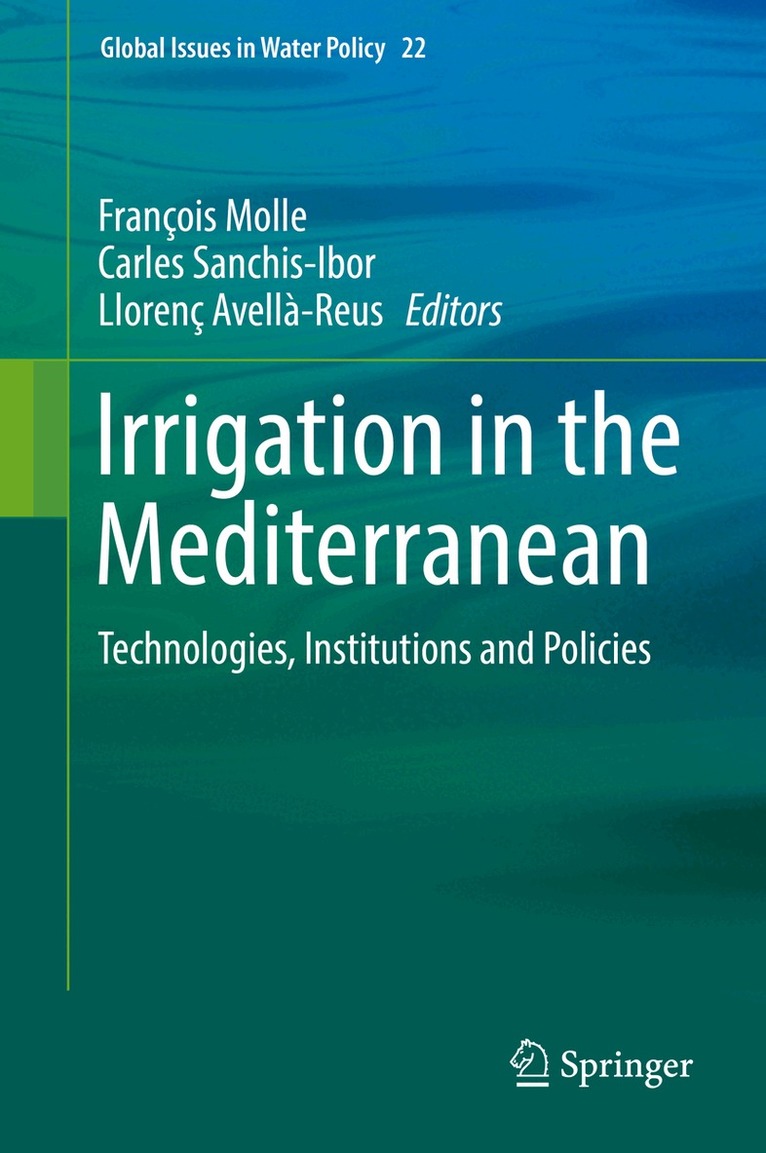
Technologies, Institutions and Policies
1 090 kr
Skickas inom 10-15 vardagar
1 333 kr
Läs direkt efter köp
1 876 kr
Tillfälligt slut