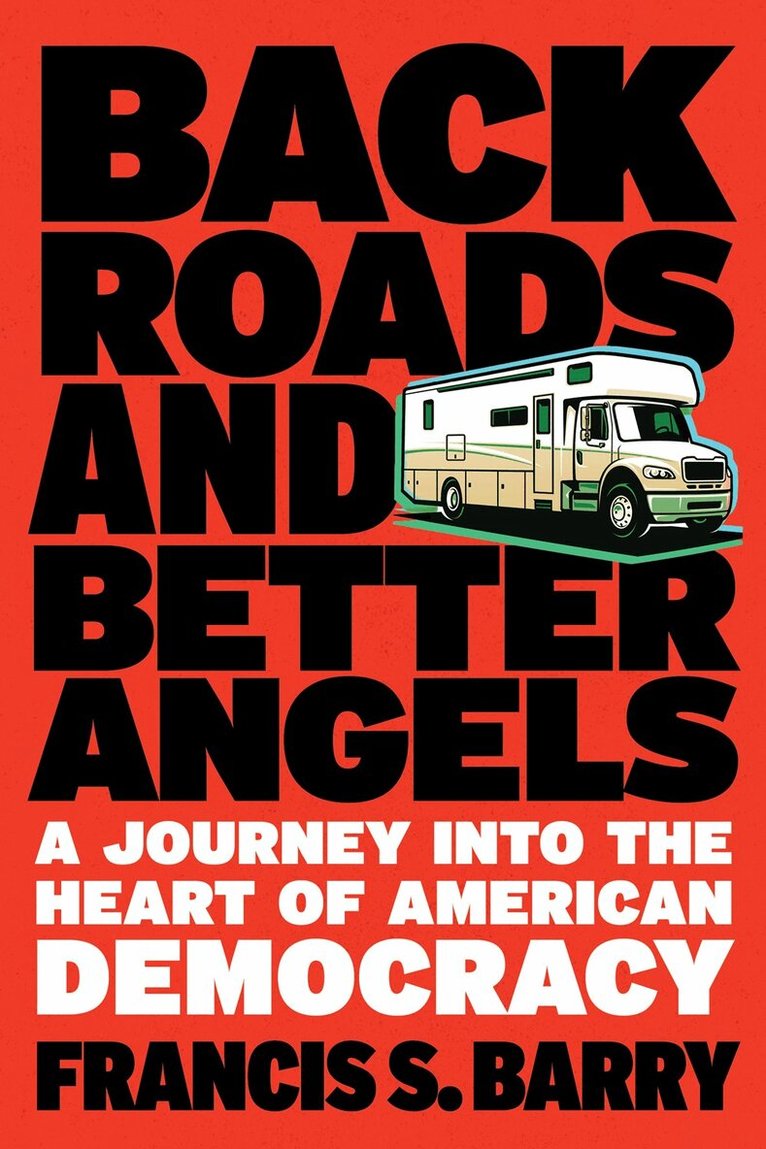
Bringing together two of America’s unifying loves — road trips and Abraham Lincoln — Frank Barry takes readers on a thought-provoking journey into the heart of our democracy and the soul of our country“Barry probes the American soul, finding its biases, but also, nurtured by its complicated past, our better angels — with an opportunity to move forward.” — Ken BurnsA year into his marriage and having never driven an RV, Frank and his wife Laurel set out from New York City in a Winnebago to drive the nation’s first transcontinental route, the Lincoln Highway, which zigzags through small towns and big cities from Times Square to San Francisco.Using the spirit of Abraham Lincoln to guide them across the land, they hope to see more clearly what holds the country together — and how we can keep it together, even amidst political divisions have grown increasingly rancorous, bitter, and exhausting.Along the way, Frank and Laurel meet Americans whose personal experiences help humanize the nation’s divisions, and they encounter historical figures and events whose legacies are still shaping our sense of national identity and the struggles over it.This unforgettable journey is full of what makes any great road trip memorable and enjoyable: music, conversation, and laughter. By the end, readers will have a clearer picture of how we have arrived at a period that carries echoes of the Civil War era, and — using Lincoln as a guide — where the path forward lies.
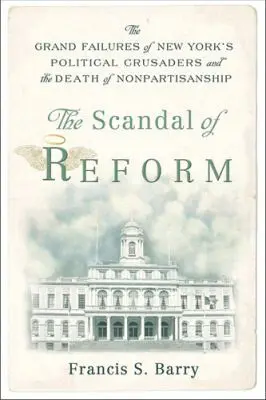
No city in the world has seen more intense political battles between bosses and reformers than New York, which is home to America's original party machine, Tammany Hall, and its most spectacular urban corruption scandals. In these battles, reformers have always presented themselves as white knights, gallantly crusading for good government against the petty and corrupt hacks who are driven by self-interest. So it remains today. But, as The Scandal of Reform makes clear, this good versus evil storyline is mostly mythù an urban legend perpetuated by a reform community that has always been more selfrighteous than right and more interested in power than in democracy. The Scandal of Reform pulls the curtain back on New York's reformers past and present, revealing the bonds they have always shared with the bosses they disdain, the policy failures they still refuse to recognize, and the transition they have made from nonpartisan outsiders to ideological insiders. Francis S. Barry examines the evolution of political reform from the frontlines of New York City's recent reform wars. He offers an insider's account and analysis of the controversial 2003 referendum debate on nonpartisan elections, and he challenges reformersùand members of both partiesùto reconsider their faith in reforms that are no longer serving the public interest.