1 974 kr
Skickas inom 10-15 vardagar
1 974 kr
Skickas inom 10-15 vardagar
2 324 kr
Skickas inom 10-15 vardagar
749 kr
Läs direkt efter köp
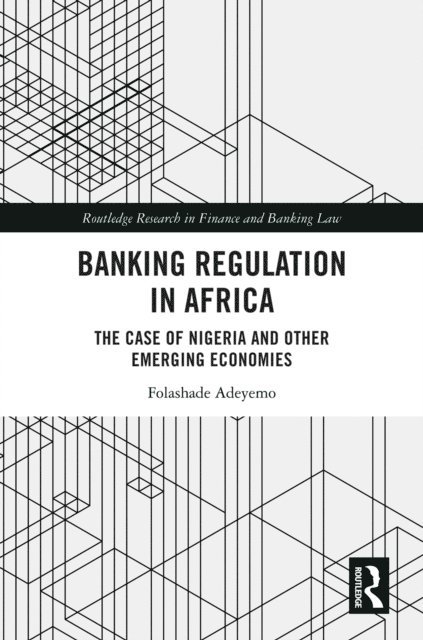
There is little literature on the development of banking regulation in Nigeria, or the scope of powers of the Central Bank of Nigeria, which is its core banking sector regulator. The critical impetus of this book is to contribute to the literature of this area, with a detailed exploration of the Nigerian regulatory architecture. In addition, the book also engages in a comparative analysis with two emerging economies in Africa: South Africa and Kenya. It also considers the UK and the US as comparator jurisdictions in light of their regulatory responses to the global financial crisis of 2008. This book contributes to the ongoing discourse in this area by exploring, in detail, the theoretical underpinnings of regulation and supervision, to determine whether there is an understanding of what constitutes effective regulation in these jurisdictions.
Given that Nigeria is the core jurisdictional focus, a historical account of banking exchanges from the pre-colonial era to more recent times is provided. Offering an understanding of how political, local and economic settings, in conjunction with the theories of regulation, have impacted and influenced regulatory development in Nigeria, the book engages in an examination of Nigeria’s historical experiences with bank failures, including the banking crisis it experienced in 2008. The newly enacted Banks and Other Financial Institutions Act 2020 is also explored as part of this discourse. Through a critical analysis of the law, the book demonstrates that the Nigerian regulator has historically adopted a reactionary strategy, instead of a proactive and pragmatic approach, which is imperative for an effective regulatory regime. The outcome of this analysis is that there are lessons to be learned, and proposals are discussed in order to rethink the act of banking regulation.
622 kr
Läs direkt efter köp
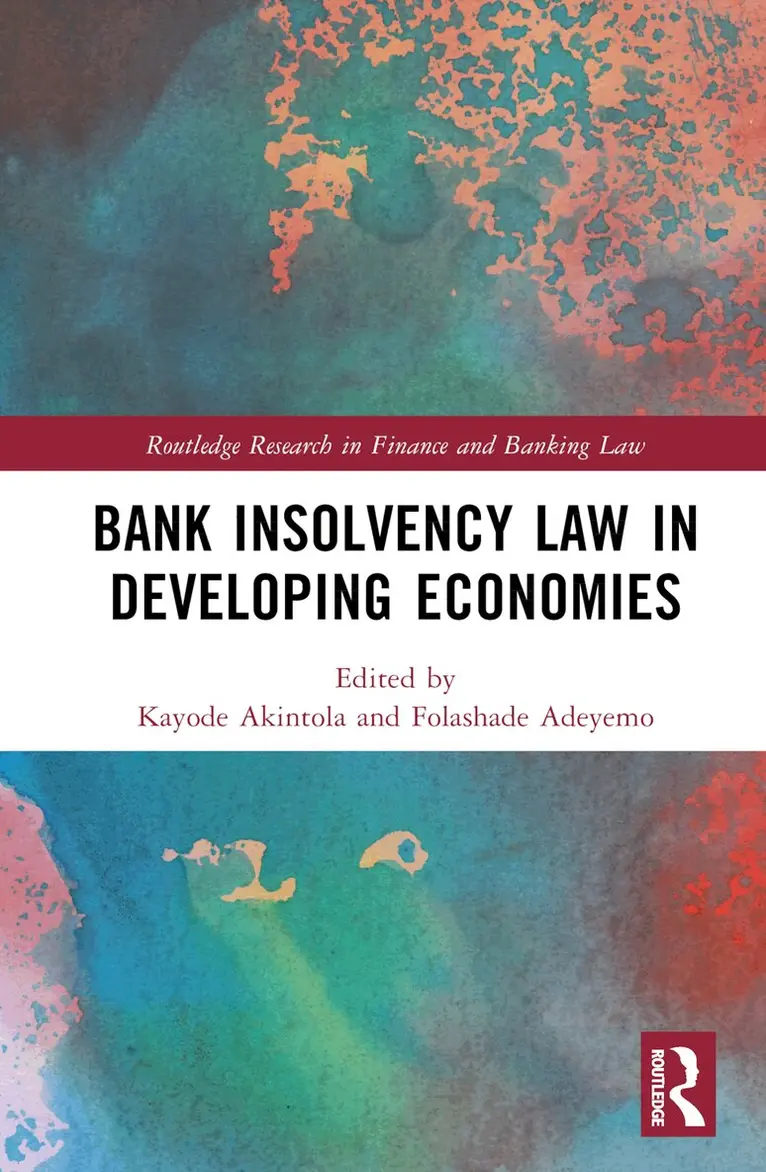
The subject of bank stability has been under a great amount of political and legislative scrutiny since the mid-2007 to late-2009 global financial crisis. However, these efforts have centred on developed economies. Little coverage is given to strategies adopted by many developing economies. While there is a global discourse on the subject of insolvency generally, there is ample scope to contribute to the growing body of work on the narrow subject of bank insolvencies. This book provides a unique perspective on an emerging theme in at least two respects. First is the focus on selected developing economies and selected developed economies in the EMEA region alongside cross-border developments, with the objective of deciphering the regulatory approach to bank insolvencies. The second is the analytical consideration of methods that may be implemented to preclude or resolve bank insolvencies in developing economies. This book explores the nexus between developing economies and their banking institutions. Developing economies are acutely dependent on their banks for the functioning of their cash-based economies. Recent events, however, suggest a weakness in the long-term viability of some of their banks and a mixed-bag regulatory approach to redress this weakness. This book evaluates the effectiveness of regulatory frameworks in selected developing economies that are designed to prevent or resolve the insolvency of banks. At a time of global economic uncertainty, this book will prove to be a valuable resource to the discourse on the viability of banks, businesses, and economies in developing States.
617 kr
Läs direkt efter köp
The subject of bank stability has been under a great amount of political and legislative scrutiny since the mid-2007 to late-2009 global financial crisis. However, these efforts have centred on developed economies. Little coverage is given to strategies adopted by many developing economies. While there is a global discourse on the subject of insolvency generally, there is ample scope to contribute to the growing body of work on the narrow subject of bank insolvencies. This book provides a unique perspective on an emerging theme in at least two respects. First is the focus on selected developing economies and selected developed economies in the EMEA region alongside cross-border developments, with the objective of deciphering the regulatory approach to bank insolvencies. The second is the analytical consideration of methods that may be implemented to preclude or resolve bank insolvencies in developing economies. This book explores the nexus between developing economies and their banking institutions. Developing economies are acutely dependent on their banks for the functioning of their cash-based economies. Recent events, however, suggest a weakness in the long-term viability of some of their banks and a mixed-bag regulatory approach to redress this weakness. This book evaluates the effectiveness of regulatory frameworks in selected developing economies that are designed to prevent or resolve the insolvency of banks. At a time of global economic uncertainty, this book will prove to be a valuable resource to the discourse on the viability of banks, businesses, and economies in developing States.
475 kr
Skickas
636 kr
Skickas inom 10-15 vardagar
2 602 kr
Skickas inom 10-15 vardagar
2 324 kr
Skickas inom 10-15 vardagar
685 kr
Läs direkt efter köp
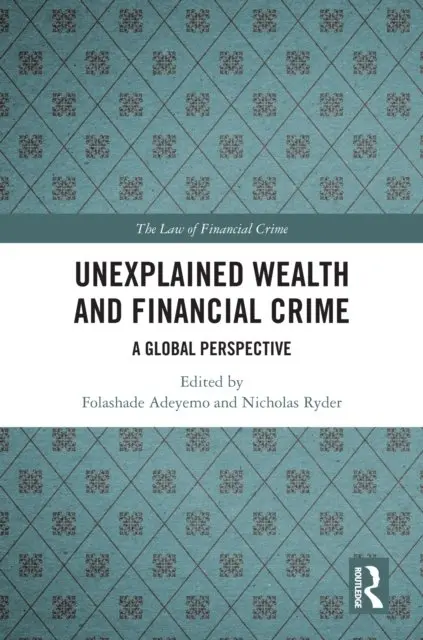
This book considers the growing and emerging issue of unexplained wealth and how this issue fits within the larger challenge of financial and economic crime. The collection provides a rich and robust contribution to the dearth of knowledge in this space. Contributions are drawn from legal practitioners, academics, and experts from the Global South, Global North, and the Asia- Pacific region, who share their insights into the methods and approaches that have been utilised to tackle unexplained wealth in their respective countries. Each author provides a comprehensive critique of the current regime in addressing the issue and identifies failings. The volume further considers how unexplained wealth can be recognised as an important category, similar in this respect to fraud, bribery, corruption, and tax evasion amongst others. Establishing the issue of unexplained wealth as an independent area of research, the book will be essential reading for researchers, academics, and policymakers working in the areas of financial and economic crime, banking law, and international corporate governance.
2 142 kr
Skickas inom 7-10 vardagar
436 kr
Läs direkt efter köp
Key Features:
Accessible and conversational proseA tight focus on core knowledge with manageable levels of detailImportant concepts, cases and legislation are highlighted for ease of referenceStudent-friendly layout with key lessons and learning objectives clearly identifiedPrinciples of Commercial Law is perfectly suited to law students studying undergraduate commercial law modules in their second or third years. It will also be beneficial as an accessible introductory text on higher level courses for students who are newer to the topic.466 kr
Skickas inom 7-10 vardagar