2 210 kr
Skickas inom 10-15 vardagar
2 210 kr
Skickas inom 10-15 vardagar
731 kr
Skickas inom 10-15 vardagar
850 kr
Läs direkt efter köp
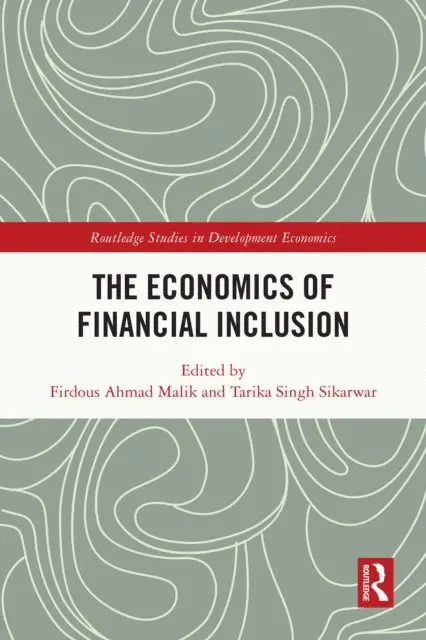
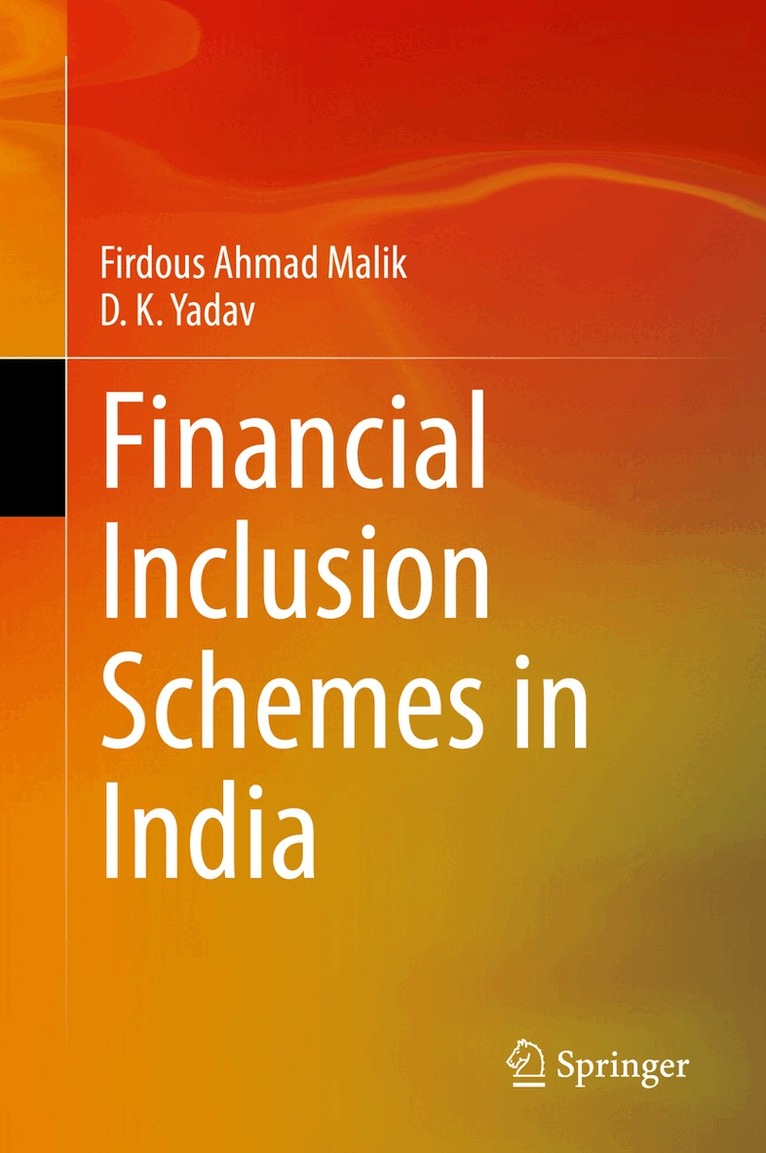
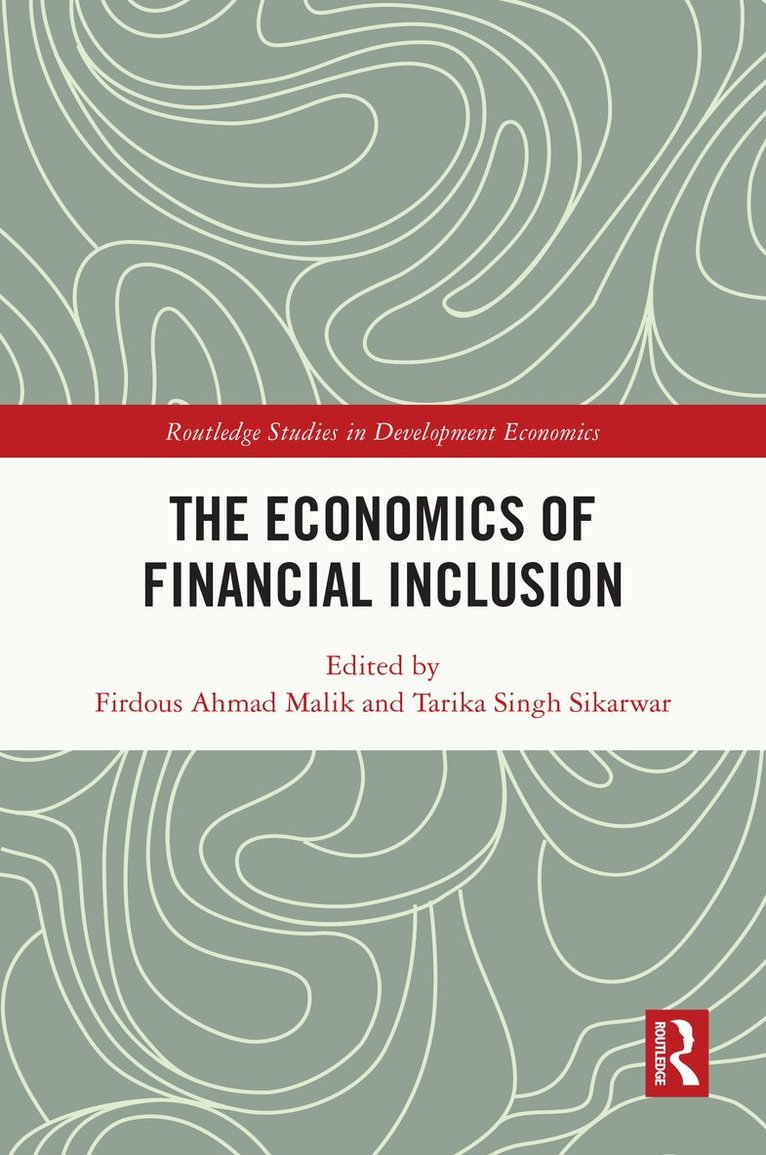
This book offers a thorough examination of the economics of financial inclusion and management from a contemporary standpoint. It covers a vast array of financial inclusion-related topics, surveying economies around the globe and analyzes the factors that contribute to both financial inclusion and exclusion.
The book discusses the role of technology, examining how technological advances have revolutionized financial services and increased access to populations that were previously underserved. It studies the intersection of financial inclusion and sustainability, highlighting the significance of green finance and its role in fostering inclusive and sustainable economic growth. Financial literacy and the theories underlying financial inclusion efforts are examined, as is the impact of financial criminality. Further, the authors consider regional development and the extant gaps in financial inclusion as well as the urban-rural divide, investigating disparities between urban and rural areas and proposing strategies to bridge the gap. They also assess the effect of inflation and recession and discuss how monetary and fiscal policies can impact inclusion initiatives. The book concludes with a management perspective on financial inclusion, with chapters devoted to various aspects of administering inclusive financial systems. It combines theoretical insights with empirical evidence and case studies, from both developing and developed nations, to illustrate the various approaches and challenges and to provide a comprehensive understanding of worldwide advancements and developments. The comparative approach provides readers with insights into diverse strategies and best practices for overcoming challenges and obstacles and for promoting financial inclusion in various economic contexts.
Overall, readers will benefit from the book''s comprehensive analysis and exhaustive coverage. It is an invaluable resource for advanced students, scholars, researchers and policymakers.
838 kr
Läs direkt efter köp
This book offers a thorough examination of the economics of financial inclusion and management from a contemporary standpoint. It covers a vast array of financial inclusion-related topics, surveying economies around the globe and analyzes the factors that contribute to both financial inclusion and exclusion.
The book discusses the role of technology, examining how technological advances have revolutionized financial services and increased access to populations that were previously underserved. It studies the intersection of financial inclusion and sustainability, highlighting the significance of green finance and its role in fostering inclusive and sustainable economic growth. Financial literacy and the theories underlying financial inclusion efforts are examined, as is the impact of financial criminality. Further, the authors consider regional development and the extant gaps in financial inclusion as well as the urban-rural divide, investigating disparities between urban and rural areas and proposing strategies to bridge the gap. They also assess the effect of inflation and recession and discuss how monetary and fiscal policies can impact inclusion initiatives. The book concludes with a management perspective on financial inclusion, with chapters devoted to various aspects of administering inclusive financial systems. It combines theoretical insights with empirical evidence and case studies, from both developing and developed nations, to illustrate the various approaches and challenges and to provide a comprehensive understanding of worldwide advancements and developments. The comparative approach provides readers with insights into diverse strategies and best practices for overcoming challenges and obstacles and for promoting financial inclusion in various economic contexts.
Overall, readers will benefit from the book''s comprehensive analysis and exhaustive coverage. It is an invaluable resource for advanced students, scholars, researchers and policymakers.
2 172 kr
Skickas inom 7-10 vardagar
2 905 kr
Läs direkt efter köp
2 172 kr
Skickas inom 7-10 vardagar
2 862 kr
Läs direkt efter köp
1 747 kr
Skickas inom 10-15 vardagar
2 274 kr
Läs direkt efter köp
2 256 kr
Kommande
1 234 kr
Skickas inom 10-15 vardagar
1 634 kr
Läs direkt efter köp
1 234 kr
Skickas inom 10-15 vardagar
1 681 kr
Skickas inom 10-15 vardagar
2 174 kr
Läs direkt efter köp
686 kr
Skickas inom 7-10 vardagar
1 681 kr
Skickas inom 10-15 vardagar
1 406 kr
Skickas inom 10-15 vardagar
1 948 kr
Läs direkt efter köp
2 147 kr
Skickas inom 7-10 vardagar
2 925 kr
Läs direkt efter köp
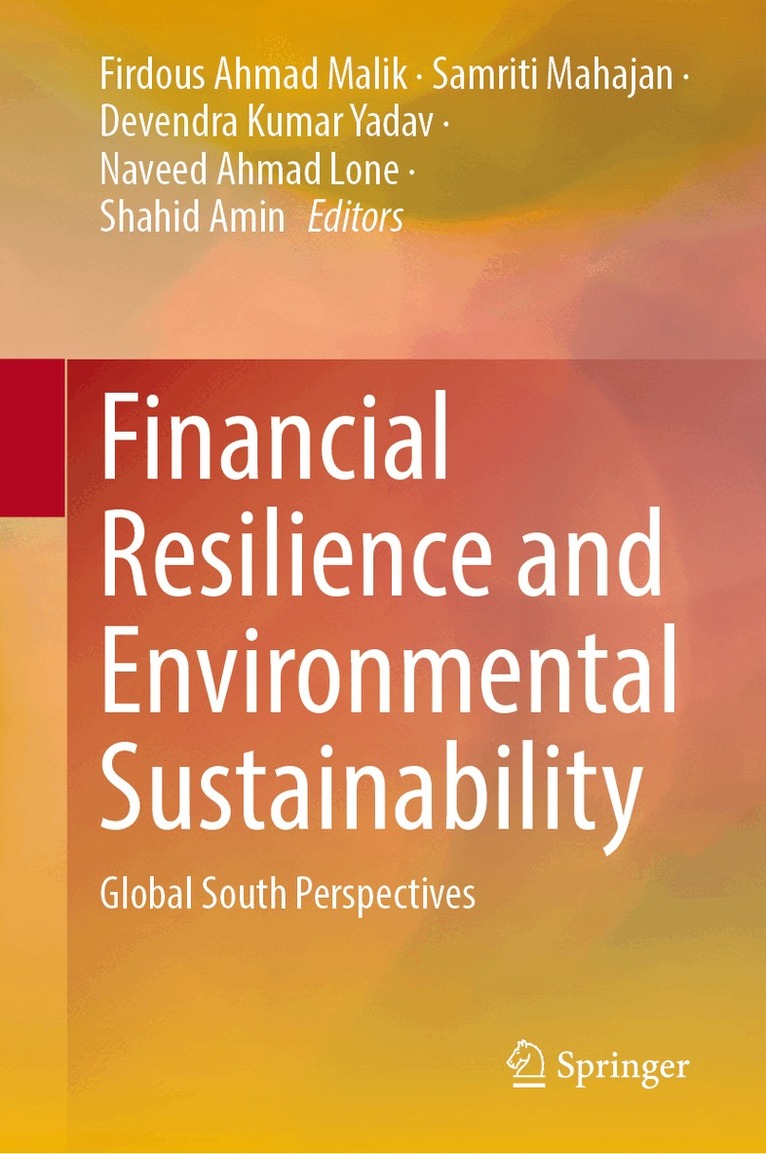
This book offers a thorough examination of financial resilience and environmental sustainability, focusing on the financing of environmental sustainability, and addressing the issues, challenges, and opportunities of green financing alongside sustainable development. It presents global South perspectives on the critical issues of financing and environmental sustainability, providing policy recommendations for economies grappling with these paradoxical concerns.
This book explores the challenges of financing and environmental sustainability through insights from various emerging economies. It combines theoretical, empirical, and model-based evidence to address the sustainability challenges faced by global economies, aligning with sustainable development goals.
The book investigates climate change and environmental degradation challenges and examines economic strategies for a sustainable future. With over one billion people living below the poverty line, many lacking access to financial products and services, this book aims to present practical examples of financial inclusion, using the sustainable development goals as a framework.
The book illustrates that comprehensive financial inclusion goes beyond credit access and bank account services, addressing the need for financially viable and accessible products and services that meet individuals'' financial needs and vulnerabilities. It demonstrates how inclusive financial systems can empower those living in poverty globally, improving income levels, employment opportunities, livelihoods, and ultimately reducing poverty.
2 157 kr
Skickas inom 10-15 vardagar
2 470 kr
Skickas inom 3-6 vardagar
2 680 kr
Skickas inom 7-10 vardagar
2 228 kr
Skickas inom 7-10 vardagar
3 926 kr
Skickas inom 7-10 vardagar
3 444 kr
Skickas inom 7-10 vardagar
4 504 kr
Skickas inom 7-10 vardagar
3 331 kr
Skickas inom 7-10 vardagar