2 602 kr
Skickas inom 10-15 vardagar
2 602 kr
Skickas inom 10-15 vardagar
831 kr
Läs direkt efter köp
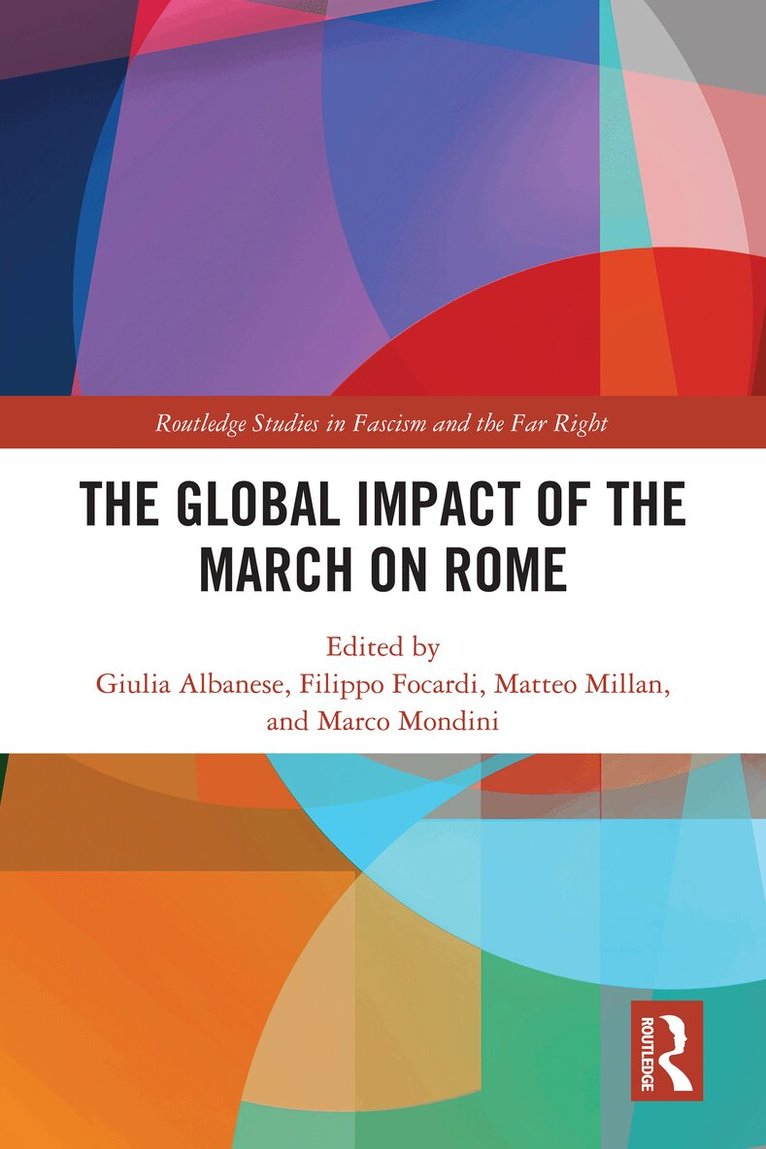
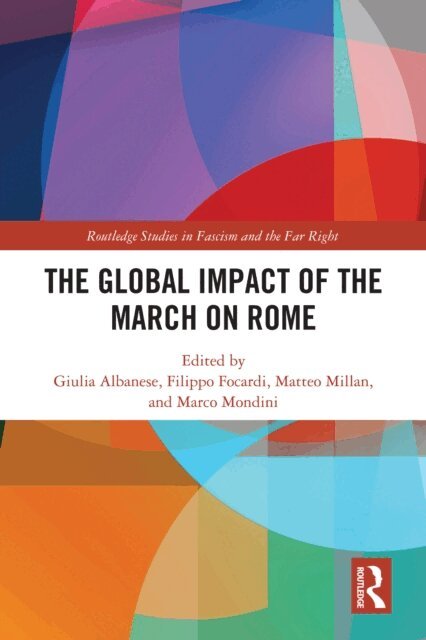
This comprehensive collection of chapters provides a nuanced and multifaceted analysis of the global impact of the March on Rome, offering valuable insights into the spread and adaptation of Fascist ideologies in different cultural and political contexts beyond Italy in the 1920s and 1930s.
The chapters seek to contextualise the transformation of political cultures in 1920s Europe and provide a better understanding of the reasons for Fascism''s success in the interwar world. By exploring these diverse perspectives and experiences, the book sheds light on the complex processes of ideological transfer, adaptation, and resistance that characterised the global reception of Fascism in the wake of the March on Rome. It underscores the importance of considering local contexts, transnational networks, and individual actors in tracing the trajectory of Fascist influence across Western and Eastern Europe, Latin America and the United States.
This book will appeal to an academic and scholarly audience at many levels, particularly in undergraduate and postgraduate courses on Italian and European history. Its accessible engagement of the broader issue of fascism and its transnational spread will also be of interest to a general readership interested in the history of Europe during the interwar period.
813 kr
Läs direkt efter köp
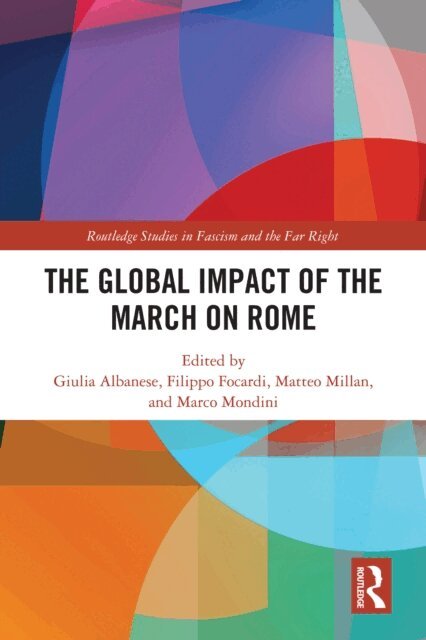
This comprehensive collection of chapters provides a nuanced and multifaceted analysis of the global impact of the March on Rome, offering valuable insights into the spread and adaptation of Fascist ideologies in different cultural and political contexts beyond Italy in the 1920s and 1930s.
The chapters seek to contextualise the transformation of political cultures in 1920s Europe and provide a better understanding of the reasons for Fascism''s success in the interwar world. By exploring these diverse perspectives and experiences, the book sheds light on the complex processes of ideological transfer, adaptation, and resistance that characterised the global reception of Fascism in the wake of the March on Rome. It underscores the importance of considering local contexts, transnational networks, and individual actors in tracing the trajectory of Fascist influence across Western and Eastern Europe, Latin America and the United States.
This book will appeal to an academic and scholarly audience at many levels, particularly in undergraduate and postgraduate courses on Italian and European history. Its accessible engagement of the broader issue of fascism and its transnational spread will also be of interest to a general readership interested in the history of Europe during the interwar period.
1 255 kr
Skickas
1 414 kr
Skickas inom 7-10 vardagar
1 233 kr
Läs direkt efter köp
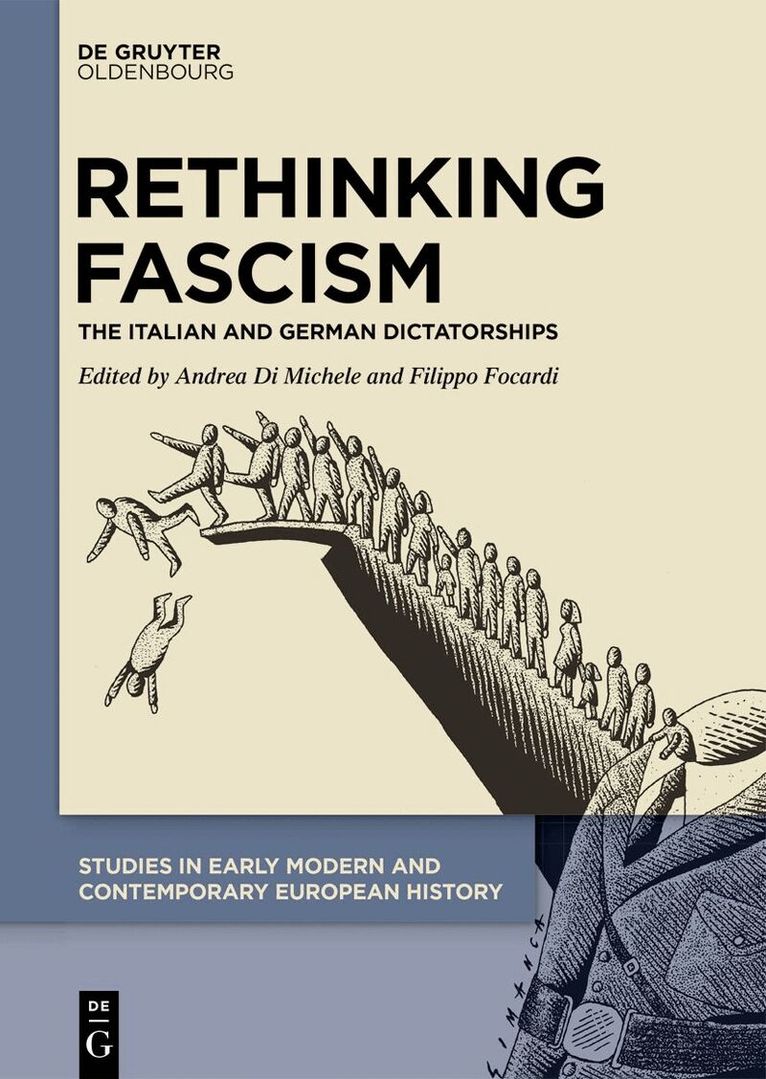
This book takes up the stimuli of new international historiography, albeit focusing mainly on the two regimes that undoubtedly provided the model for Fascist movements in Europe, namely the Italian and the German. Starting with a historiographical assessment of the international situation, vis-à-vis studies on Fascism and National Socialism, and then concentrate on certain aspects that are essential to any study of the two dictatorships, namely the complex relationships with their respective societies, the figures of the two dictators and the role of violence. This volume reaches beyond the time-frame encompassing Fascism and National Socialism experiences, directing the attention also toward the period subsequent to their demise. This is done in two ways. On the one hand, examining the uncomfortable architectural legacy left by dictatorships to the democratic societies that came after the war. On the other hand, the book addresses an issue that is very much alive both in the strictly historiographical and political science debate, that is to say, to what extent can the label of Fascism be used to identify political phenomena of these current times, such as movements and parties of the so-called populist and souverainist right.
1 241 kr
Läs direkt efter köp
This book takes up the stimuli of new international historiography, albeit focusing mainly on the two regimes that undoubtedly provided the model for Fascist movements in Europe, namely the Italian and the German. Starting with a historiographical assessment of the international situation, vis-à-vis studies on Fascism and National Socialism, and then concentrate on certain aspects that are essential to any study of the two dictatorships, namely the complex relationships with their respective societies, the figures of the two dictators and the role of violence. This volume reaches beyond the time-frame encompassing Fascism and National Socialism experiences, directing the attention also toward the period subsequent to their demise. This is done in two ways. On the one hand, examining the uncomfortable architectural legacy left by dictatorships to the democratic societies that came after the war. On the other hand, the book addresses an issue that is very much alive both in the strictly historiographical and political science debate, that is to say, to what extent can the label of Fascism be used to identify political phenomena of these current times, such as movements and parties of the so-called populist and souverainist right.
425 kr
Tillfälligt slut
567 kr
Tillfälligt slut