Inbunden, Engelska, 2027
1 025 kr
Kommande
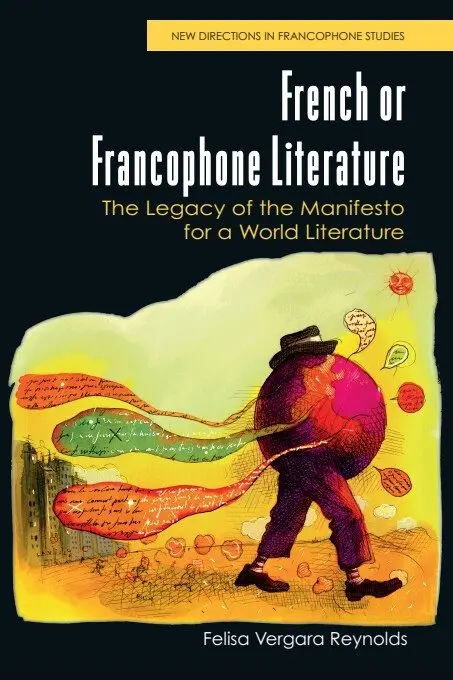
Twenty years after the Pour une littérature-monde manifesto declared the distinction between French and Francophone literature obsolete, that distinction remains firmly in place. This book looks back at what the manifesto hoped to accomplish, acknowledges the scholars who have traced its effects in the years since, and asks why the distinction endures. Through four case studies organised around moments of literary consecration, it examines how Albert Camus and Marguerite Duras, both born outside metropolitan France, are received as unambiguously French, while Maryse Condé and Atiq Rahimi, despite equivalent institutional recognition, are persistently marked as Francophone. It argues that France’s commitment to universalism, rather than dissolving this distinction, helps sustain it. Drawing on press coverage and library classification systems, Felisa Vergara Reynolds argues that the factor determining who is French and who is Francophone lies beyond nationality or geography. She proposes the term 'Frenchwashing' to describe the selective absorption of certain writers into French literature and the exclusion of others, a process whose organising principle stems from structural racism.