2 497 kr
Skickas inom 10-15 vardagar
2 497 kr
Skickas inom 10-15 vardagar
2 515 kr
Skickas inom 10-15 vardagar
590 kr
Skickas inom 10-15 vardagar
1 051 kr
Läs direkt efter köp
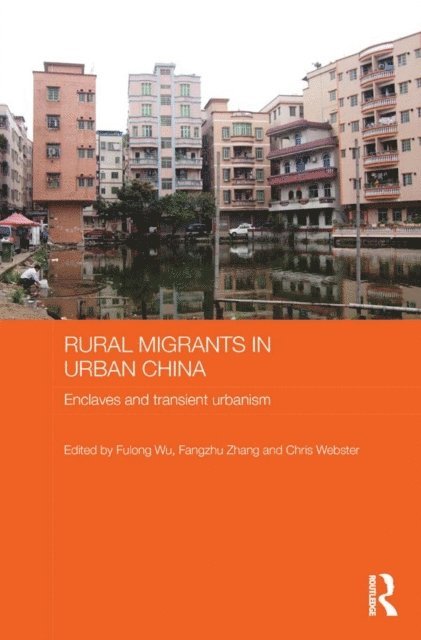
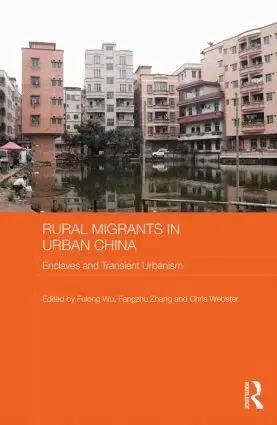
After millions of migrants moved from China’s countryside into its sprawling cities a unique kind of ‘informal’ urban enclave was born – ‘villages in the city’. Like the shanties and favelas before them elsewhere, there has been huge pressure to redevelop these blemishes to the urban face of China’s economic vision. Unlike most developing countries, however, these are not squatter settlements but owner-occupied settlements developed semi-formally by ex-farmers turned small-developers and landlords who rent shockingly high-density rooms to rural migrants, who can outnumber their landlord villagers. A strong state, matched with well-organised landlords collectively represented through joint-stock companies, has meant that it has been relatively easy to grow the city through demolition of these soft migrant enclaves. The lives of the displaced migrants then enter a transient phase from an informal to a formal urbanity. This book looks at migrants and their enclave ‘villages in the city’ and reveals the characteristics and changes in migrants’ livelihoods and living places.
Using an interdisciplinary approach, the book analyses how living in the city transforms and changes rural migrant households, and explores the social lives and micro economies of migrant neighbourhoods. It goes on to discuss changing housing and social conditions and spatial changes in the urban villages of major Chinese cities, as well as looking into transient urbanism and examining the consequences of redevelopment and upgrading of the ‘villages in the city’; in particular, the planning, regeneration, politics of development, and socio-economic implications of these immense social, economic and physical upheavals.
1 051 kr
Läs direkt efter köp
After millions of migrants moved from China’s countryside into its sprawling cities a unique kind of ‘informal’ urban enclave was born – ‘villages in the city’. Like the shanties and favelas before them elsewhere, there has been huge pressure to redevelop these blemishes to the urban face of China’s economic vision. Unlike most developing countries, however, these are not squatter settlements but owner-occupied settlements developed semi-formally by ex-farmers turned small-developers and landlords who rent shockingly high-density rooms to rural migrants, who can outnumber their landlord villagers. A strong state, matched with well-organised landlords collectively represented through joint-stock companies, has meant that it has been relatively easy to grow the city through demolition of these soft migrant enclaves. The lives of the displaced migrants then enter a transient phase from an informal to a formal urbanity. This book looks at migrants and their enclave ‘villages in the city’ and reveals the characteristics and changes in migrants’ livelihoods and living places.
Using an interdisciplinary approach, the book analyses how living in the city transforms and changes rural migrant households, and explores the social lives and micro economies of migrant neighbourhoods. It goes on to discuss changing housing and social conditions and spatial changes in the urban villages of major Chinese cities, as well as looking into transient urbanism and examining the consequences of redevelopment and upgrading of the ‘villages in the city’; in particular, the planning, regeneration, politics of development, and socio-economic implications of these immense social, economic and physical upheavals.
902 kr
Skickas inom 10-15 vardagar
679 kr
Skickas inom 11-20 vardagar
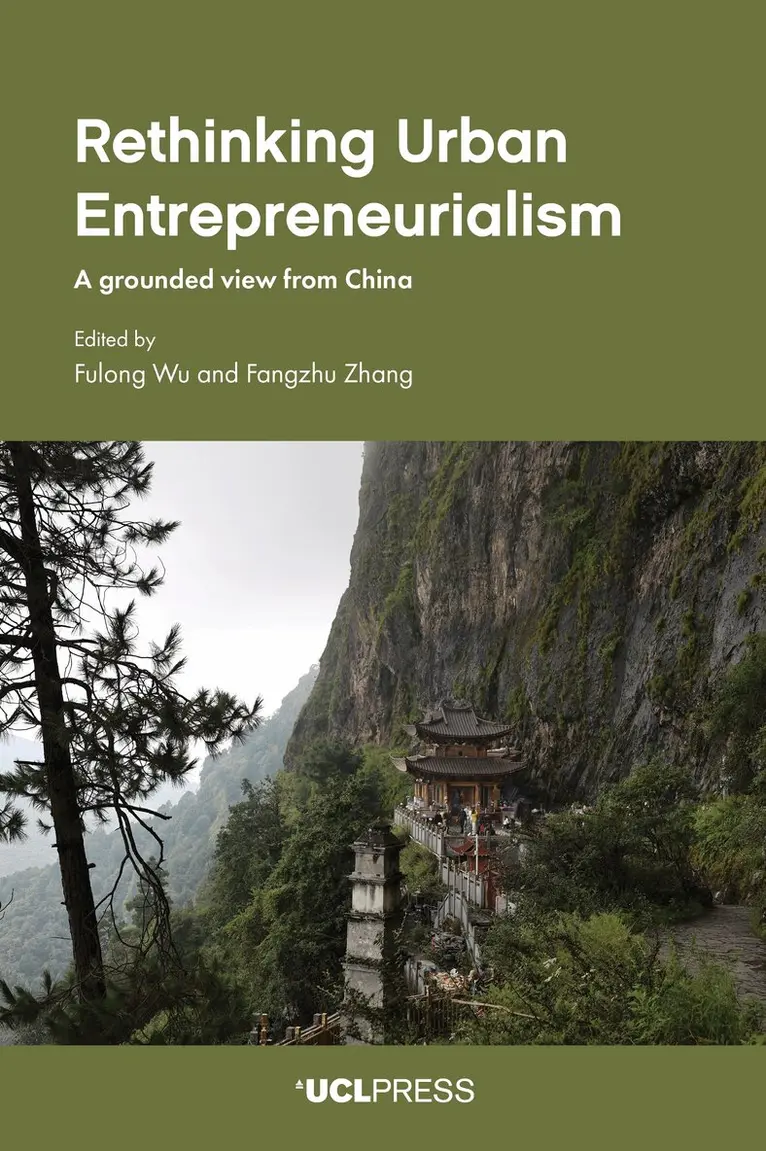
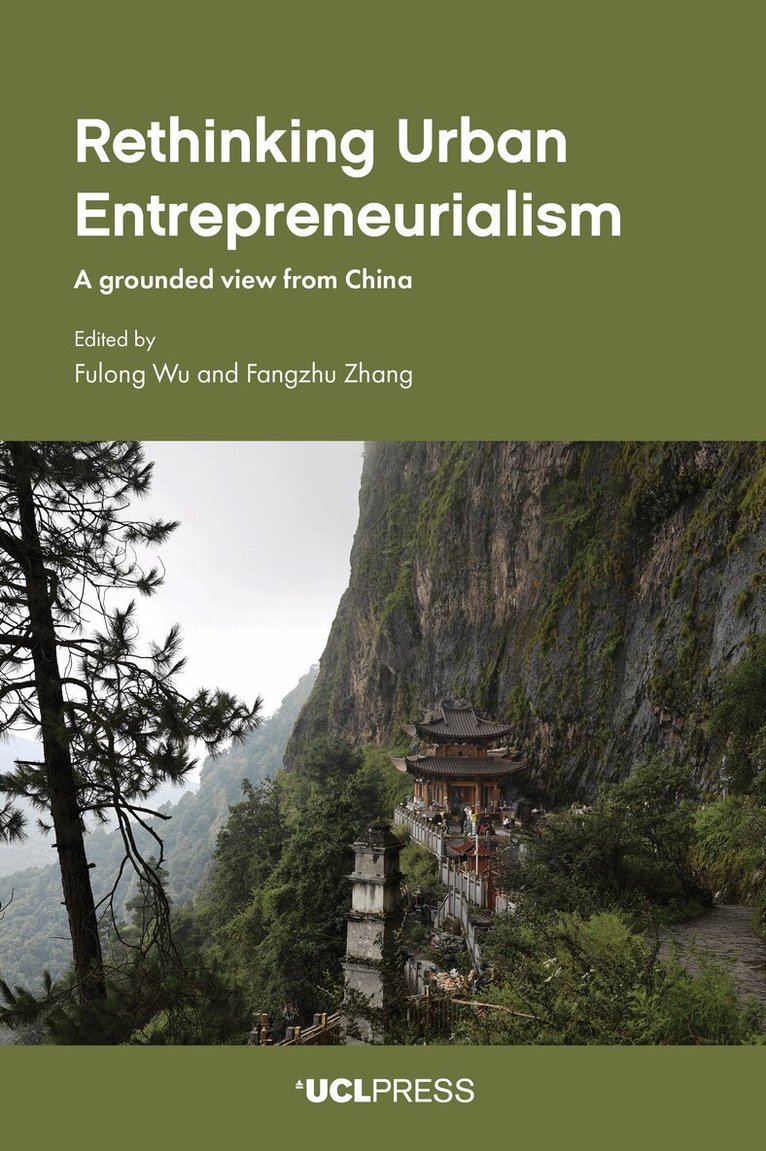
China’s urban governance demonstrates perplexing and contradictory features. Despite market-oriented reform, the role of the state remains salient. What is the logic behind governing urban China? Chinese scholars provide a grounded view.
Rethinking Urban Entrepreneurialism challenges the conventional understanding of urban entrepreneurialism and argues that Chinese urban governance comprises two interrelated aspects: entrepreneurial governance and innovative statecraft. The first refers to the deployment of market-based approaches to urban development, and the second refers to versatile techniques. Urban entrepreneurialism encompasses both market-oriented approaches and administrative innovations. The state upholds its strategic and extra-economic objectives by deploying and mobilising the market and society. Urban entrepreneurialism also demonstrates a strong state intentionality rather than following the market logic. The book reveals the challenges to urban entrepreneurialism, the limits of entrepreneurial governance, and multiple managerial practices in China.
By examining entrepreneurial urban development and governance experiments, it paints a comprehensive picture of contemporary urban governance in China. It transcends the binary view of authoritarianism versus urban entrepreneurialism, showcasing a wide spectrum of entrepreneurial and managerial governance features. To rethink urban entrepreneurialism, the book suggests that it extends public-private partnerships into a broader form of statecraft known as ‘state entrepreneurialism’.
435 kr
Skickas inom 11-20 vardagar
China’s urban governance demonstrates perplexing and contradictory features. Despite market-oriented reform, the role of the state remains salient. What is the logic behind governing urban China? Chinese scholars provide a grounded view.
Rethinking Urban Entrepreneurialism challenges the conventional understanding of urban entrepreneurialism and argues that Chinese urban governance comprises two interrelated aspects: entrepreneurial governance and innovative statecraft. The first refers to the deployment of market-based approaches to urban development, and the second refers to versatile techniques. Urban entrepreneurialism encompasses both market-oriented approaches and administrative innovations. The state upholds its strategic and extra-economic objectives by deploying and mobilising the market and society. Urban entrepreneurialism also demonstrates a strong state intentionality rather than following the market logic. The book reveals the challenges to urban entrepreneurialism, the limits of entrepreneurial governance, and multiple managerial practices in China.
By examining entrepreneurial urban development and governance experiments, it paints a comprehensive picture of contemporary urban governance in China. It transcends the binary view of authoritarianism versus urban entrepreneurialism, showcasing a wide spectrum of entrepreneurial and managerial governance features. To rethink urban entrepreneurialism, the book suggests that it extends public-private partnerships into a broader form of statecraft known as ‘state entrepreneurialism’.
3 715 kr
Skickas inom 7-10 vardagar
880 kr
Läs direkt efter köp
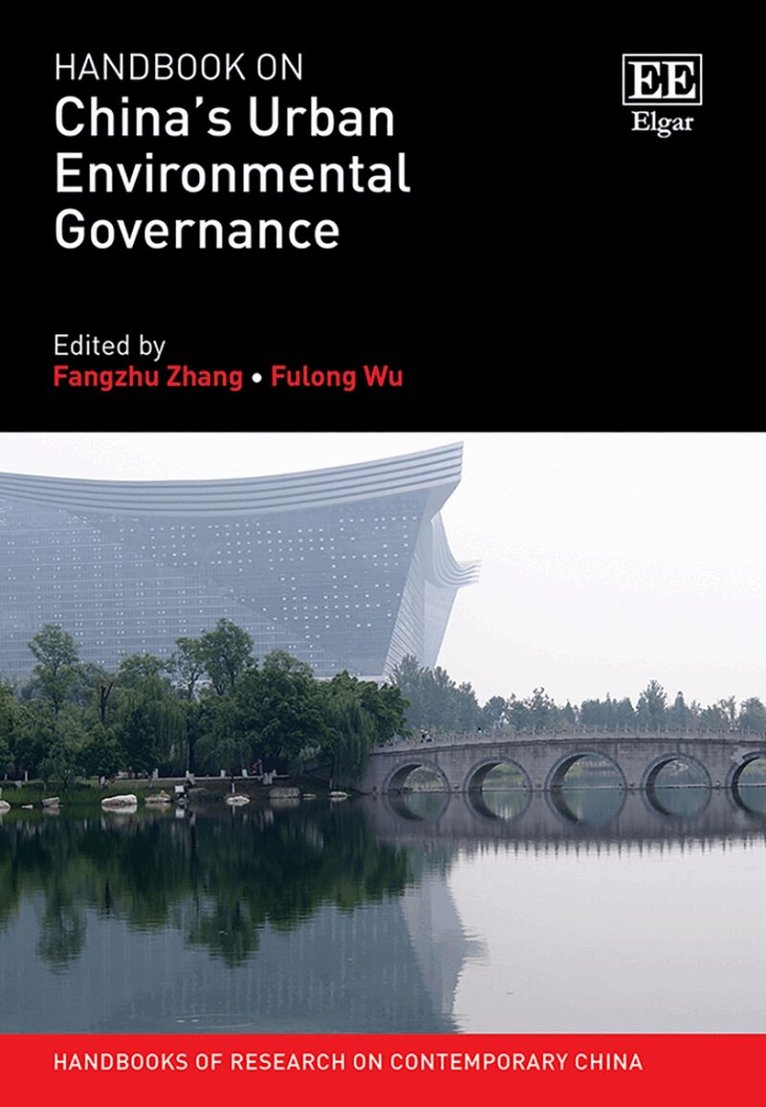
Exploring the context of changing urban environmental policies in China, leading international scholars highlight the arts of governance and governmentality through experimentation and discourse. Chapters investigate the political ecologies of eco-cities and conservation, urban waste management, and governance and sustainability transitions, as well as focusing on low-carbon innovations and green buildings. With a territorial perspective grounded in Chinese cities, contributors interrogate changing and complex state–market–society dynamics in urbanisation and urban environmental governance.
With a thorough and systematic analysis of new environmental initiatives, practices, and impacts, this Handbook provides scholars, students, and policy researchers of environmental studies, politics, and East Asian studies with an exemplary selection of contemporary research on China’s urban environmental governance.