306 kr
Skickas
306 kr
Skickas
1 002 kr
Skickas inom 10-15 vardagar
1 004 kr
Läs direkt efter köp
2 526 kr
Skickas inom 10-15 vardagar
695 kr
Skickas inom 10-15 vardagar
2 526 kr
Skickas inom 10-15 vardagar
695 kr
Skickas inom 10-15 vardagar
2 602 kr
Skickas inom 10-15 vardagar
695 kr
Skickas inom 10-15 vardagar
746 kr
Skickas inom 10-15 vardagar
716 kr
Skickas inom 10-15 vardagar
2 526 kr
Skickas inom 10-15 vardagar
745 kr
Skickas inom 10-15 vardagar
2 497 kr
Skickas inom 10-15 vardagar
2 760 kr
Skickas inom 10-15 vardagar
745 kr
Skickas inom 10-15 vardagar
499 kr
Skickas inom 10-15 vardagar
2 455 kr
Skickas inom 10-15 vardagar
1 530 kr
Skickas inom 10-15 vardagar
3 083 kr
Skickas inom 10-15 vardagar
3 838 kr
Skickas inom 7-10 vardagar
2 085 kr
Skickas inom 10-15 vardagar
1 838 kr
Skickas inom 10-15 vardagar
808 kr
Läs direkt efter köp
This volume explores and develops new social-scientific tools for the analysis and understanding of contemporary military missions in theatre.
Despite the advent of new types of armed conflict, the social-scientific study of militaries in action continues to focus on tools developed in the hey-day of conventional wars. These tools focus on such classic issues as cohesion and leadership, communication and unit dynamics, or discipline and motivation. While these issues continue to be important, most studies focus on organic units (up to and including brigades). By contrast, this volume suggests the utility of concepts related to mission formations – as opposed to ‘units’ or ‘components’ – to better capture the (ongoing) processual nature of the amalgamations and combinations that military involvement in conflicts necessitates. The study of these formations by the social sciences – sociology, social psychology, anthropology, political science and organization science – requires the introduction of new analytical tools to the study of militaries in theatre. As such, this volume utilizes new approaches to social life, organizational dynamics and to armed violence to understand the place of the armed forces in contemporary conflicts and the new tasks they are assigned.
This book will be of much interest to students of military studies, sociology, security studies and International Relations in general.
814 kr
Läs direkt efter köp
This volume explores and develops new social-scientific tools for the analysis and understanding of contemporary military missions in theatre.
Despite the advent of new types of armed conflict, the social-scientific study of militaries in action continues to focus on tools developed in the hey-day of conventional wars. These tools focus on such classic issues as cohesion and leadership, communication and unit dynamics, or discipline and motivation. While these issues continue to be important, most studies focus on organic units (up to and including brigades). By contrast, this volume suggests the utility of concepts related to mission formations – as opposed to ‘units’ or ‘components’ – to better capture the (ongoing) processual nature of the amalgamations and combinations that military involvement in conflicts necessitates. The study of these formations by the social sciences – sociology, social psychology, anthropology, political science and organization science – requires the introduction of new analytical tools to the study of militaries in theatre. As such, this volume utilizes new approaches to social life, organizational dynamics and to armed violence to understand the place of the armed forces in contemporary conflicts and the new tasks they are assigned.
This book will be of much interest to students of military studies, sociology, security studies and International Relations in general.
796 kr
Läs direkt efter köp
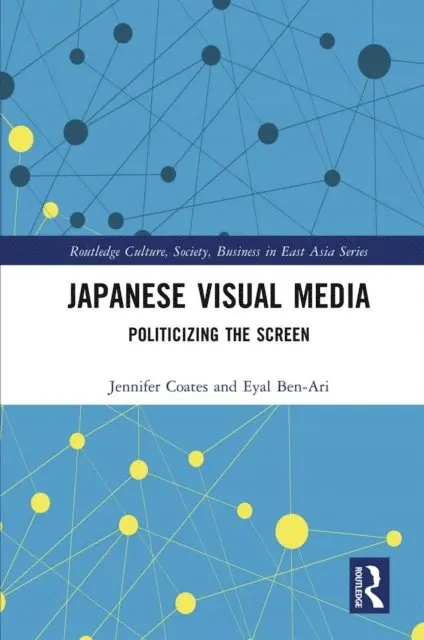
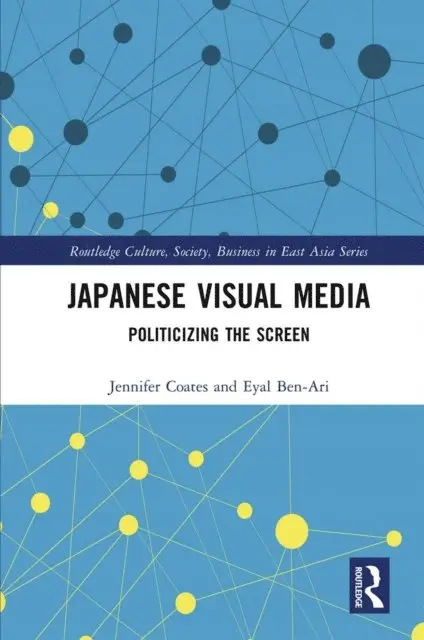
This book uncovers and explains the ways by which politics is naturalized and denaturalized, and familiarized and de-familiarized through popular media. It explores the tensions between state actors such as censors, politicized and nonpoliticized audiences, and visual media creators, at various points in the history of Japanese visual media. It offers new research on a wide array of visual media texts including classical narrative cinema, television, documentary film, manga, and animated film. It spans the militarized decades of the 1930s and 1940s, through the Asia Pacific War into the present day, and demonstrates how processes of politicization and depoliticization should be understood as part of wider historical developments including Japan’s postwar devastation and poverty, subsequent rapid modernization and urbanization, and the aging population and economic struggles of the twenty-first century.
788 kr
Läs direkt efter köp
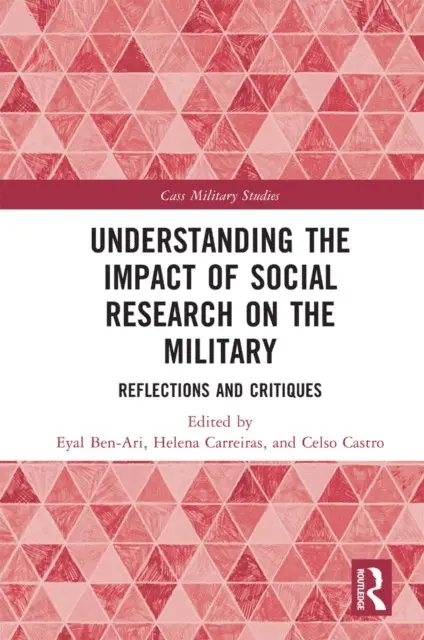
This book seeks to chart and evaluate the impact of social research on the military itself.
By "impact", the authors in this volume simply mean that which has a marked effect or influence on changing military policy, practices, knowledge, skills, behaviour, or living conditions. The book comprises a series of reflective contributions from scholars who have conducted research on the military as external scholars with no formal ties to the armed forces, as "native" researchers formally linked to them, as well as various kinds of contracted social scientists enabled by the military to carry out their investigations. The authors were asked to make the question of the impact of social scientific research on the armed forces an object of study in itself and to situate their reflections in terms of wider analytical questions. As a result, the chapters can be divided, broadly speaking, into two types of orientation: some are centered on theoretical and analytical issues, while others focus on the researchers’ lived experiences.
This book will be of interest to students of military studies, sociology, organisational studies, psychology and political science.
814 kr
Läs direkt efter köp
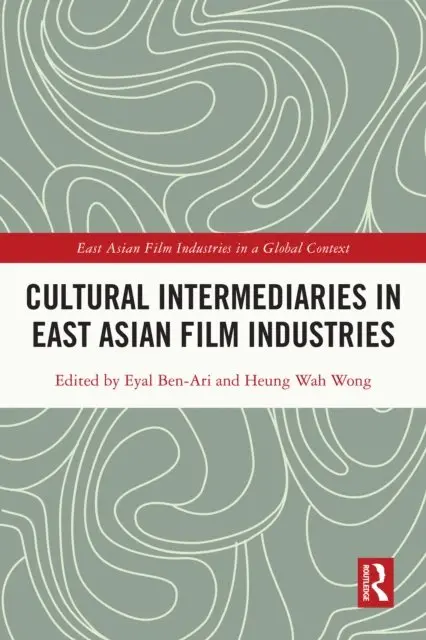
This book explores the roles cultural intermediaries play in East Asian cinema. Based on extensive original research, and viewing cinema from the social science perspective which emphasizes the social processes entailed in the cultural production, circulation, and consumption of films and the social relations they involve, rather than studying films as texts, the book examines issues such as the differences between individual and collective intermediaries, the diverse resources and services that they mediate, their social background and targeted audiences, and the political implications of their work. One important conclusion is that cultural intermediaries have been central to creating the whole "idea" of East Asian cinema.