503 kr
Skickas inom 7-10 vardagar
503 kr
Skickas inom 7-10 vardagar
426 kr
Läs direkt efter köp
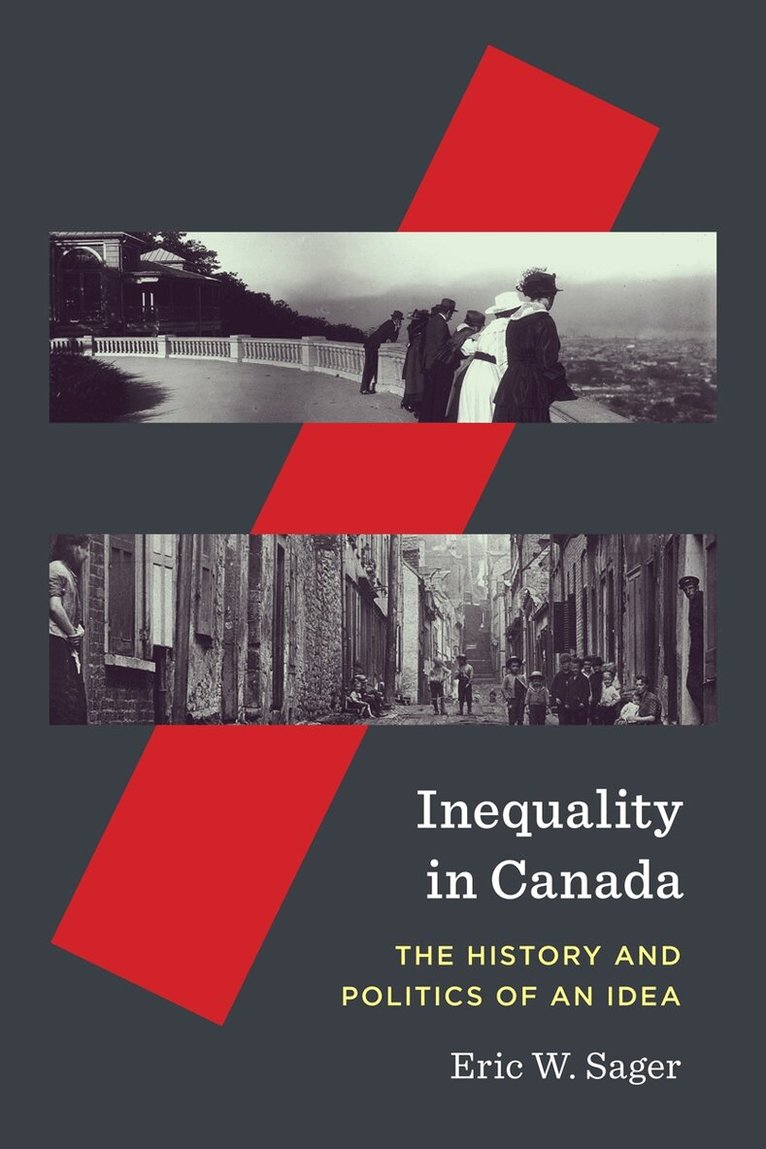
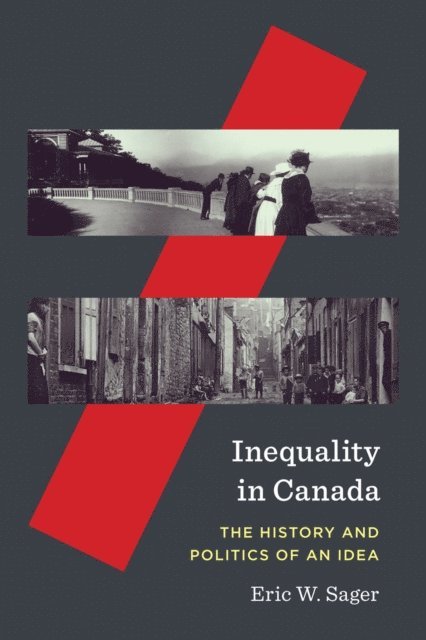
In Inequality in Canada Eric Sager considers one of the defining – but hardest to define – ideas of our era and traces its different meanings and contexts across the nineteenth and twentieth centuries.Sager shows how the idea of inequality arose in the long evolution in Britain and the United States from classical economics to the emerging welfare economics of the twentieth century. Within this transatlantic frame, inequality took a distinct form in Canada: different iterations of the idea appear in Protestant critiques of wealth, labour movements, farmer-progressive politics, the social gospel, social Catholicism in Quebec, English-Canadian political economy, and political and intellectual justifications of the social security state. A tradition of idealist thought persisted in the twentieth century, sustaining the idea of inequality despite deep silences among Canadian economists. Sager argues that inequality goes beyond the distribution of income and wealth: it is the idea that there are wide gaps between rich and poor, that the gaps are both an economic problem and a social injustice, and that when inequality appears, it is as a problem that can be either eliminated or reduced.It is precisely because inequality appears in different contexts, and because it changes, Sager reasons, that we can begin to perceive the contours and cleavages of inequality in our time. In our century, a political solution to inequality may rest on the recovery of an ethical ideal and egalitarian politics that have long preoccupied the history of Canadian thought.
423 kr
Läs direkt efter köp
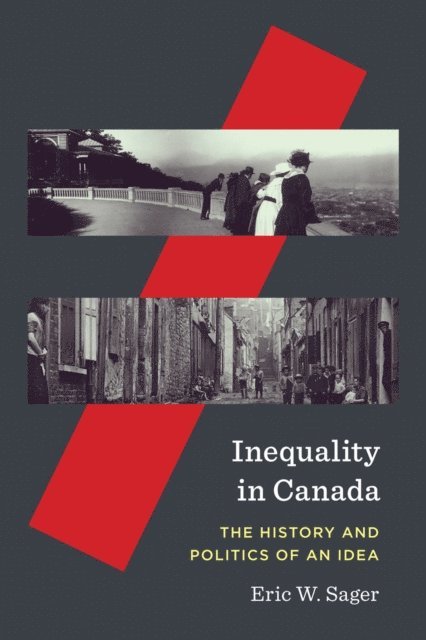
In Inequality in Canada Eric Sager considers one of the defining – but hardest to define – ideas of our era and traces its different meanings and contexts across the nineteenth and twentieth centuries.Sager shows how the idea of inequality arose in the long evolution in Britain and the United States from classical economics to the emerging welfare economics of the twentieth century. Within this transatlantic frame, inequality took a distinct form in Canada: different iterations of the idea appear in Protestant critiques of wealth, labour movements, farmer-progressive politics, the social gospel, social Catholicism in Quebec, English-Canadian political economy, and political and intellectual justifications of the social security state. A tradition of idealist thought persisted in the twentieth century, sustaining the idea of inequality despite deep silences among Canadian economists. Sager argues that inequality goes beyond the distribution of income and wealth: it is the idea that there are wide gaps between rich and poor, that the gaps are both an economic problem and a social injustice, and that when inequality appears, it is as a problem that can be either eliminated or reduced.It is precisely because inequality appears in different contexts, and because it changes, Sager reasons, that we can begin to perceive the contours and cleavages of inequality in our time. In our century, a political solution to inequality may rest on the recovery of an ethical ideal and egalitarian politics that have long preoccupied the history of Canadian thought.
379 kr
Läs direkt efter köp
1 072 kr
Läs direkt efter köp
217 kr
Skickas inom 7-10 vardagar
356 kr
Skickas inom 7-10 vardagar
1 544 kr
Läs direkt efter köp
1 403 kr
Skickas inom 3-6 vardagar
353 kr
Skickas inom 3-6 vardagar
1 874 kr
Tillfälligt slut
430 kr
Tillfälligt slut
430 kr
Tillfälligt slut
396 kr
Tillfälligt slut
634 kr
Tillfälligt slut
1 160 kr
Tillfälligt slut