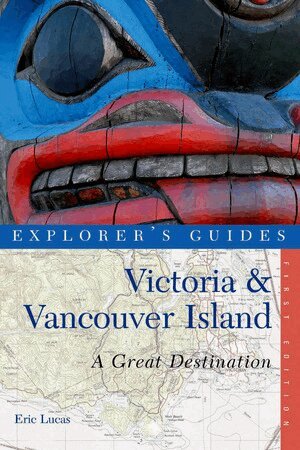
More than a million people visit Vancouver Island by air and sea each year, three quarters of them from outside Canada. Besides detailed coverage of Victoria, Eric Lucas gives wide-ranging context to the island’s culture, cuisine, and arts. There’s also a wealth of practical information to help you plan your stay in this land of natural wonders.
In a lifetime of achievement---creating a major commercial construction company, raising a family, traveling the world and teaching the principles of success to thousands---David Neenan treasures most his mistakes, failures and troubles. When his company faced a loss greater than his net worth, David learned how to lead an effective organization. When an immune disorder made it almost impossible to stand, he learned how to heal himself. When he was 10,000 miles from home doing mindless work, he learned how to gain vision. These lessons are the keys to accomplishment and meaning. In each case, David found there are no shortcuts to success. Meaningful happiness derives from taking responsibility for your own life---and accomplishment has value only when it is reached with integrity, love, humor and faith in the wonderful dance of life. "No Excuses" describes David''s challenges, failures and lessons through personal stories that portray a colorful life. Readers will hear how a simple pair of shoes led to a crucial realization at an early age. How he made peace with a childhood catastrophe at his father''s grave. And how only embracing life''s struggles every day brings meaning and joy. David believes we all want that---and we are the only ones responsible for achieving it.
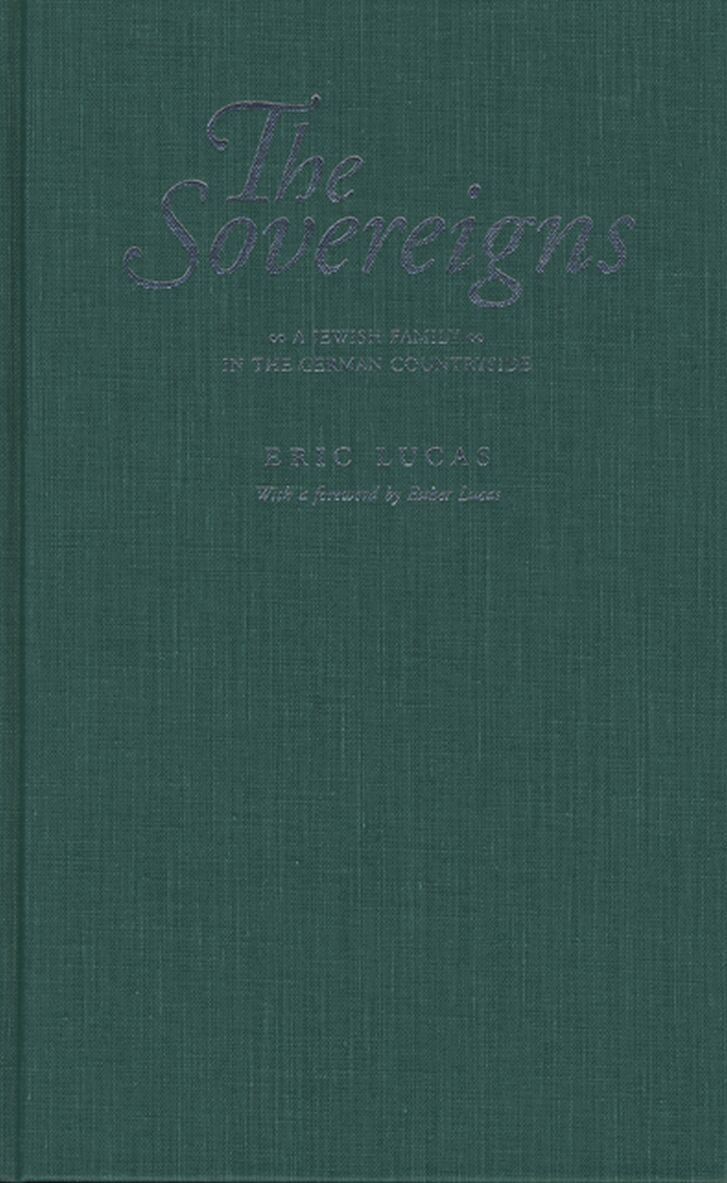
The story of a close-knit family of German Jews during the Nazi era, when hatred and anti-Semitism destroyed an entire generation of families and the traditions they had created. The family's story unfolds through the eyes of the author, who tells of his grandfather, a butcher in the small German village of Warden. A man of great learning and greater faith, he made certain that each day after work his nine children - sons and daughters - gathered around the table to study the Bible and prayer book in Hebrew. As the family grew, so did its prosperity and power, and the sons, daughters and relatives became known as ""the Sovereigns"". The rise of Nazism, however, challenged their strength and pride. Under the protection of the Nazi regime, anti-Semites settled old scores, and in Aachen they often targeted the more economically successful ""Viehjuden"" (Cattle Jews). New laws soon stripped Jewish meat dealers of their rights, and Aryan competitors eagerly forced them aside. But of course that was only the beginning. Lucas's memoir, written in the aftermath of the war, is a moving testament to the power of family.
The story of a close-knit family of German Jews during the Nazi era, when hatred and anti-Semitism destroyed an entire generation of families and the traditions they had created. The family's story unfolds through the eyes of the author, who tells of his grandfather, a butcher in the small German village of Warden. A man of great learning and greater faith, he made certain that each day after work his nine children - sons and daughters - gathered around the table to study the Bible and prayer book in Hebrew. As the family grew, so did its prosperity and power, and the sons, daughters and relatives became known as ""the Sovereigns"". The rise of Nazism, however, challenged their strength and pride. Under the protection of the Nazi regime, anti-Semites settled old scores, and in Aachen they often targeted the more economically successful ""Viehjuden"" (Cattle Jews). New laws soon stripped Jewish meat dealers of their rights, and Aryan competitors eagerly forced them aside. But of course that was only the beginning. Lucas's memoir, written in the aftermath of the war, is a moving testament to the power of family.