2 526 kr
Skickas inom 10-15 vardagar
2 526 kr
Skickas inom 10-15 vardagar
850 kr
Läs direkt efter köp
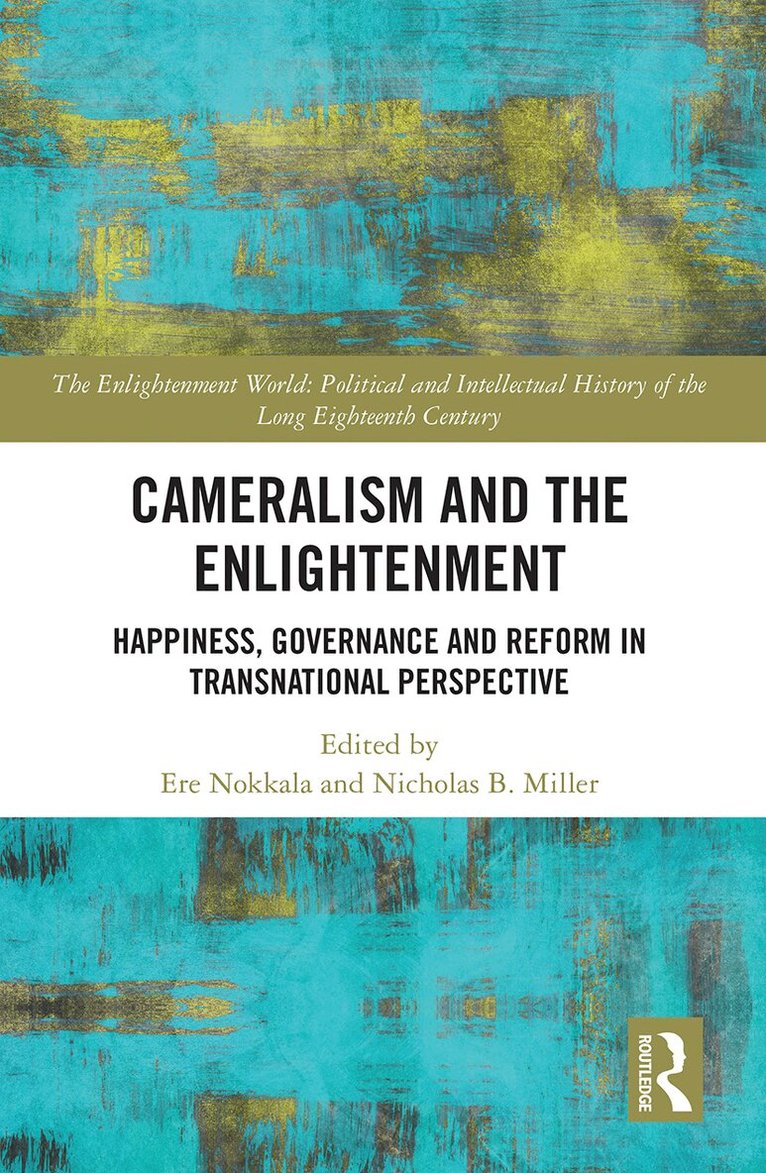
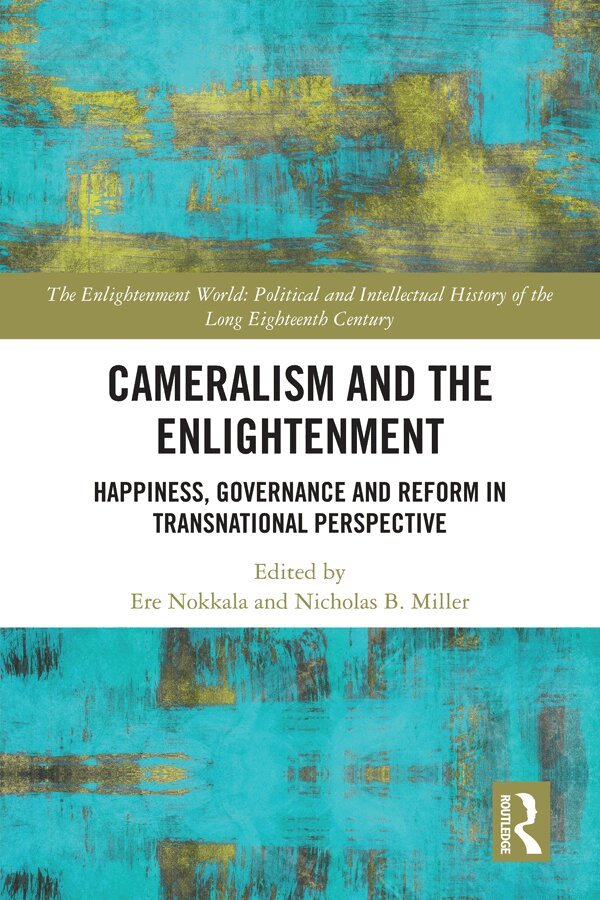
Cameralism and the Enlightenment reassesses the relationship between two key phenomena of European history often disconnected from each other. It builds on recent insights from global history, transnational history and Enlightenment studies to reflect on the dynamic interactions of cameralism, an early modern set of practices and discourses of statecraft prominent in central Europe, with the broader political, intellectual and cultural developments of the Enlightenment world. Through contributions from prominent scholars across the field of Enlightenment studies, the volume analyzes eighteenth-century cameralist authors’ engagements with commerce, colonialism and natural law. Challenging the caricature of cameralism as a German, land-locked version of mercantilism, the volume reframes its importance for scholars of the Enlightenment broadly conceived.
This volume goes beyond the typical focus on Britain and France in studies of political economy, widening perspectives about the dissemination of ideas of governance, happiness and reform to focus on multidirectional exchanges across continental Europe and beyond during the eighteenth century. Emphasizing the practice of theory, it proposes the study of the porosity of ideas in their exchange, transmission and mediation between spaces and discourses as a key dimension of cultural and intellectual history.
838 kr
Läs direkt efter köp
Cameralism and the Enlightenment reassesses the relationship between two key phenomena of European history often disconnected from each other. It builds on recent insights from global history, transnational history and Enlightenment studies to reflect on the dynamic interactions of cameralism, an early modern set of practices and discourses of statecraft prominent in central Europe, with the broader political, intellectual and cultural developments of the Enlightenment world. Through contributions from prominent scholars across the field of Enlightenment studies, the volume analyzes eighteenth-century cameralist authors’ engagements with commerce, colonialism and natural law. Challenging the caricature of cameralism as a German, land-locked version of mercantilism, the volume reframes its importance for scholars of the Enlightenment broadly conceived.
This volume goes beyond the typical focus on Britain and France in studies of political economy, widening perspectives about the dissemination of ideas of governance, happiness and reform to focus on multidirectional exchanges across continental Europe and beyond during the eighteenth century. Emphasizing the practice of theory, it proposes the study of the porosity of ideas in their exchange, transmission and mediation between spaces and discourses as a key dimension of cultural and intellectual history.
2 602 kr
Skickas inom 10-15 vardagar
668 kr
Skickas inom 10-15 vardagar
707 kr
Skickas inom 10-15 vardagar
1 706 kr
Skickas inom 7-10 vardagar
1 786 kr
Skickas inom 7-10 vardagar
In The Nature and Essence of States, J.H.G. Von Justi developed a “political metaphysics” that aimed to produce a fundamental science grounded in the law of nature. This “basic science” was supposed to lay the apriori foundations for empirically driven studies on statecraft, and public policy, and administration studies.
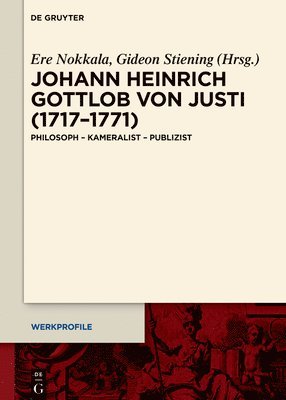
Philosoph - Kameralist - Publizist
1 644 kr
Skickas inom 3-6 vardagar
Johann Heinrich Gottlob von Justi (1717–1771) zählt zu den Inauguratoren der Polizei-, Verwaltungs- und Wirtschaftswissenschaften im Zeitalter der Aufklärung. In einer Reihe von Grundlagenwerken hat er diese politische Theorie entworfen und weiter entwickelt. Darüber hinaus publizierte Justi als Philosoph, als Literat und als politischer Publizist. Im Zentrum seiner Überlegungen steht dabei die Annahme, dass sich sowohl Herrscher als auch Untertanen eines Staates um die Beförderung „gemeinschaftliche Glückseligkeit“ des Gemeinwesens und der Individuen zu bekümmern hätten. Auf der Grundlage naturrechtlicher Prinzipien soll dieser „Endzweck des Staates“ durch dessen Institutionen, wie Gerichte, Polizei, Verwaltung, vor allem aber die staatliche Wirtschaftsförderung verfolgt werden. Um diese Aufgabe zu erfüllen, müssen nach Justi jene Institutionen wissenschaftlich erfasst und deren Ergebnisse in der universitären Lehre zukünftigen Staatsbeamten vermittelt werden. Dieses politische Grundkonzept hat Justi nicht nur als Wissenschaftler in der Forschung und Lehre sowie als Polizeidirektor in Göttingen und hoher Verwaltungsbeamter in Berlin zu realisieren unternommen, sondern auch in einer Vielzahl von Satiren und politischen Flugschriften der aufgeklärten Öffentlichkeit näherzubringen versucht.