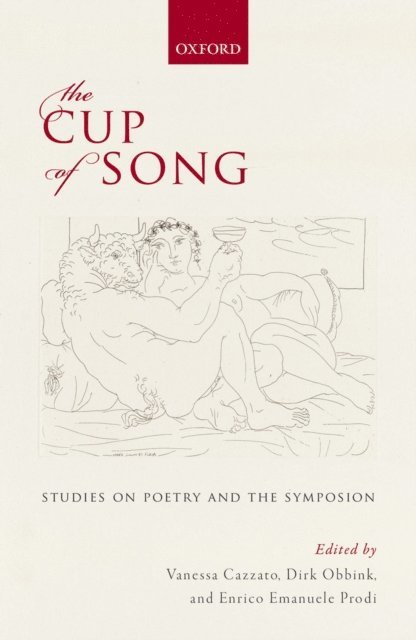
The symposion is arguably the most significant and well-documented context for the performance, transmission, and criticism of archaic and classical Greek poetry, a distinction attested by its continued hold on the poetic imagination even after its demise as a performance setting. The Cup of Song explores the symbiotic relationship of poetry and the symposion throughout Greek literary history, considering the latter both as a literal performance context and as an imaginary space pregnant with social, political, and aesthetic implications. This collection of essays by an international group of leading scholars illuminates the various facets of this relationship, from Greek literature''s earliest beginnings through to its afterlife in Roman poetry, ranging from the Near Eastern origins of the Greek symposion in the eighth century to Horace''s evocations of his archaic models and Lucian''s knowing reworking of classic texts. Each chapter discusses one aspect of sympotic engagement by key authors across the major genres of Greek poetry, including archaic and classical lyric, tragedy and comedy, and Hellenistic epigram; discussions of literary sources are complemented by analysis of the visual evidence of painted pottery. Consideration of these diverse modes and genres from the unifying perspective of their relation to the symposion leads to a characterization of the full spectrum of sympotic poetry that retains an eye to both its shared common features and the specificity of individual genres and texts.
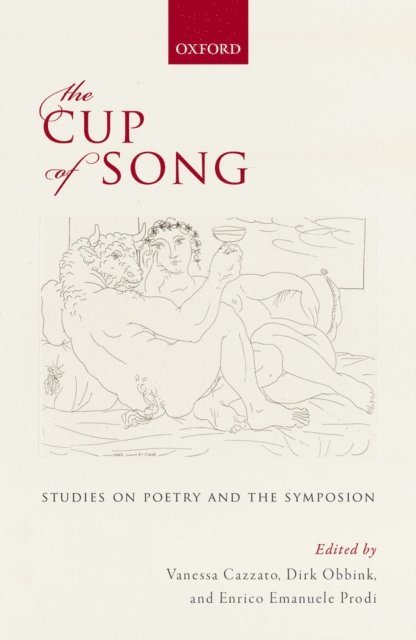
The symposion is arguably the most significant and well-documented context for the performance, transmission, and criticism of archaic and classical Greek poetry, a distinction attested by its continued hold on the poetic imagination even after its demise as a performance setting. The Cup of Song explores the symbiotic relationship of poetry and the symposion throughout Greek literary history, considering the latter both as a literal performance context and as an imaginary space pregnant with social, political, and aesthetic implications.This collection of essays by an international group of leading scholars illuminates the various facets of this relationship, from Greek literature's earliest beginnings through to its afterlife in Roman poetry, ranging from the Near Eastern origins of the Greek symposion in the eighth century to Horace's evocations of his archaic models and Lucian's knowing reworking of classic texts. Each chapter discusses one aspect of sympotic engagement by key authors across the major genres of Greek poetry, including archaic and classical lyric, tragedy and comedy, and Hellenistic epigram; discussions of literary sources are complemented by analysis of the visual evidence of painted pottery. Consideration of these diverse modes and genres from the unifying perspective of their relation to the symposion leads to a characterization of the full spectrum of sympotic poetry that retains an eye to both its shared common features and the specificity of individual genres and texts.
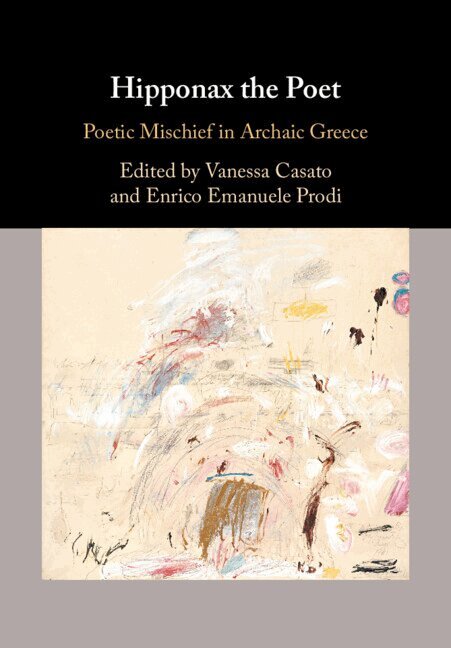
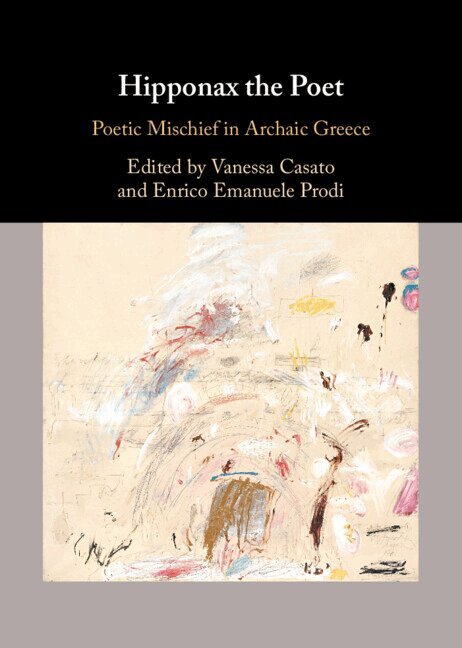
'Hipponax the poet' is an elusive figure. Stories about him abounded already in antiquity, at least in part extrapolated from the stories about himself that abounded in his poems. But what distinguishes him from other Greek lyric poets is the manner in which his corpus suggests a strategy of mischievousness around self-presentation: a deliberate confounding of expectations, the projecting of a pointedly strange and untrustworthy authorial persona. This is the first book-length literary study of Hipponax for almost half a century. It is written by an international team of scholars, who tackle various topics such as his relationship with social mores, performance practices, earlier and later poetry, and the visual arts. Contributors apply a range of perspectives for a richer understanding of Hipponax's poetics and provide close readings of several key texts. The volume is suitable for scholars and students of literature and all the Greek is translated.
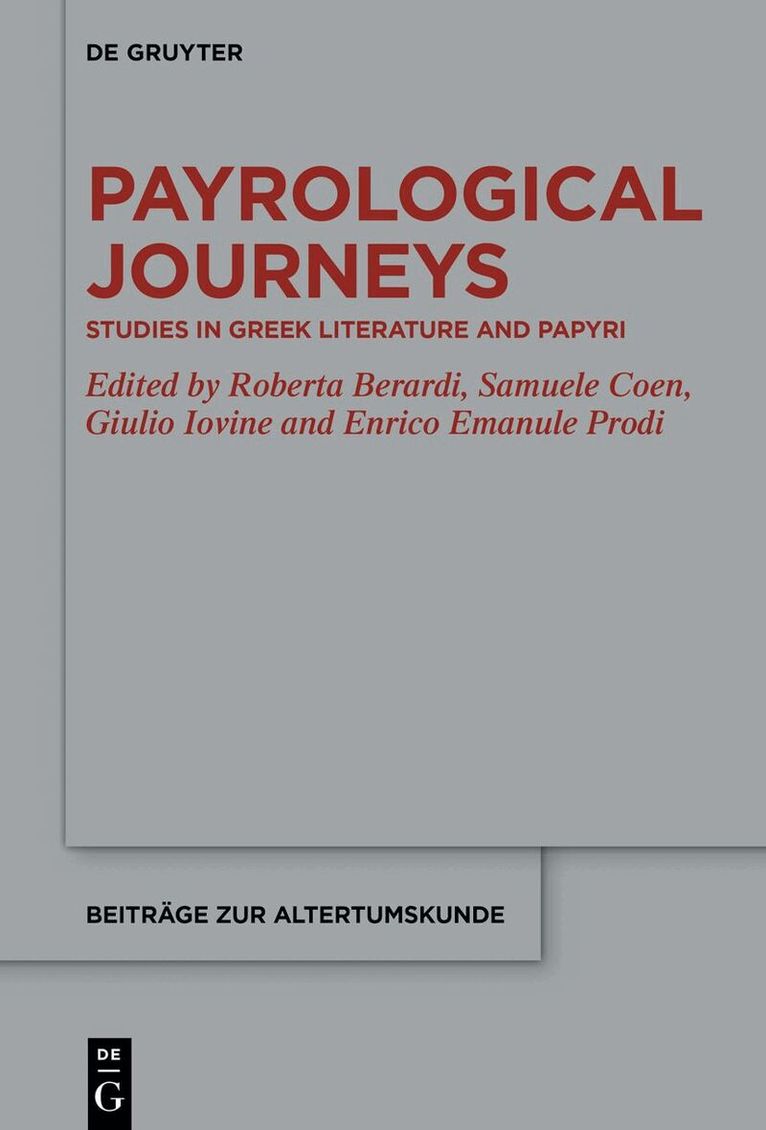
The volume comprises over forty studies in Papyrology and Greek literature. These range from editions of new Greek literary and documentary texts on papyrus (and one tablet in Latin) to new research on previously known papyri from a textual, material, historical, or literary angle and from new studies on non-papyrological texts to essays on the history of papyrus and of papyrology. The chapters are arranged into four sections: Unpublished Papyri: eight papyri and one tablet, labelled as P.Colomo and T.Colomo respectively;Studies on Edited Papyri: new studies on already published papyri, including re-editions;Studies Involving Papyri: broader studies on various aspects of papyrology;Greek Literary and Textual Studies: fresh diversions from papyrology.The authors of the chapters share professional bonds as colleagues or students of Daniela Colomo, (long-time curator of the Oxyrhynchus collection in Oxford and now responsible for the papyrus collection at the University of Milan). The volume is dedicated to her.