1 610 kr
Skickas inom 10-15 vardagar
1 610 kr
Skickas inom 10-15 vardagar
530 kr
Läs direkt efter köp
526 kr
Läs direkt efter köp
488 kr
Skickas inom 10-15 vardagar
1 223 kr
Läs direkt efter köp
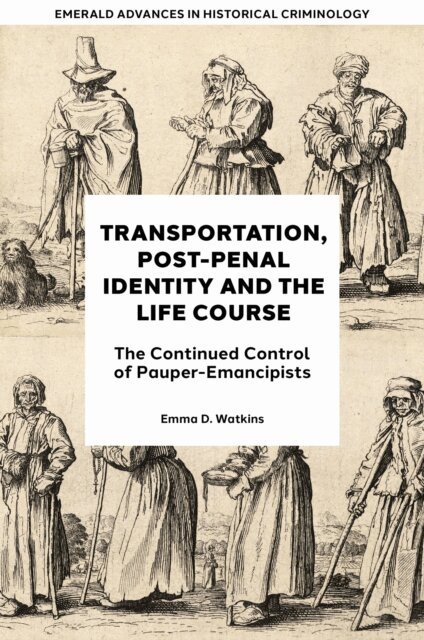
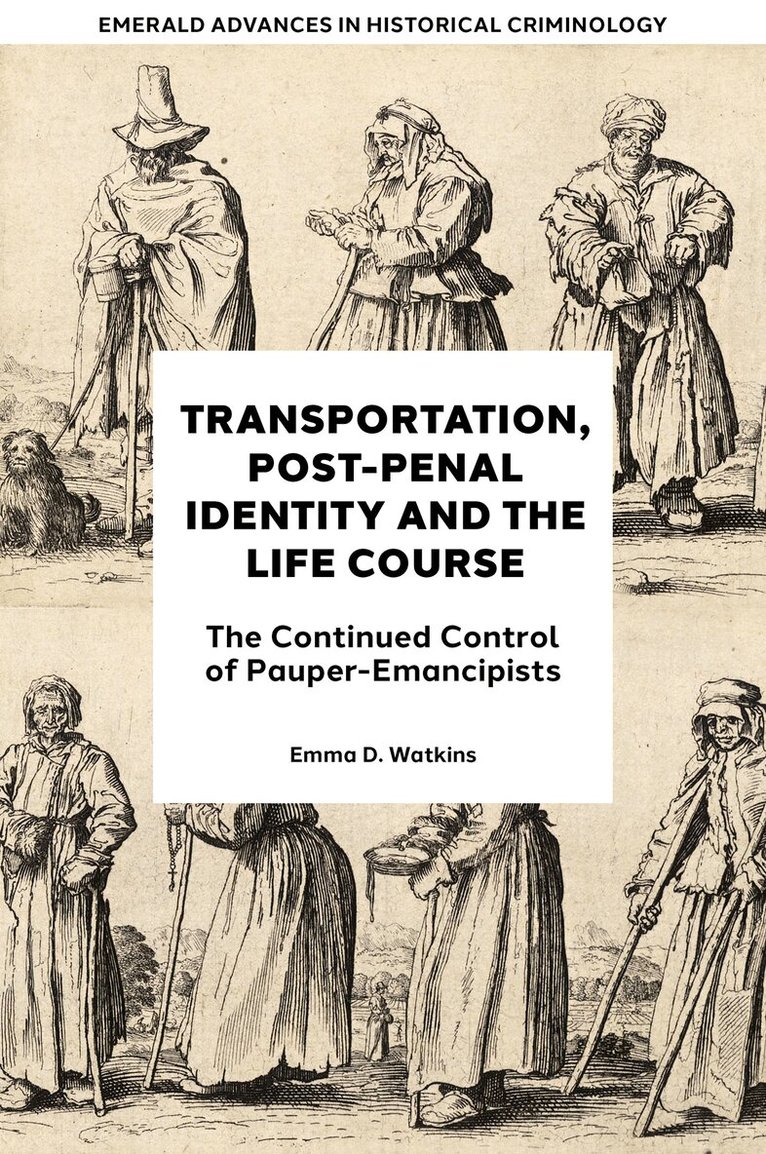
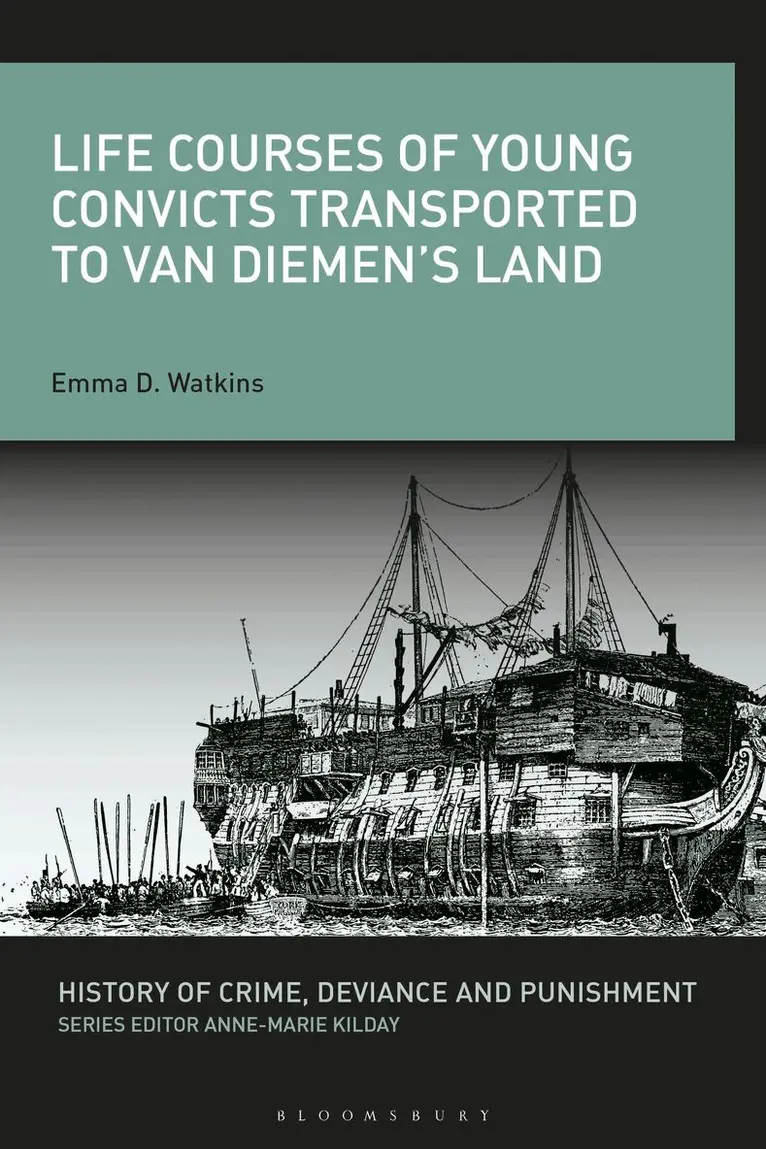
Transportation, Post-Penal Identity and the Life Course explores the life-courses of convicts who, after being transported to Van Diemen’s Land, now Tasmania, and released from servitude, died in pauper establishments.
Presenting new case studies that look at the whole lives of former convicts dying in poverty to understand the long-term effects of the convict transportation system, Watkins facilitates an exploration of a broader view of the charitable institutions and its connections with the penal system. Delving into the path dependency and the criminalization of poverty the author uses criminal justice records, civil records, and newspapers for life-course analysis, along with colonial statistical returns and correspondence of officials to contextualize those life-courses. Exploring the Vandemonian charitable system within its post-penal identity and socio-economic context, this book looks at the social mobility of pauper emancipists to disrupt the enduring belief that all convicts who were transported to Australia were ‘better-off’ and that Australia was a ‘working man’s paradise’ in the context of a re-emerging glorification of empire.
An interdisciplinary work exploring historical documentation and using criminological methodologies to uncover the lives of working-class people, this is insightful reading for researchers interested in the histories of charitable and criminal justice institutions, working class lives, life-course methodology, and criminalization.
1 128 kr
Skickas inom 7-10 vardagar
1 223 kr
Läs direkt efter köp
Transportation, Post-Penal Identity and the Life Course explores the life-courses of convicts who, after being transported to Van Diemen’s Land, now Tasmania, and released from servitude, died in pauper establishments.
Presenting new case studies that look at the whole lives of former convicts dying in poverty to understand the long-term effects of the convict transportation system, Watkins facilitates an exploration of a broader view of the charitable institutions and its connections with the penal system. Delving into the path dependency and the criminalization of poverty the author uses criminal justice records, civil records, and newspapers for life-course analysis, along with colonial statistical returns and correspondence of officials to contextualize those life-courses. Exploring the Vandemonian charitable system within its post-penal identity and socio-economic context, this book looks at the social mobility of pauper emancipists to disrupt the enduring belief that all convicts who were transported to Australia were ‘better-off’ and that Australia was a ‘working man’s paradise’ in the context of a re-emerging glorification of empire.
An interdisciplinary work exploring historical documentation and using criminological methodologies to uncover the lives of working-class people, this is insightful reading for researchers interested in the histories of charitable and criminal justice institutions, working class lives, life-course methodology, and criminalization.
1 155 kr
Läs direkt efter köp
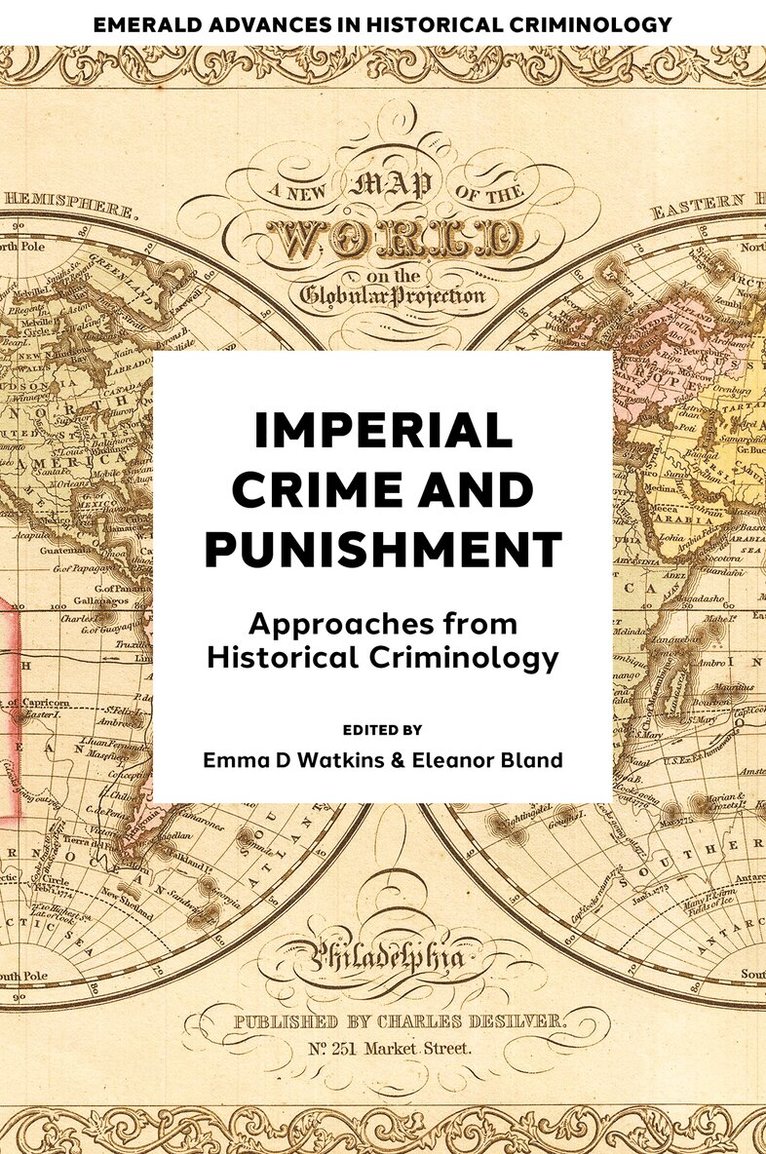
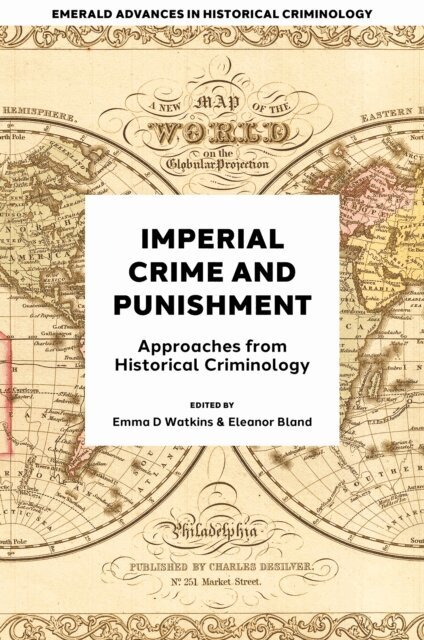
Seeking to redress the traditional focus of historical criminology on the West and Global North, Imperial Crime and Punishment brings a fresh perspective to this burgeoning field by drawing instead on imperial contexts.
Chapters focus on the nineteenth and twentieth centuries, which witnessed the development of the recognisably ‘modern’ institutions of the criminal justice system, including policing and institutions of punishment and care. The collection broadly covers punishment and its institutions, enforcement, a reflection on methodological considerations for digital crime history, and more. Examining imperial contexts such as India and Australia beyond their immediate geographical context, authors highlight the global and imperial context including the movement of ideas between the British state and colonies, the international dimension of global punishments, and movement of labour in this period.
Offering empirically-based studies from the archives in order to understand and question beliefs about crime and social harm today, as well as ongoing practices both in, and outside of, the criminal justice system, Imperial Crime and Punishment provides a broad temporal and spatial scope to build the historical criminology literature and better understand and critique the world as it currently is.
1 090 kr
Skickas inom 7-10 vardagar
1 155 kr
Läs direkt efter köp
Seeking to redress the traditional focus of historical criminology on the West and Global North, Imperial Crime and Punishment brings a fresh perspective to this burgeoning field by drawing instead on imperial contexts.
Chapters focus on the nineteenth and twentieth centuries, which witnessed the development of the recognisably ‘modern’ institutions of the criminal justice system, including policing and institutions of punishment and care. The collection broadly covers punishment and its institutions, enforcement, a reflection on methodological considerations for digital crime history, and more. Examining imperial contexts such as India and Australia beyond their immediate geographical context, authors highlight the global and imperial context including the movement of ideas between the British state and colonies, the international dimension of global punishments, and movement of labour in this period.
Offering empirically-based studies from the archives in order to understand and question beliefs about crime and social harm today, as well as ongoing practices both in, and outside of, the criminal justice system, Imperial Crime and Punishment provides a broad temporal and spatial scope to build the historical criminology literature and better understand and critique the world as it currently is.