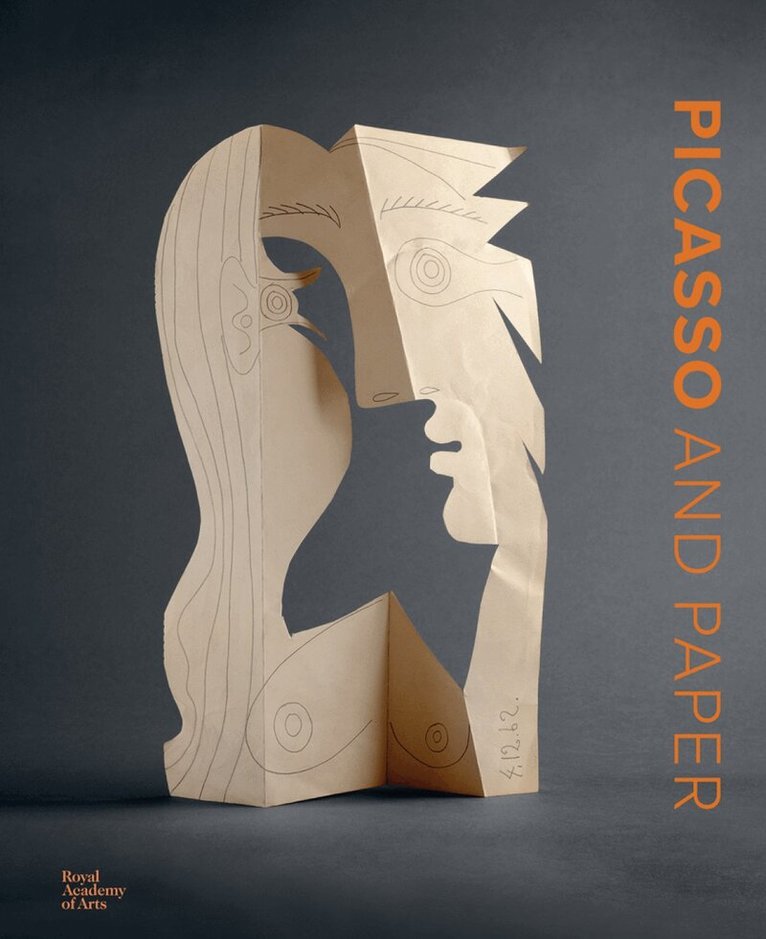
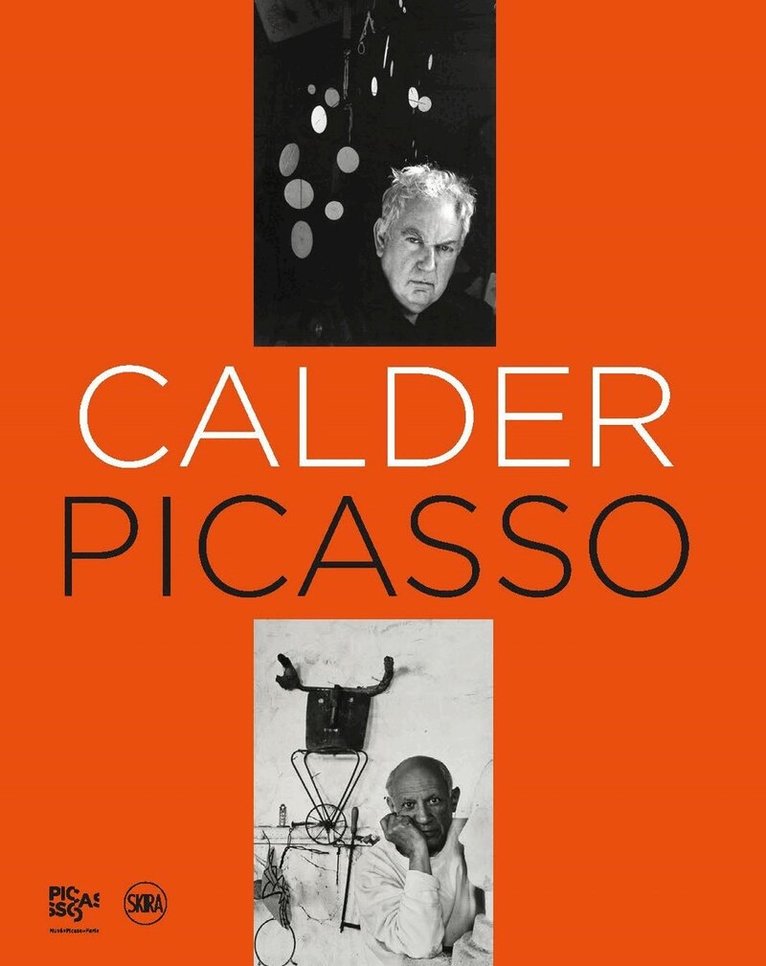
Pablo Picasso's artistic output is astonishing in its ambition and variety. This handsome publication examines a particular aspect of his legendary capacity for invention: his imaginative and original use of paper. He used it as a support for autonomous works, including etchings, prints and drawings, as well as for his papier-collé experiments of the 1910s and his revolutionary three-dimensional 'constructions', made of cardboard, paper and string. Sometimes, his use of paper was simply determined by circumstance: in occupied Paris, where art supplies were hard to come by, he ripped up paper tablecloths to make works of art. And, of course, his works on paper comprise the preparatory stages of some of his very greatest paintings, among them Les Demoiselles d'Avignon (1907) and Guernica (1937). With reproductions of more than 300 works of art and additional texts by Violette Andres, Stephen Coppel, Emmanuelle Hincelin, Christopher Lloyd, Johan Popelard and Claustre Rafart Planas, this sumptuous study reveals the myriad ways in which Picasso's genius seized the potential of paper at different stages throughout his career.
Pablo Picasso's artistic output is astonishing in its ambition and variety. This handsome new publication examines a particular aspect of his legendary capacity for invention: his imaginative and original use of paper.He used it as a support for autonomous works, including etchings, prints and drawings, as well as for his papier-collé experiments of the 1910s and his revolutionary three-dimensional 'constructions', made of cardboard, paper and string. Sometimes, his use of paper was simply determined by circumstance: in occupied Paris, where art supplies were hard to come by, he ripped up paper tablecloths to make works of art. And, of course, his works on paper comprise the preparatory stages of some of his very greatest paintings, among them Les Demoiselles d'Avignon (1907) and Guernica (1937).With reproductions of more than 300 works of art and additional texts by Violette Andres, Stephen Coppel, Emmanuelle Hincelin, Christopher Lloyd, Johan Popelard and Claustre Rafart Planas, this sumptuous study reveals the myriad ways in which Picasso's genius seized the potential of paper at different stages throughout his career.
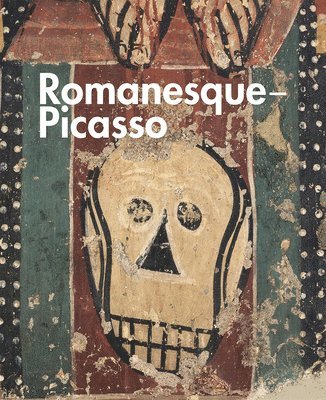
This beautifully illustrated book, the catalog for an exhibition on view at the National Museum of Art of Catalonia in Barcelona and coorganized with the Picasso Museum in Paris, explores important affinities between Picasso and Romanesque art. Using two key moments as starting points, Juan Jose Lahuerta and Emilia Philippot first discuss the summer of 1906, when Picasso stayed in the village of Gosol in the Catalan Pyrenees, and then turn to 1934, as he visited the Romanesque art collections of what is today the National Museum of Art of Catalonia. Picasso's discovery of the Romanesque nurtured his interest in other "primitive" or ethnographic art, later echoed in such decisive works as Les Demoiselles d'Avignon. Importantly, while Lahuerta and Philippot avoid any attempt to trace direct Romanesque influences on Picasso as they note, his work consistently escapes such linear accounts they do demonstrate that Picasso's interest in the twelfth-century sculpture Virgin from Gosol, his lifelong fascination with the theme of the crucifixion, and his study of the skull all reflect elements that were also of major importance in Romanesque art and architecture.What these shared features allow, Lahuerta and Philippot ultimately argue, is not only a richer understanding of Picasso's work, but also a rediscovering and reinvention of Romanesque art in our contemporary moment, causing the medieval to become refreshingly and paradoxically modern.