402 kr
Skickas inom 7-10 vardagar
402 kr
Skickas inom 7-10 vardagar
402 kr
Skickas inom 7-10 vardagar
415 kr
Skickas inom 5-8 vardagar
319 kr
Läs direkt efter köp
317 kr
Läs direkt efter köp
578 kr
Skickas
385 kr
Läs direkt efter köp
385 kr
Läs direkt efter köp
315 kr
Skickas inom 10-15 vardagar
211 kr
Skickas inom 7-10 vardagar
315 kr
Skickas inom 7-10 vardagar
519 kr
Skickas inom 10-15 vardagar
347 kr
Skickas inom 10-15 vardagar
2 444 kr
Skickas inom 10-15 vardagar
300 kr
Skickas inom 7-10 vardagar
279 kr
Läs direkt efter köp
286 kr
Läs direkt efter köp
800 kr
Skickas inom 10-15 vardagar
936 kr
Läs direkt efter köp
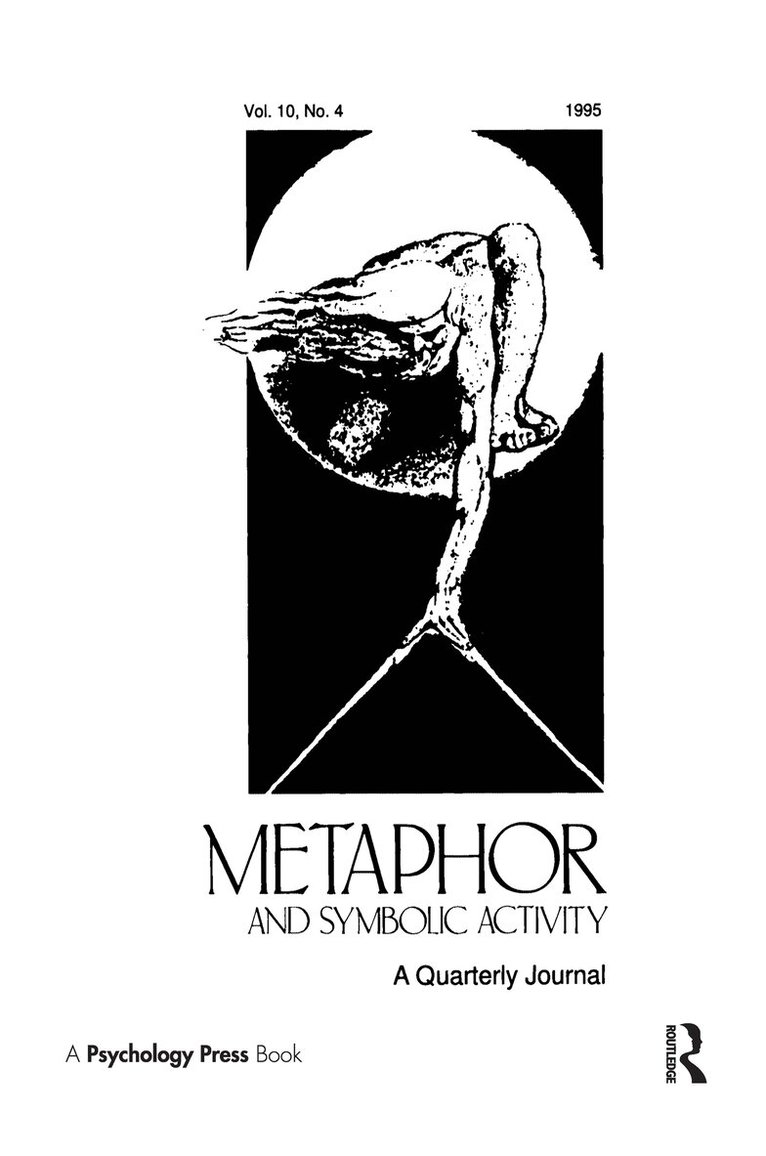
Research on the development of metaphor abilities in children can be dated back as far as 1960, with Asch and Nerlove''s pioneering study, which concluded that children were unable to understand metaphors until middle or even late childhood. However, the study of metaphor in children did not take off until the 1970s; research continued to show metaphor as a relatively late-developing skill, based on children''s inability to paraphrase correctly metaphoric sentences presented out of any situational or narrative context. In the past decade, research into the development of figurative language has broadened considerably in scope. Efforts have been underway to demonstrate the cognitive underpinnings of the ability to make sense of figurative language and to demonstrate the role of metaphor and its cousin, analogy, in the development of cognition. Metaphor is now considered to be a central aspect of language and thought and thus a crucial variable in cognitive development. The articles in this issue support the claim that no longer can any theory of language acquisition afford to ignore how children are able to recognize the distinction between what is said and what is meant and how they are able to grasp what is meant when people say things they do not mean.
205 kr
Skickas inom 7-10 vardagar
56 kr
Läs direkt efter köp
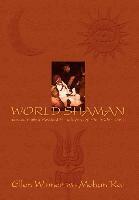
Dishonored and vengeful, they enter his dreams and haunt his days, destroying his business, his health, his sanity, and finally, his freedom.
Based on Mohan''s letters from prison, this true account by his first Western initiate will transform your worldview.
"Ellen''s retelling of Mohan Rai''s first-hand account of his shamanic apprenticeship in Bhutan is a valuable contribution to the preservation of this ancient knowledge."-Michael Harner, Ph.D., author, The Way of the Shaman and Founder, Foundation for Shamanic Studies
"I was fascinated. Like Autobiography of a Yogi, Mohan Rai''s story shares much wisdom. Portraying his training from childhood in the ancient, mystical traditions of the shaman, this book brings a hopeful vision I will carry into my everyday life forever a reminder of the mysteries that sustain our lives and how little we know of them. The message runs deep."-Hal Zina Bennett, Ph.D., author, Spirit Animals and the Wheel of Life: Earth-Centered Practices for Everyday Living
250 kr
Skickas inom 3-6 vardagar
678 kr
Läs direkt efter köp
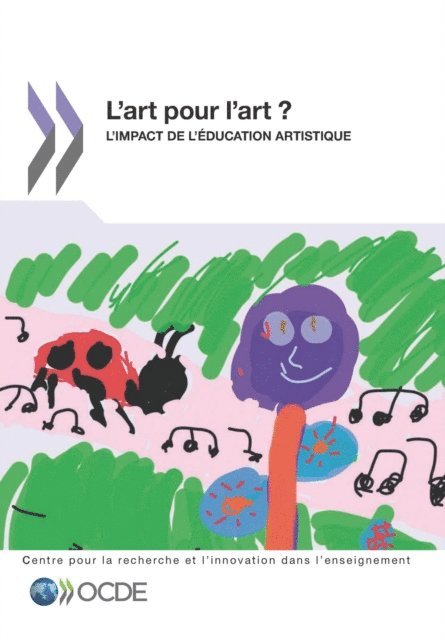
Arts education is often said to be a means of developing critical and creative thinking. Arts education has also been argued to enhance performance in non-arts academic subjects such as mathematics, science, reading and writing, and to strengthen students’ academic motivation, self-confidence, and ability to communicate and co-operate effectively. Arts education thus seems to have a positive impact on the three subsets of skills that we define as “skills for innovation”: subject-based skills, including in non-arts subjects; skills in thinking and creativity; and behavioural and social skills.
This report examines the state of empirical knowledge about the impact of arts education on these kinds of outcomes. The kinds of arts education examined include arts classes in school (classes in music, visual arts, theatre, and dance), arts-integrated classes (where the arts are taught as a support for an academic subject), and arts study undertaken outside of school (e.g. private music lessons; out-of-school classes in theatre, visual arts, and dance). The report does not deal with education about the arts or cultural education, which may be included in all kinds of subjects.
360 kr
Läs direkt efter köp
Dans nos sociétés, les artistes, tout comme les scientifiques et les chefs d’entreprise, sont perçus comme des modèles en termes d’innovation. Il n’est donc pas surprenant que l’éducation artistique soit souvent considérée comme un moyen de développer des compétences perçues comme essentielles pour l’innovation : pensée critique et créative, motivation, confiance en soi, et capacité à communiquer et coopérer efficacement, mais aussi des compétences dans des disciplines scolaires non artistiques telles que les mathématiques, les sciences, la lecture et l’écriture. L’éducation artistique a-t-elle vraiment un impact positif sur les trois sous-ensembles de compétences formant ce que nous appellerons ici « les compétences liées à l’innovation » : compétences techniques, compétences de réflexion et de créativité, et caractère (compétences comportementales et sociales) ? Cet ouvrage dresse un état des lieux des connaissances empiriques concernant l’impact de l’éducation artistique sur ce genre de retombées. Les différents types d’éducation artistique étudiés comprennent l’enseignement des arts dans le cadre scolaire (cours de musique, d’arts plastiques, de théâtre et de danse), les cours intégrant un enseignement artistique (où les arts sont enseignés en accompagnement d’une discipline scolaire), et l’enseignement artistique se déroulant en dehors du cadre scolaire (par ex., les cours particuliers de musique, les cours extrascolaires de théâtre, d’arts plastiques et de danse). Ce rapport ne porte pas, en revanche, sur l’enseignement théorique des arts ni sur l’éducation culturelle, qui peuvent intervenir dans tout type de disciplines.
1 219 kr
Tillfälligt slut