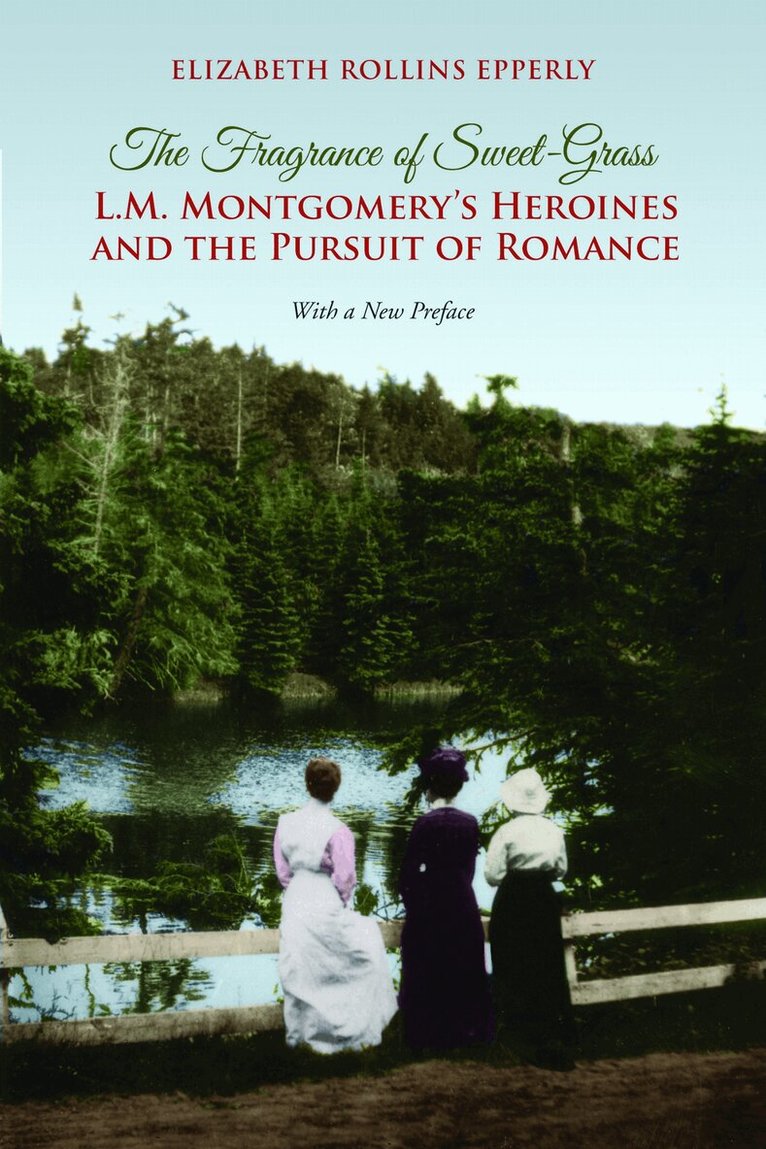
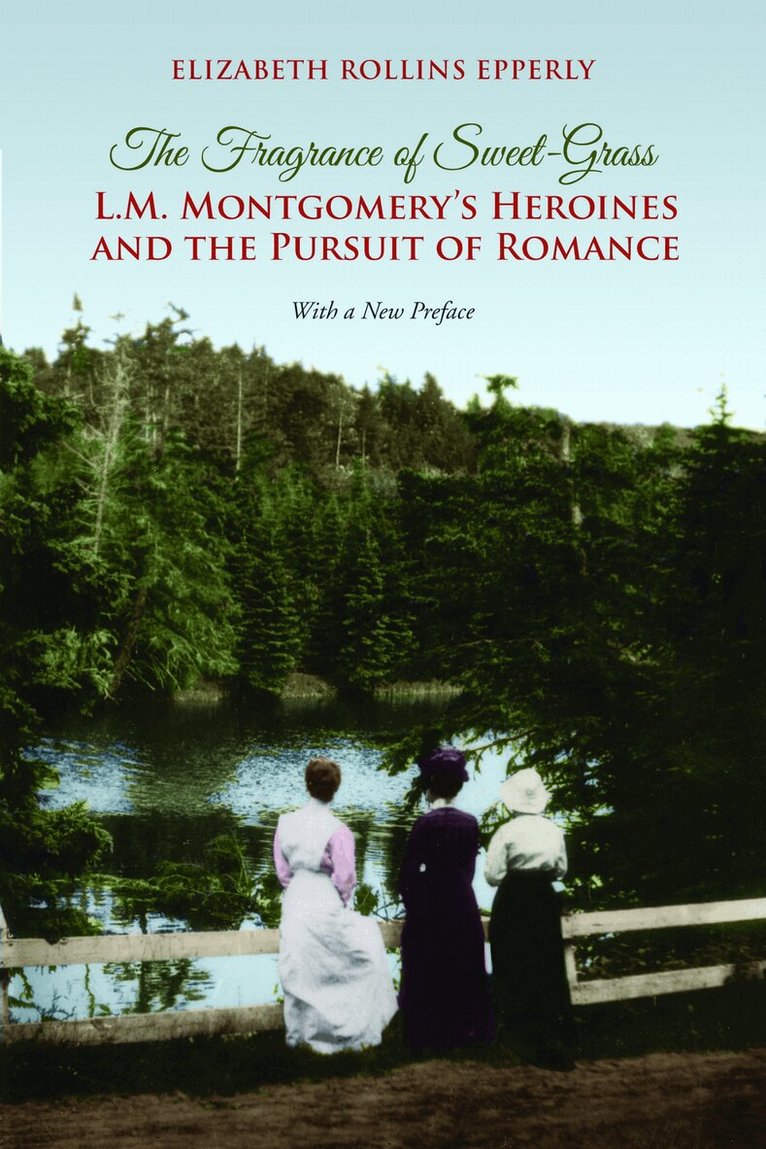
When it originally appeared, Elizabeth Rollins Epperly’s The Fragrance of Sweet-Grass was one of the first challenges to the idea that L.M. Montgomery’s books were unworthy of serious study. Examining all of Montgomery’s fiction, Epperly argues that Montgomery was much more than a master of the romance genre and that, through her use of literary allusions, repetitions, irony, and comic inversions, she deftly manipulated the normal conventions of romance novels. Focusing on Montgomery’s memorable heroines, from Anne Shirley to Emily Byrd Starr, Valancy Stirling, and Pat Gardiner, Epperly demonstrates that Montgomery deserves a place in the literary canon not just as the creator of Anne of Green Gables but as an artist in her chosen profession.Since its publication more than twenty years ago, The Fragrance of Sweet-Grass has become a favourite of scholars, writers, and Montgomery fans. This new edition adds a preface in which Epperly discusses the book’s contribution to the ongoing research on the life and writing of L.M. Montgomery, reflects on how Montgomery studies have flourished over the past two decades, and suggests new ways to approach and explore the Canadian writer’s work.
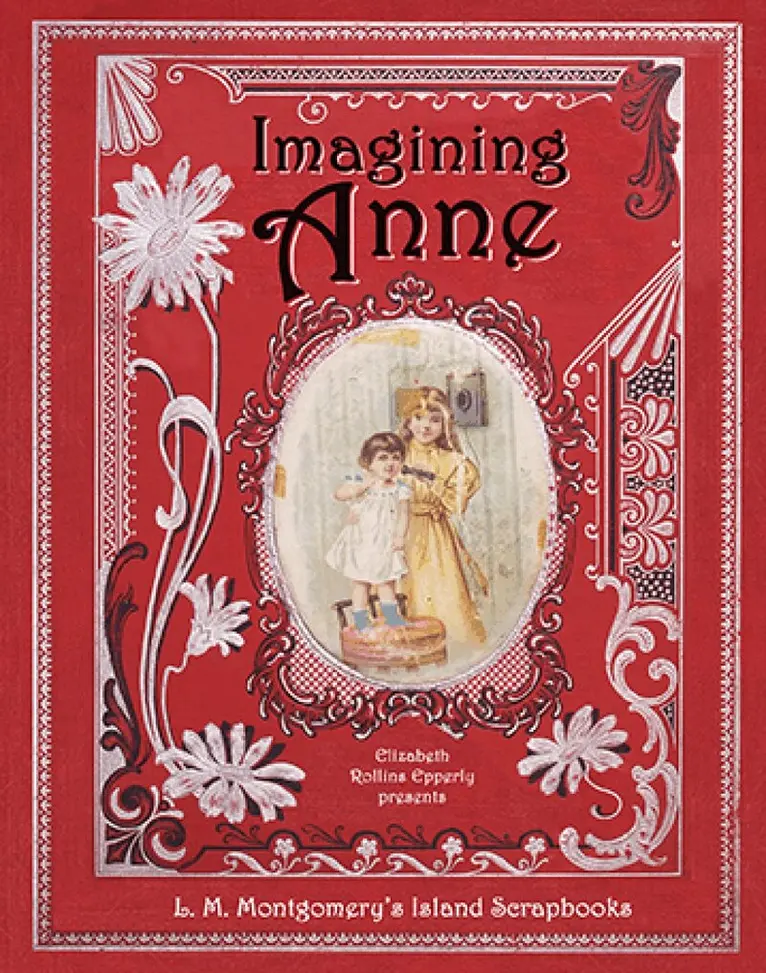
L.M. Montgomery's beautiful Island scrapbooks, covering a period from 1893 to mid-1910, are finally back in print. Reflecting Montgomery's youth and optimism, these colour pages are filled with meaningful insight into the life of a young writer's inspiration during the period when she would create the beloved character of Anne Shirley, who would win the hearts of readers worldwide with the publication of Anne of Green Gables in 1908. With annotations and notes from Montgomery scholar Elizabeth Epperly, Imagining Anne allows fans a revealing look inside the mind of one of the most cherished writers of the twentieth century.
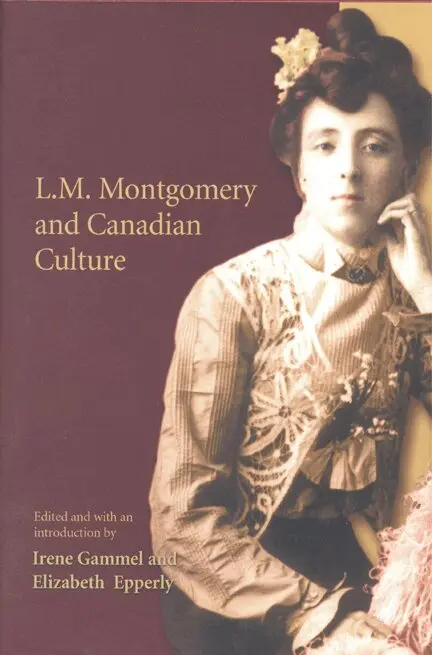
Despite the enormous popularity of her books, particularly Anne of Green Gables, L.M. Montgomery's role in the development of Canada's national culture is not often discussed by literary historians. This is curious as some of Canada's leading writers, including Margaret Atwood, Alice Munro, and Jane Urquhart, have acknowledged their indebtedness to Montgomery's fiction. That scholars have not mined the 'Canadianness' of Montgomery's writing is redressed by this collection. It is the first systematic effort to investigate and explore Montgomery's active engagement with Canadian nationalism and identity, including regionalism, canon formation, and Canadian-American cultural relations. It examines her work in relation to the many dramatic changes of her day, such as the women's movement and the advent of new technologies; and it looks at the national and international consumption of Anne of Green Gables, in the form of both 'high' culture and cultural tourism.The wide range of contributors represent views from across disciplines and boundaries, including feminist, biographical, psychoanalytical, historical, and cultural approaches. The scholarly reflections are punctuated to great effect by creative pieces, personal reflections, and interviews. This ground-breaking collection will appeal to all fans of Montgomery's work and to students of Canadian letters. It places Montgomery and her work squarely in the mainstream of Canadian literary history, affirming her importance to our country's cultural development.
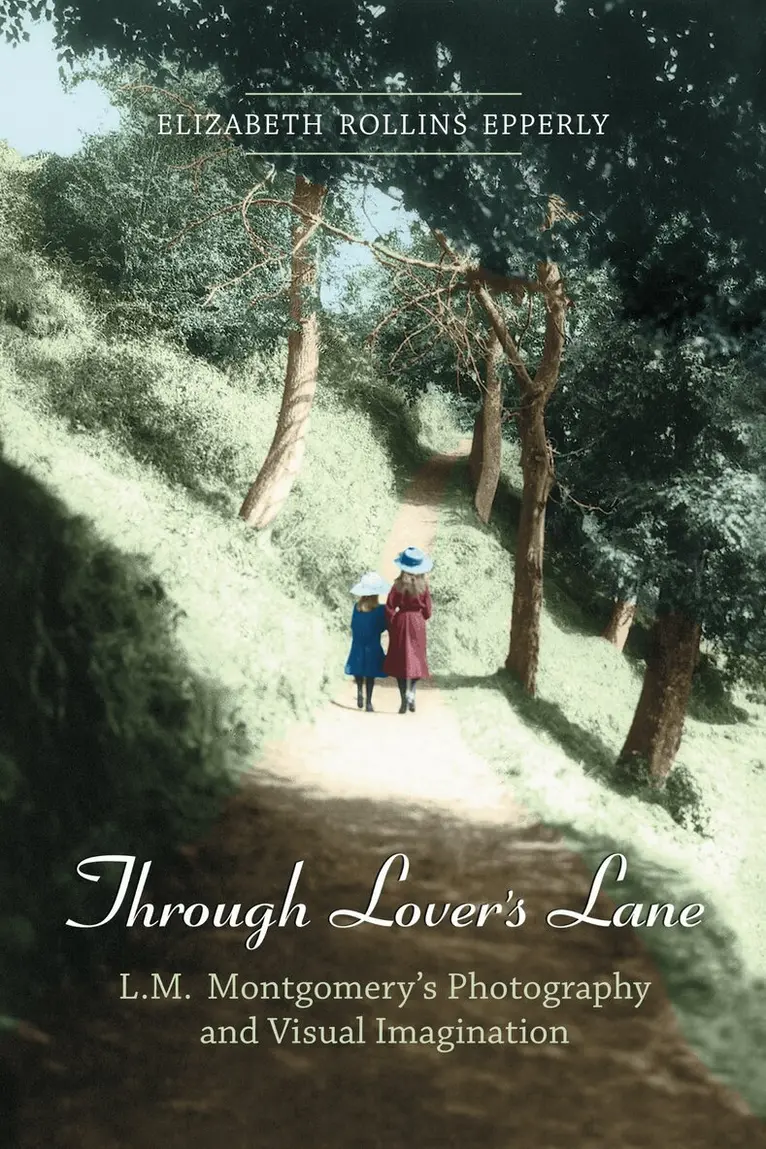
It might surprise some to know that internationally beloved Canadian writer L.M. Montgomery (1874-1942), author of the Anne of Green Gables series, among other novels, and hundreds of short stories and poems, also fuelled a passion for photography. For forty years, Montgomery photographed her favourite places and people, using many of these photographs to illustrate the hand-written journals she left as a record of her life. Artistically inclined, and possessing a strong visual memory, Montgomery created scenes and settings in her fiction that are closely linked to the carefully composed shapes in her photographs. Elizabeth Rollins Epperly's Through Lover's Lane is the first book to examine Montgomery's photography in any depth; it is also the first study to connect Montgomery's photography with her fiction and other writing. Drawing on the work of Montgomery scholars, as well as theorists such as Susan Sontag, Gaston Bachelard, Roland Barthes, John Berger, and George Lakoff, Epperly connects Montgomery's practice of photography with the writer's metaphors for home and belonging. Epperly examines thirty-five of Montgomery's photographs, demonstrating how they figure in the novelist's life and fiction. She argues that the shapes in Montgomery's favourite place in nature - Lover's Lane in Cavendish P.E.I. - organized Montgomery's other photographs, underpinned her colourful descriptions, and grounded her aesthetics. Through Lover's Lane suggests how an artist creates metaphors that resonate within a single work, echo across a lifetime of writing and photography, and inspire readers and viewers across cultures and time.