Inbunden, Engelska, 2021
1 062 kr
Skickas inom 5-8 vardagar
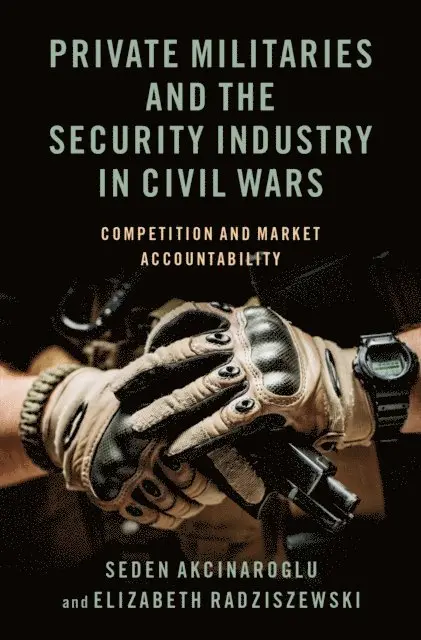
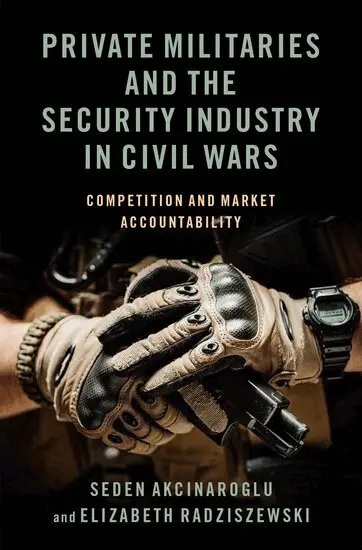
Since the 1990s, private military and security companies (PMSCs) have intervened in civil wars around the globe. International, legally registered corporate actors have assisted governments with a myriad of tasks including combat support, logistics, army and police training, intelligence analysis, and guard services. However, reports that such contractors have been responsible for human rights abuses have spurred the need to evaluate the industry's impact on conflicts. Are these contractors effective in curbing violence or does emphasis on profit and lack of accountability get in the way? And how can governments improve PMSCs' commitment to contractual obligations, including adherence to international humanitarian laws?This book identifies two market forces that impact PMSCs' military effectiveness: local or conflict-level competition and global or industry-level competition. Specifically, Seden Akcinaroglu and Elizabeth Radziszewski challenge the assumption that interventions by profit-driven coporations are likely to destabilize areas engaged in war, and provide data that private contractors do contribute to conflict termination under certain circumstances. They argue that competitive market pressure creates a strong monitoring system and that the company's corporate structure and external competitive environment in a given conflict help to explain the variance in accountability to clients. Including an analysis of data on international PMSCs' interventions in civil wars from 1990-2008, Akcinaroglu and Radziszewski show the impact of competition on companies' contribution to the termination of different types of civil wars.