Scratch and sniff your way through five centuries of art history with this interactive book that's perfect for any art lover!Experience the world's most iconic paintings like never before through the magic and delight of scratch and sniff. In this fun, informative, and interactive board book of 12 eternal masterpieces, readers scratch each painting and engage with art history in a whole new way.Smell the robust chianti in Caravaggio's Bacchus. The fishy sea air of Great Wave off Kanagawa. Stale diner coffee in Edward Hopper's Night Hawks-and much more!Each painting also features witty museum-style captions with unexpected facts about the artists, their works, and the stinky zeitgeists from which they flourished. Fun, funny, and splendidly tongue in cheek, it's an irresistible gift for any art lover.
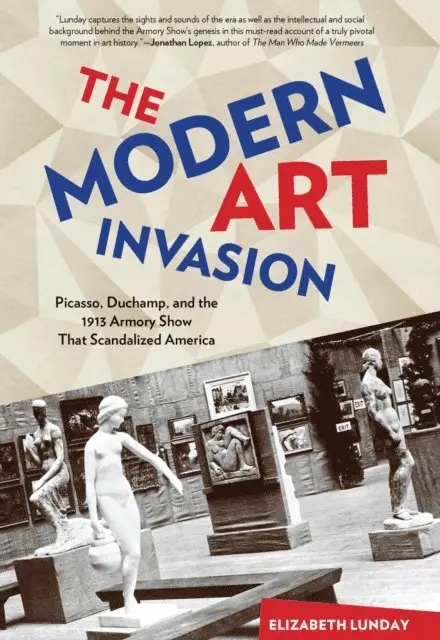
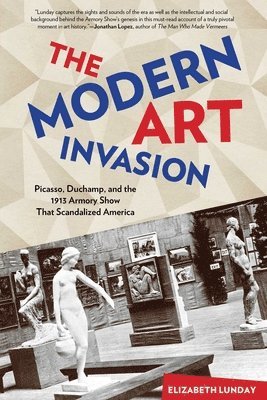
The story of the most important art show in U.S. history. Held at Manhattan’s 69th Regiment Armory in 1913, the show brought modernism to America in an unprecedented display of 1300 works by artists including Picasso, Matisse, and Duchamp, A quarter of a million Americans visited the show; most couldn’t make sense of what they were seeing. Newspaper critics questioned the artists’ sanity. A popular rumor held that the real creator of one abstract canvas was a donkey with its tail dipped in paint.The Armory Show went on to Boston and Chicago and its effects spread across the country. American artists embraced a new spirit of experimentation as conservative art institutions lost all influence. New modern art galleries opened to serve collectors interested in buying the most progressive works. Over time, the stage was set for American revolutionaries such as Jackson Pollock, Mark Rothko, Roy Lichtenstein, and Andy Warhol. Today, when museums of modern and contemporary art dot the nation and New York reigns as art capital of the universe, we live in a world created by the Armory Show.Elizabeth Lunday, author of the breakout hit Secret Lives of Great Artists, tells the story of the exhibition from the perspectives of organizers, contributors, viewers, and critics. Brimming with fascinating and surprising details, the book takes a fast-paced tour of life in America and Europe, peering into Gertrude Stein’s famous Paris salon, sitting in at the fabulous parties of New York socialites, and elbowing through the crowds at the Armory itself.
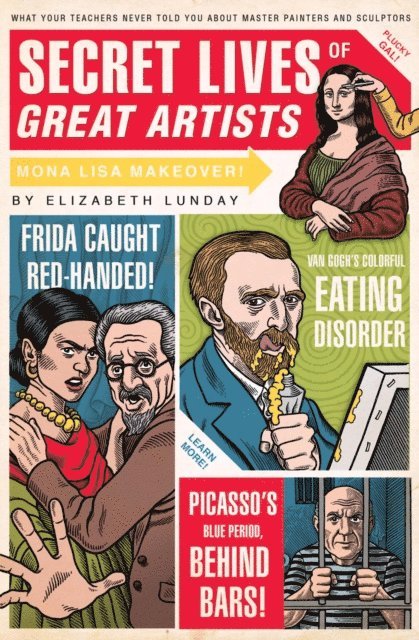
With outrageous anecdotes about everyone from Leonardo Da Vinci to Caravaggio to Edward Hopper, Secret Lives of Great Artists recounts the seamy, steamy and gritty history behind the great masters of international art. Here, you''ll learn that Michelangelo''s body odor was so bad, his assistants couldn''t stand working for him; that Vincent van Gogh sometimes ate paint directly from the tube; and Georgia O''Keeffe loved to paint in the nude. This is one art history lesson you''ll never forget!
With outrageous anecdotes about everyone from Gioachino Rossini (draft-dodging womanizer) to Johann Sebastian Bach (jailbird) to Richard Wagner (alleged cross-dresser), Secret Lives of Great Composers recounts the seamy, steamy, and gritty history behind the great masters of international music. You''ll learn that Edward Elgar dabbled with explosives; that John Cage was obsessed with fungus; that Berlioz plotted murder; and that Giacomo Puccini stole his church''s organ pipes and sold them as scrap metal so he could buy cigarettes. This is one music history lesson you''ll never forget!
The story behind the 1913 Armory Show, the most important art exhibit in U.S. history. Held a century ago, in the winter of 1913, the show brought Modernism to America in an unprecedented display of 1300 works by artists including Picasso, Matisse, and Duchamp. Drawing from primary sources and setting the Armory Show into the context of American culture just before World War I, the book brings the exhibition and its era to vivid life.
In 1910 New York’s art scene was dull and stuck in the past—lagging considerably behind Europe. Before the century reached its midpoint, however, New York would come to dominate the art world. It seemed that in a blink of an eye New York City transformed from provincial backwater to vibrant epicenter of the art world.This incredible transformation was entirely triggered by the Armory Show, the most important art exhibit in U.S. history. Held at Manhattan’s 69th Regiment Armory in 1913, the show brought modernism to America in an unprecedented display of 1300 works by artists including Picasso, Matisse, and Duchamp, A quarter of a million Americans visited the show; most couldn’t make sense of what they were seeing. Newspaper critics questioned the artists’ sanity. A popular rumor held that the real creator of one abstract canvas was a donkey with its tail dipped in paint.The Armory Show went on to Boston and Chicago and its effects spread across the country. American artists embraced a new spirit of experimentation as conservative art institutions lost all influence. New modern art galleries opened to serve collectors interested in buying the most progressive works. Over time, the stage was set for American revolutionaries such as Jackson Pollock, Mark Rothko, Roy Lichtenstein, and Andy Warhol. Today, when museums of modern and contemporary art dot the nation and New York reigns as art capital of the universe, we live in a world created by the Armory Show.Elizabeth Lunday, author of the breakout hit Secret Lives of Great Artists, tells the story of the exhibition from the perspectives of organizers, contributors, viewers, and critics. Brimming with fascinating and surprising details, the book takes a fast-paced tour of life in America and Europe, peering into Gertrude Stein’s famous Paris salon, sitting in at the fabulous parties of New York socialites, and elbowing through the crowds at the Armory itself.