3 771 kr
Skickas inom 10-15 vardagar
3 771 kr
Skickas inom 10-15 vardagar
739 kr
Skickas inom 10-15 vardagar
559 kr
Skickas inom 10-15 vardagar
2 515 kr
Skickas inom 10-15 vardagar
2 526 kr
Skickas inom 10-15 vardagar
710 kr
Skickas inom 10-15 vardagar
727 kr
Läs direkt efter köp
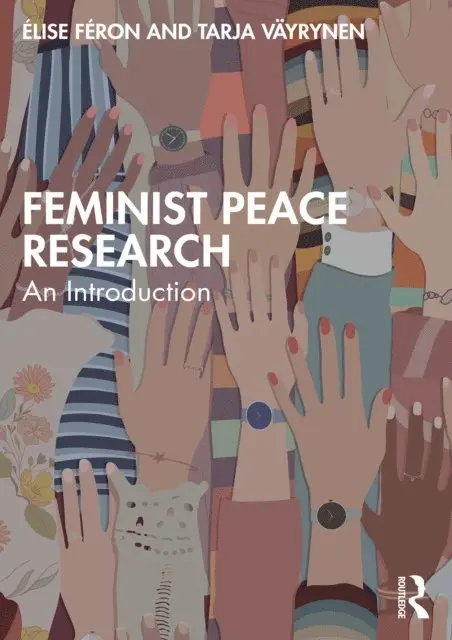
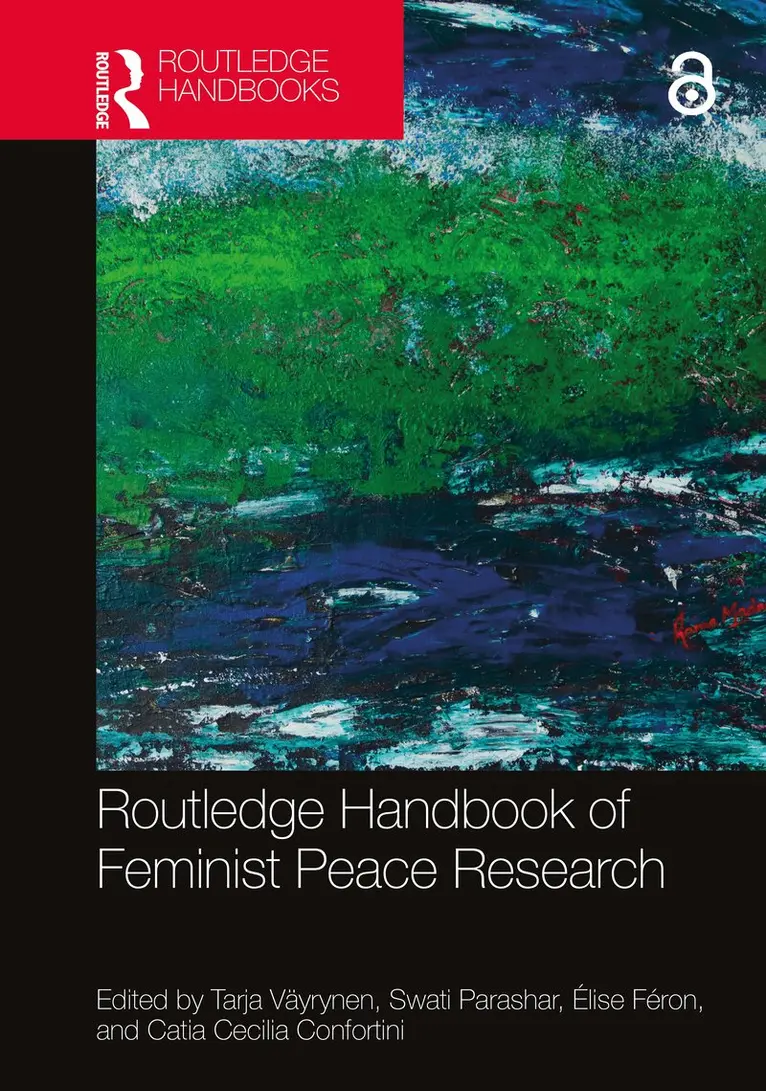
This textbook provides a comprehensive overview of the field of gender, feminism and peace.
It is based on the argument that feminist thinking is necessary to understand and analyse the core issues in peace and conflict studies and is fundamental to thinking about solutions to global problems and to promoting peaceful conflict transformation. The book centres alternative and critical approaches missing in mainstream peace research and brings forward feminist perspectives on traditional peace research topics such as militarism, peacekeeping, arms trade and the articulation of different forms of violence. It also advances critical and alternative issues and topics that traditional peace research has sidelined, including, for example, artificial intelligence, technologies and peace; trauma and memory; human–non-human species relations; art; popular culture; post-colonial and decolonial feminist perspectives; and the queering of war and peace. In sum, this textbook contributes to the visibility of these feminist critical approaches to peace research and makes them accessible to scholars and students interested in the subject.
This book will be of much interest to students of peace studies, feminist theory, gender studies and International Relations.
712 kr
Läs direkt efter köp
This textbook provides a comprehensive overview of the field of gender, feminism and peace.
It is based on the argument that feminist thinking is necessary to understand and analyse the core issues in peace and conflict studies and is fundamental to thinking about solutions to global problems and to promoting peaceful conflict transformation. The book centres alternative and critical approaches missing in mainstream peace research and brings forward feminist perspectives on traditional peace research topics such as militarism, peacekeeping, arms trade and the articulation of different forms of violence. It also advances critical and alternative issues and topics that traditional peace research has sidelined, including, for example, artificial intelligence, technologies and peace; trauma and memory; human–non-human species relations; art; popular culture; post-colonial and decolonial feminist perspectives; and the queering of war and peace. In sum, this textbook contributes to the visibility of these feminist critical approaches to peace research and makes them accessible to scholars and students interested in the subject.
This book will be of much interest to students of peace studies, feminist theory, gender studies and International Relations.
831 kr
Läs direkt efter köp
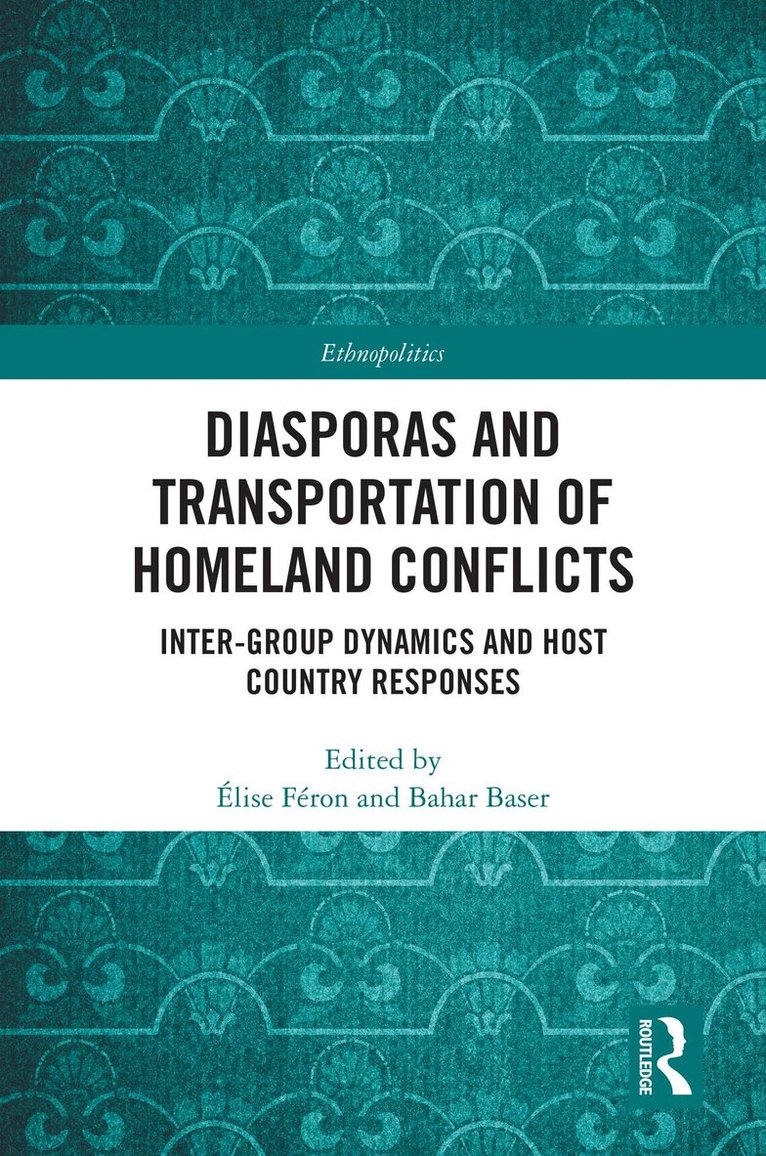
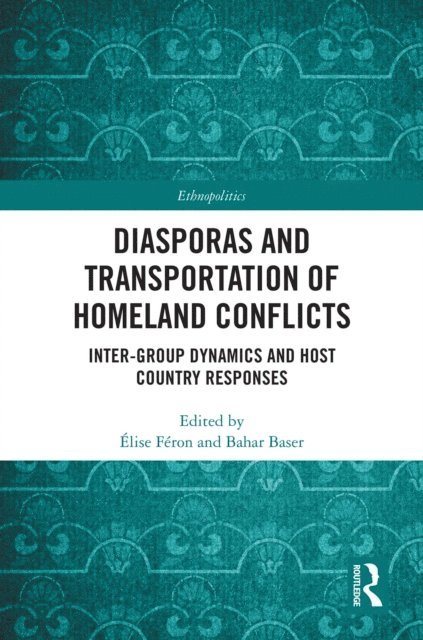
This book explores the transformation and reinvention of conflict-generated diaspora groups’ politics in countries of residence. Numerous narratives link diasporas and conflicts: diasporas are seen alternatively as peace wreckers or peace makers, as products of forced migration related to conflicts, or as targets of securitization policies. “Transported conflicts” occurring within and between diasporas in their countries of residence, however, remain relatively underexplored, tend to be misunderstood, and often associated with “criminal” or “terrorist” activities.
The chapters in this volume draw our attention to various interconnected temporalities explaining patterns of conflict transportation, such as the temps long of diasporic mobilisation, the here and now of what is happening in both host and home countries, and micro-temporalities and diasporans’ life trajectories. Finally, the contributions demonstrate that patterns, shapes and even occurrence of conflict transportation vary according to scale and space. Highly politicized forms of confrontation are not necessarily representative of everyday interactions between diaspora groups, which can entail discrete but tangible forms of cooperation and even solidarity. This edited volume calls for nuancing our approach to the links between diasporas and conflicts, to avoid falling into the essentialisation trap.
The chapters in this book were originally published in Ethnopolitics.
826 kr
Läs direkt efter köp
This book explores the transformation and reinvention of conflict-generated diaspora groups’ politics in countries of residence. Numerous narratives link diasporas and conflicts: diasporas are seen alternatively as peace wreckers or peace makers, as products of forced migration related to conflicts, or as targets of securitization policies. “Transported conflicts” occurring within and between diasporas in their countries of residence, however, remain relatively underexplored, tend to be misunderstood, and often associated with “criminal” or “terrorist” activities.
The chapters in this volume draw our attention to various interconnected temporalities explaining patterns of conflict transportation, such as the temps long of diasporic mobilisation, the here and now of what is happening in both host and home countries, and micro-temporalities and diasporans’ life trajectories. Finally, the contributions demonstrate that patterns, shapes and even occurrence of conflict transportation vary according to scale and space. Highly politicized forms of confrontation are not necessarily representative of everyday interactions between diaspora groups, which can entail discrete but tangible forms of cooperation and even solidarity. This edited volume calls for nuancing our approach to the links between diasporas and conflicts, to avoid falling into the essentialisation trap.
The chapters in this book were originally published in Ethnopolitics.
1 203 kr
Kommande
429 kr
Kommande
1 705 kr
Skickas inom 10-15 vardagar
573 kr
Skickas inom 10-15 vardagar
624 kr
Läs direkt efter köp
1 384 kr
Skickas inom 3-6 vardagar